The Role of Zinc Fluorosilicate in Steel and Concrete Structures
2024-10-10
Zinc fluorosilicate (ZnSiF6) is a versatile compound that plays a crucial role in enhancing the durability and longevity of steel and concrete structures.
This article delves into the reasons for its application and the mechanisms through which it provides protection against corrosion.
Understanding Zinc Fluorosilicate
Zinc fluorosilicate is a chemical compound formed by the reaction of zinc oxide with hydrofluoric acid and silica. It is known for its solubility in water, making
it suitable for various applications, particularly in construction and materials science. Its unique properties allow it to serve as an effective corrosion inhibitor.

The Importance of Corrosion Protection
Corrosion poses a significant threat to steel and concrete structures, leading to structural degradation, safety hazards, and costly repairs. In steel structures,
rust formation compromises integrity, while in concrete, the corrosion of embedded steel reinforcement can weaken the entire structure. Thus, effective corrosion
protection is paramount in construction.
Why Use Zinc Fluorosilicate?
1、Corrosion Inhibition: Zinc fluorosilicate acts as a cathodic protector. When applied to steel, it creates a protective barrier that reduces the rate of corrosion.
The zinc ions form a stable layer that prevents moisture and oxygen from reaching the steel surface.
2、Compatibility with Concrete: In concrete applications, zinc fluorosilicate integrates well with the matrix, enhancing the physical and chemical properties of the concrete.
It improves resistance to chemical attacks and enhances the adhesion of paints and coatings.
3、Environmental Considerations: Unlike some traditional corrosion inhibitors that may be harmful to the environment, zinc fluorosilicate is less toxic and presents a safer
alternative for construction projects.
Application Methods
The application of zinc fluorosilicate can be conducted through various methods, depending on the specific requirements of the project:
1、Surface Treatment: Steel surfaces can be treated with a solution of zinc fluorosilicate before painting or coating. This method ensures that the protective layer
adheres effectively, prolonging the life of the coating.
2、Incorporation into Concrete Mix: For concrete structures, zinc fluorosilicate can be mixed into the concrete during the batching process. This incorporation allows
for uniform distribution of the inhibitor throughout the concrete, enhancing its overall durability.
3、Post-Treatment: Existing structures can be retrofitted with zinc fluorosilicate treatments. This involves cleaning the surface and applying a solution or slurry of the
compound, which then forms a protective layer.
Several case studies highlight the successful application of zinc fluorosilicate in protecting steel and concrete structures:
● Bridges: Many bridges have adopted zinc fluorosilicate treatments to extend their lifespan. For example, a major highway bridge was treated with a zinc fluorosilicate-based
coating, resulting in a significant reduction in maintenance costs and increased service life.

● Industrial Facilities: In industrial environments where corrosion is prevalent due to chemical exposure, steel structures treated with zinc fluorosilicate have shown improved
performance and reduced downtime for repairs.
Zinc fluorosilicate is a powerful ally in the fight against corrosion in steel and concrete structures. Its ability to inhibit rust formation, compatibility with construction materials,
and environmental advantages make it a valuable choice for modern construction practices. As the industry continues to seek sustainable and effective solutions, zinc fluorosilicate's
role will likely expand, ensuring safer and longer-lasting structures.
The Role of Ammonium Fluoride in Aluminum Surface Passivation: Enhancing Corrosion Resistance
How and Why Fluorosilicic Acid (H₂SiF₆) is Used in Fertilizer Production
Related Article
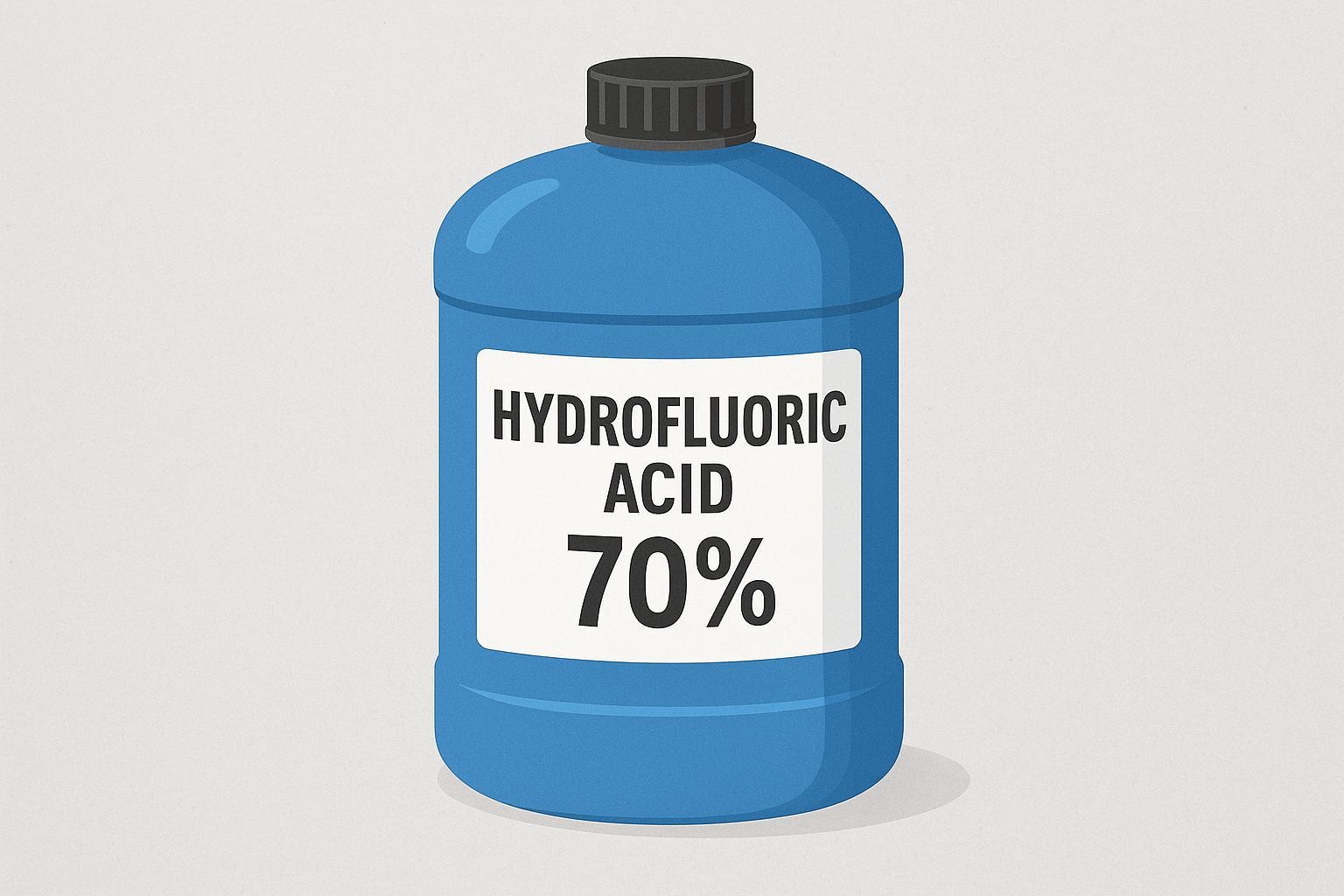
Discover why 70% hydrofluoric acid is preferred globally — balancing reactivity, safety, and cost-efficiency for glass, metal, and semiconductor industries.
Why International Buyers Prefer Purchasing Hydrofluoric Acid with 70% Concentration

FSSF Chemical leads you to discover the industrial uses of fluoroboric acid (HBF₄), including applications in electroplating, metal cleaning, catalysis, pharmaceuticals, and battery technology.
The Comprehensive Industrial Applications of Fluoroboric Acid (HBF4)