Why Ammonium fluoroborate can be as an Essential Electrolyte
2024-04-27
Ammonium fluoroborate, also known as NH4BF4, stands as a pivotal compound in the realm of electrochemistry due to its remarkable properties
as an electrolyte. This versatile inorganic compound finds application across various industries, facilitating crucial electrochemical processes.
Let's delve into the intricacies of why it serves as an electrolyte, explore its wide array of applications, and elucidate how it is applied in practical scenarios.
The Science Behind Ammonium Fluoroborate:
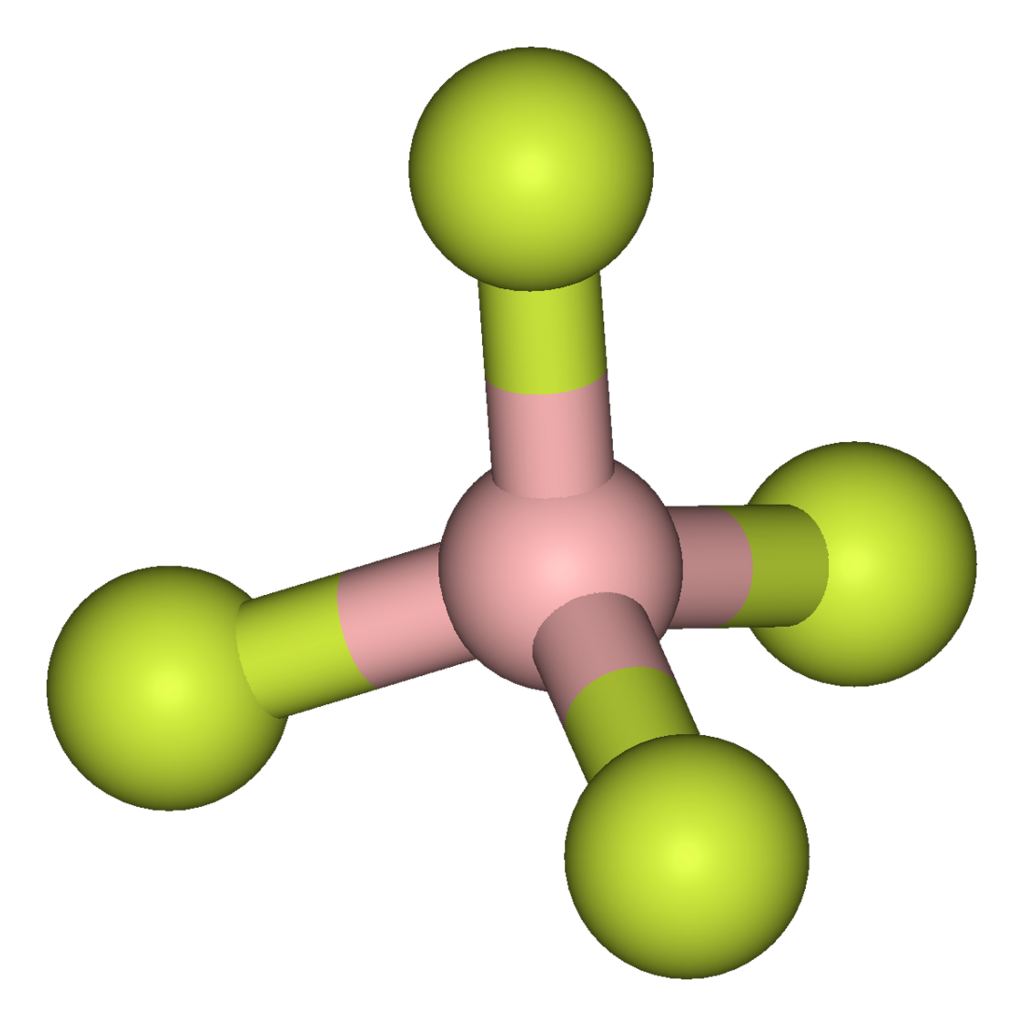
At its core, fluoroboric acid ammonium is comprised of ammonium ions (NH4+) and fluoroborate ions (BF4-). This compound possesses high solubility
in water, allowing for the creation of conductive solutions suitable for electrochemical applications. Its ability to dissociate into ions renders it an efficient
electrolyte, facilitating the flow of electrical current during electrolysis.
Applications of Ammonium Fluoroborate:
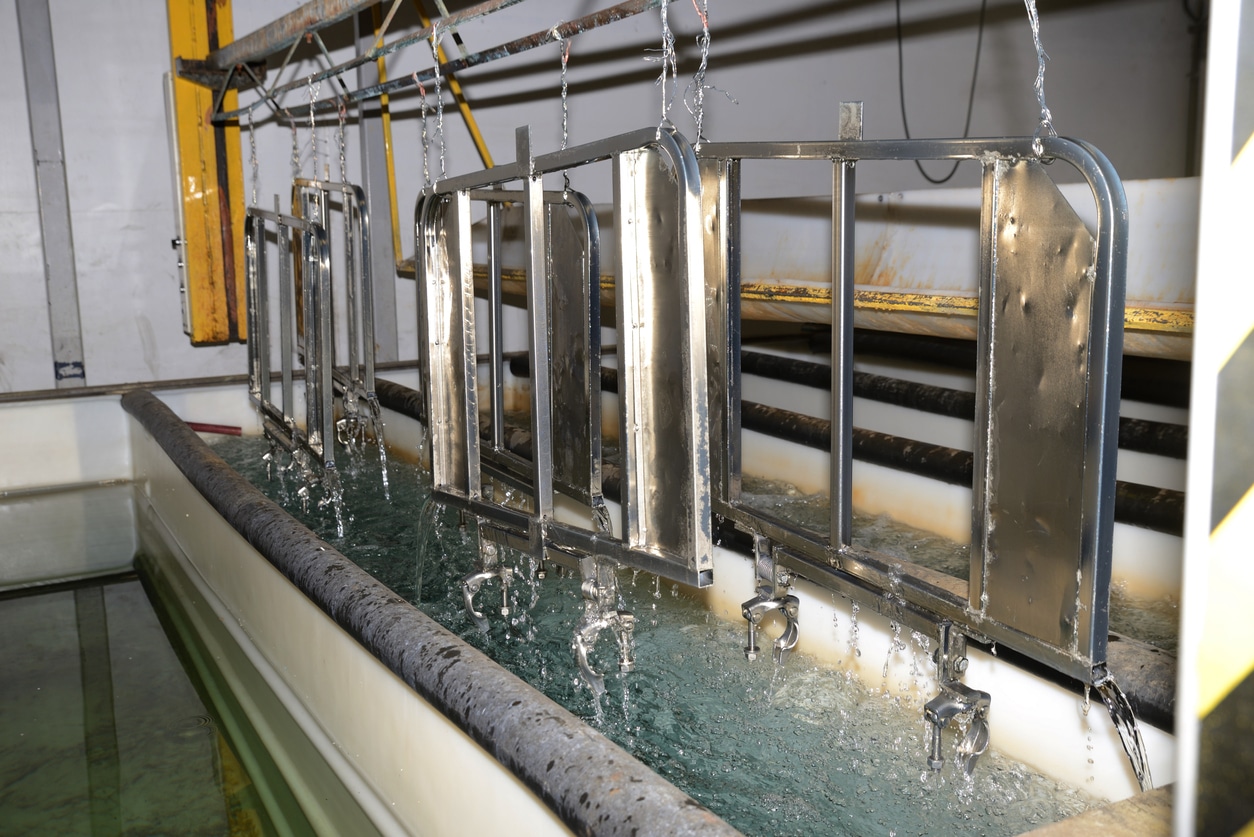
1. Electroplating: One of the primary applications of ammonium fluoroborate lies in electroplating processes. As an electrolyte, it enables the deposition
of metal coatings onto various substrates. It finds extensive use in silver, nickel, and copper electroplating, where it promotes the formation of uniform and
adherent metal layers.
2. Electrochemical Etching: Ammonium fluoroborate is employed in electrochemical etching processes, where it serves as an electrolyte for selectively
removing material from metal surfaces. This technique is utilized in artistic and industrial contexts for surface finishing, engraving, and creating intricate designs
or patterns.
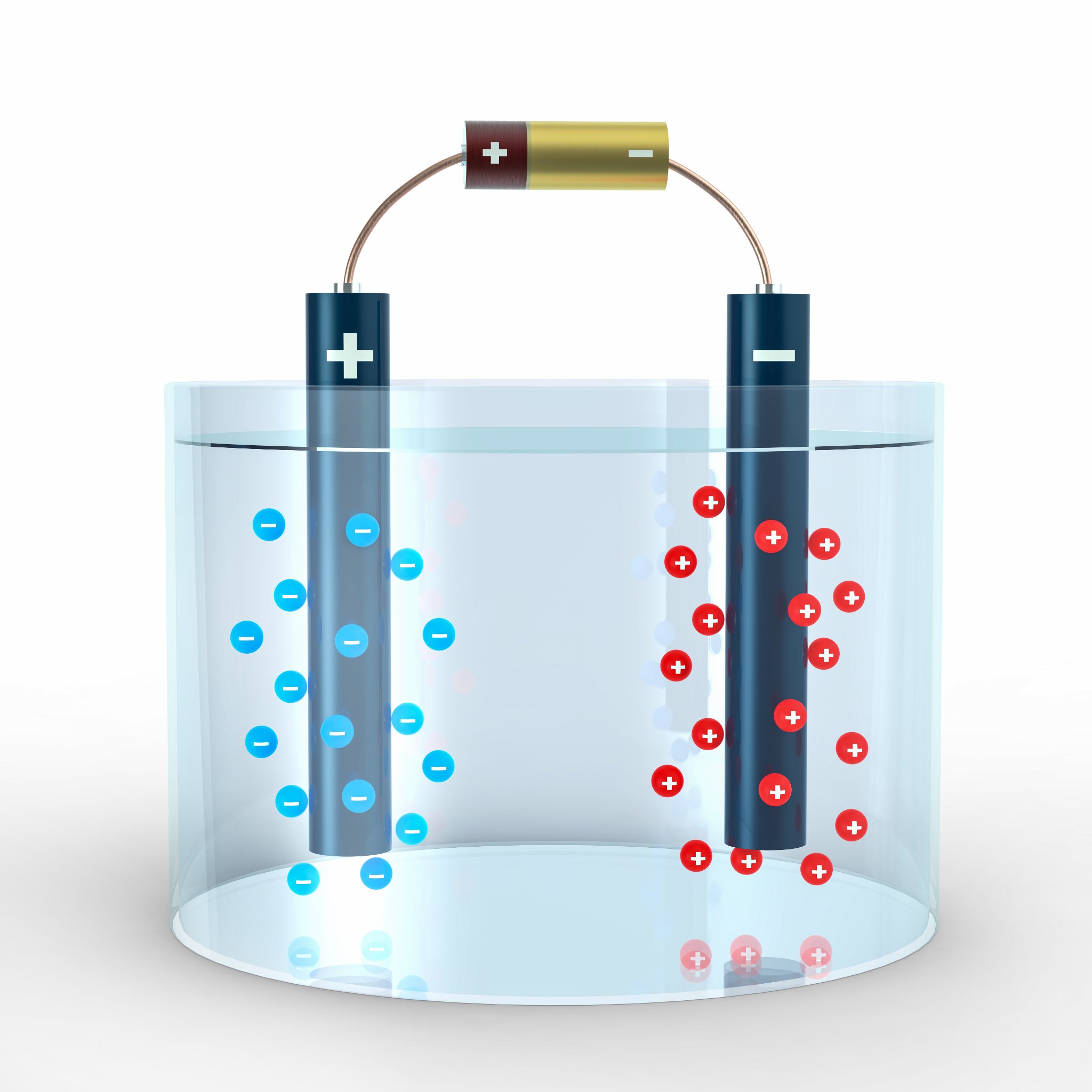
3. Electrolysis: In laboratory settings and industrial applications, ammonium fluoroborate serves as an electrolyte for electrolysis processes. It facilitates the
separation of specific compounds or ions from solution through the application of an electric current. This property is utilized in various purification and extraction procedures.
4. Electrolytic Capacitors: Ammonium fluoroborate is also used in the production of electrolytic capacitors, where it serves as an electrolyte in the capacitor's
electrolyte solution. It contributes to the device's electrical conductivity and stability, enhancing its performance in electronic circuits.
How Ammonium Fluoroborate is Applied:
The application of ammonium fluoroborate typically involves preparing a solution of the compound in water to achieve the desired concentration. This solution
is then utilized as an electrolyte in electrochemical cells or baths, where it facilitates the desired electrochemical reactions. The parameters of the electrolysis
process, such as voltage, current density, and temperature, are carefully controlled to optimize performance and ensure the desired outcomes.
In electroplating applications, substrates are immersed in the electrolyte solution alongside the electrode of the metal to be deposited. Upon the application of
an electric current, metal ions are reduced at the substrate surface, forming a metallic coating. Similarly, in electrolytic etching and electrolysis processes,
the workpiece serves as one of the electrodes, with material removal or ion migration occurring at the electrode-electrolyte interface under the influence of the applied current.
In summary, ammonium fluoroborate's versatility as an electrolyte stems from its ability to conduct electricity when dissolved in water. Its applications span across
electroplating, electrolysis, electrochemical etching, and the production of electrolytic capacitors, where it enables essential processes vital to various industries.
By understanding its properties and applications, we appreciate the significant role ammonium fluoroborate plays in advancing electrochemical technologies and
processes worldwide.
Why Magnesium Fluoride can be as a Spectroscopic Reagent
How is Fluorosilicic Acid used in Corrosion Protection
Related Article
Discover why 70% hydrofluoric acid is preferred globally — balancing reactivity, safety, and cost-efficiency for glass, metal, and semiconductor industries.
Why International Buyers Prefer Purchasing Hydrofluoric Acid with 70% Concentration

FSSF Chemical leads you to discover the industrial uses of fluoroboric acid (HBF₄), including applications in electroplating, metal cleaning, catalysis, pharmaceuticals, and battery technology.
The Comprehensive Industrial Applications of Fluoroboric Acid (HBF4)