Why Aluminum Fluoride Can be Used in Ceramics Industry
2024-06-05
Aluminum fluoride (AlF₃) has emerged as a significant component in various industrial applications, particularly in the ceramics industry.
This article explores the reasons behind its usage, delving into the chemical and physical properties that make AlF₃ an invaluable additive.
The ceramics industry, which encompasses a broad range of products from tableware to advanced engineering components, benefits greatly
from the unique characteristics of aluminum fluoride.

Chemical Properties of Aluminum Fluoride
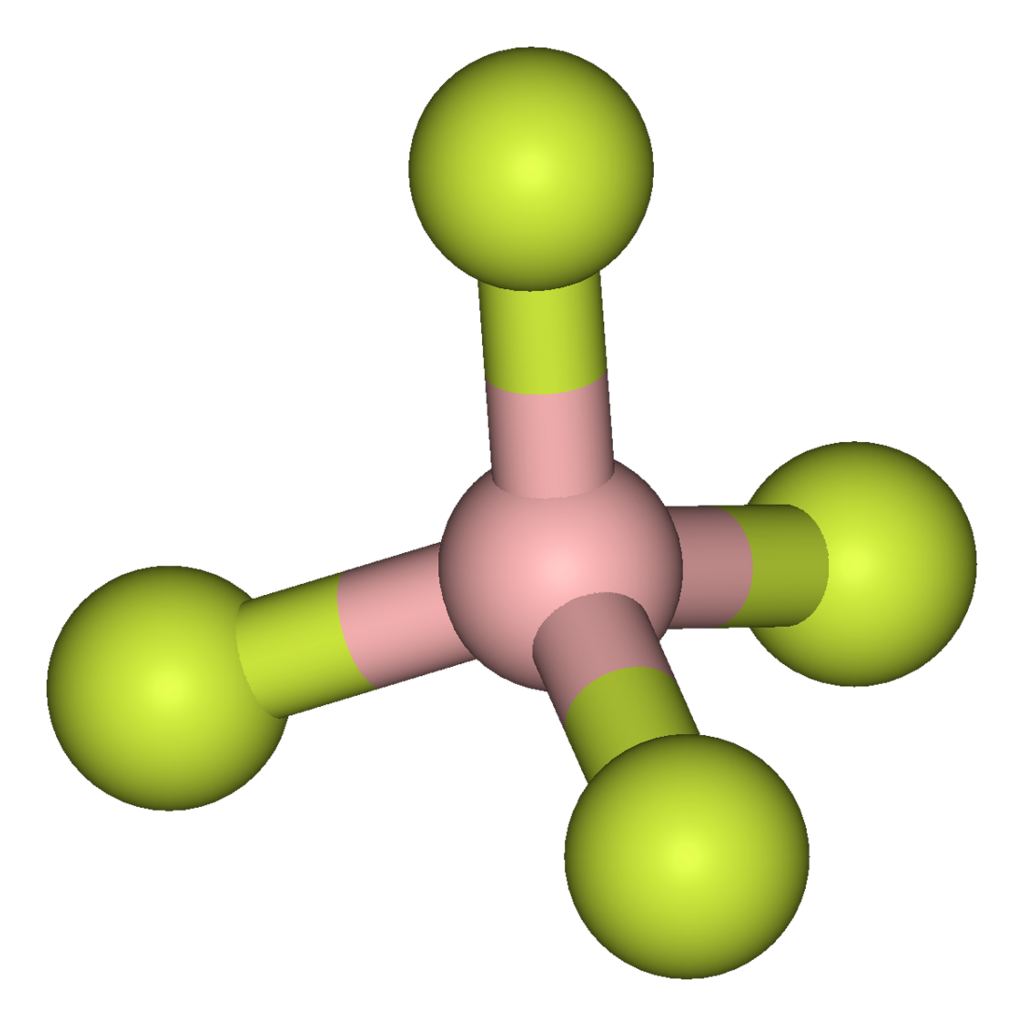
Aluminum fluoride is an inorganic compound with the formula AlF3. It is typically found in the form of a white powder or crystalline solid. The compound
is highly stable and exhibits a high melting point of around 1291°C, making it suitable for high-temperature processes. Its chemical stability and resistance
to hydrolysis under standard conditions are crucial for maintaining the integrity of ceramic materials during manufacturing and use.
One of the key properties of AlF3 is its ability to act as a flux in ceramic glazes and bodies. Fluxes are substances that lower the melting point of silica,
the primary component of most ceramic materials. By incorporating AlF₃ into ceramic formulations, manufacturers can achieve a lower melting temperature,
which facilitates the sintering process. This not only reduces energy consumption but also enhances the mechanical properties of the final product by promoting
a more uniform and dense microstructure.
Influence on Mechanical Properties
The incorporation of aluminum fluoride into ceramic materials significantly improves their mechanical properties. One of the primary benefits is the enhancement
of the material's strength and toughness. During the sintering process, AlF₃ helps to create a more homogeneous microstructure with fewer defects such as pores
and microcracks. This results in ceramics that are less brittle and more resistant to mechanical stress.
Additionally, aluminum fluoride can improve the thermal shock resistance of ceramics. Thermal shock resistance is the ability of a material to withstand
rapid temperature changes without cracking. AlF₃ contributes to this property by enhancing the material's thermal expansion characteristics and reducing
the likelihood of stress concentration points within the ceramic body. This makes AlF₃-containing ceramics ideal for applications where they will be exposed
to fluctuating temperatures, such as in kilns, furnaces, and various industrial heating elements.
Enhancement of Optical Properties
In certain specialized ceramics, optical properties are of paramount importance. Aluminum fluoride is particularly beneficial in the production of optical ceramics
due to its low refractive index and ability to form transparent or translucent materials. When used in glazes or as a doping agent, AlF₃ can enhance the transparency
and brightness of ceramic products.
This is particularly valuable in the manufacture of items such as high-quality tableware, decorative tiles, and advanced optical components. For example, in the field
of telecommunications, ceramic waveguides and substrates that incorporate AlF₃ can exhibit superior performance due to their enhanced optical clarity and reduced
signal loss.
Chemical Durability and Corrosion Resistance
Aluminum fluoride also imparts chemical durability and corrosion resistance to ceramic materials. This is especially important in applications where the ceramics will
be exposed to harsh chemical environments, such as in chemical processing equipment, laboratory ware, and tiles used in aggressive atmospheres.
The presence of AlF₃ in the ceramic matrix helps to create a chemically inert surface that resists attack from acids, bases, and other corrosive substances. This prolongs
the lifespan of the ceramic products and maintains their functionality and aesthetic appearance over time.
Surface Quality and Aesthetic Enhancements
In the realm of decorative ceramics, the aesthetic quality of the final product is a critical consideration. Aluminum fluoride contributes to this aspect by enhancing the
glaze properties, resulting in smoother, shinier, and more vibrant finishes. AlF₃ promotes the development of a uniform glaze layer that adheres well to the ceramic body,
reducing issues such as pinholing, crawling, or crazing.
Furthermore, AlF₃ can act as a matting agent in glazes, providing a range of surface finishes from glossy to matte. This versatility allows ceramic artists and manufacturers
to achieve specific visual effects and textures, catering to diverse consumer preferences and market trends.
Role in Advanced Ceramic Composites
In advanced ceramics, particularly those used in high-tech and engineering applications, the role of aluminum fluoride extends beyond traditional uses. AlF₃ is often
incorporated into composite materials to improve their performance characteristics. For example, in ceramic matrix composites (CMCs), which are used in aerospace,
defense, and automotive industries, aluminum fluoride can enhance the composite's mechanical strength, thermal stability, and wear resistance.

In these composites, AlF₃ acts as a sintering aid, facilitating the densification process and improving the bonding between the ceramic matrix and the reinforcing fibers.
This results in materials that are not only stronger and more durable but also capable of operating under extreme conditions.
The multifaceted advantages of aluminum fluoride (AlF₃) underscore its essential role in the ceramics industry. From its ability to lower melting points and enhance mechanical
properties to its contributions to optical clarity and chemical durability, AlF₃ proves to be an invaluable additive. Its incorporation into both traditional and advanced ceramic
formulations not only optimizes manufacturing processes but also significantly improves the quality and performance of the final products. As the ceramics industry continues
to evolve, the unique properties of aluminum fluoride will undoubtedly remain a cornerstone in the development of innovative and high-performing ceramic materials.
The multifaceted advantages of aluminum fluoride (AlF₃) underscore its essential role in the ceramics industry. From its ability to lower melting points and enhance mechanical
properties to its contributions to optical clarity and chemical durability, AlF₃ proves to be an invaluable additive. Its incorporation into both traditional and advanced ceramic formulations
not only optimizes manufacturing processes but also significantly improves the quality and performance of the final products. As the ceramics industry continues to evolve, the unique
properties of aluminum fluoride will undoubtedly remain a cornerstone in the development of innovative and high-performing ceramic materials.
Why Hydrofluoric Acid is Effective in the Stainless Steel Industry
Zinc Fluoride in Wood Preservation
Related Article
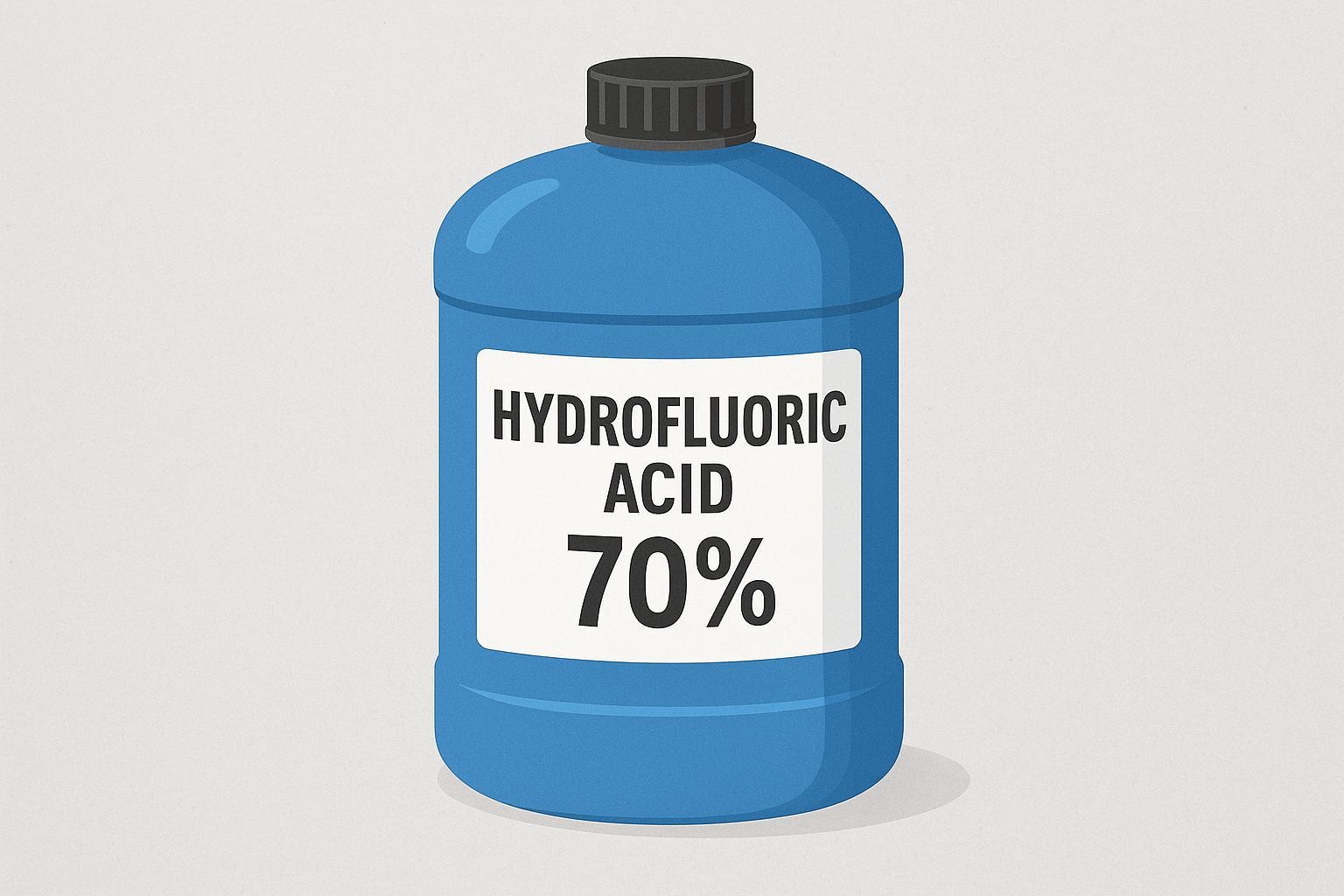
Discover why 70% hydrofluoric acid is preferred globally — balancing reactivity, safety, and cost-efficiency for glass, metal, and semiconductor industries.
Why International Buyers Prefer Purchasing Hydrofluoric Acid with 70% Concentration
FSSF Chemical leads you to discover the industrial uses of fluoroboric acid (HBF₄), including applications in electroplating, metal cleaning, catalysis, pharmaceuticals, and battery technology.
The Comprehensive Industrial Applications of Fluoroboric Acid (HBF4)