The Vital Contribution of Sodium Bifluoride in Electrolytic Processes
2024-01-09
In contemporary industrial processes, the preparation of metal alloys is a pivotal undertaking, with electrolytic manganese metal (EMM) production
standing out as a fundamental procedure. This intricate process involves complex electrochemical reactions and necessitates the use of appropriate
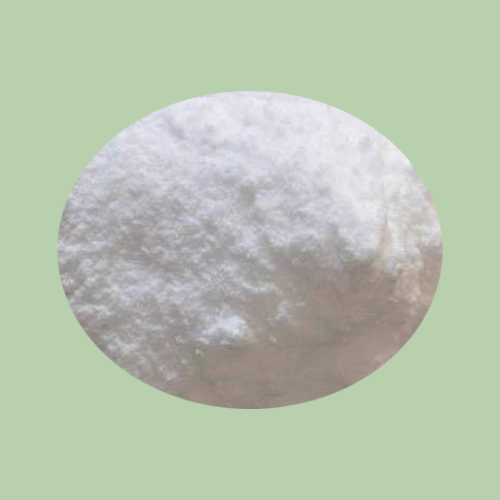
fluxes to sustain elevated temperatures and facilitate reactions. Sodium bifluoride (NaHF2) assumes a pivotal role, serving both as a solvent and flux,
proving to be an indispensable ally in the production of electrolytic manganese metal.
Fundamental Principles of Electrolytic Ferrosilicon Production
Let's explore the fundamental principles underlying the electrolytic production of ferrosilicon. The procedure initiates with the identification and conditioning
of ferrosilicon ore, characterized by a substantial presence of silicon and iron. These primary ingredients are combined and introduced into an electrolytic cell.
Inside the cell, an electrical current triggers electrolytic reduction, transforming the silicon oxide in ferrosilicon ore into ferrosilicon alloy. This intricate procedure
necessitates a molten mixture at high temperatures, with sodium bifluoride playing a pivotal role in precisely orchestrating this challenging process.
The Flux Dynamics of Sodium Bifluoride
Sodium bifluoride's role in electrolytic ferrosilicon production predominantly manifests in its flux dynamics. Let's explore how sodium bifluoride exerts its influential flux properties:
1、Reducing Melting Point,Improving Fluidity:
By incorporating sodium bifluoride, the melting point of the reaction mixture is decreased. At elevated temperatures, the ferrosilicon ore and other raw materials
require melting for the electrolytic reaction to take place. Functioning as a flux, sodium bifluoride enables the creation of a molten mixture with a lower melting point,
thereby improving the fluidity of the reactants and fostering a more seamless electrolytic reaction.
2、Sustaining Fluidity, Facilitating Reactions:
The role of sodium bifluoride is pivotal in maintaining the fluidity of the reaction system through the creation of a molten mixture. This is essential to ensure that
the mixture in the electrolytic cell remains in a fluid state within the required temperature range. Enhanced fluidity facilitates uniform reactions,
leading to the production of high-quality ferrosilicon alloy.
3、Emission of Hydrogen Fluoride Gas and Supplementary Fluxing:
Under elevated temperatures, sodium bifluoride undergoes decomposition, yielding hydrogen fluoride gas and alkali metal fluorides.
The resulting hydrogen fluoride gas occasionally serves as an extra flux, providing additional heat to accelerate reactions. The released
hydrogen fluoride gas might engage in concurrent chemical reactions, thereby influencing the overall kinetics of the electrolytic process.
4、Fine-Tuning Reaction Parameters, Enhancing Production Efficiency:
Incorporating sodium bifluoride facilitates the fine-tuning of the chemical environment within the reaction system, impacting the rate and
effectiveness of the electrolytic reaction. Meticulous control over the quantity of sodium bifluoride empowers enhanced process supervision,
ultimately optimizing production efficiency and increasing yield.
In brief, sodium bifluoride holds a pivotal position in the electrolytic manufacturing of ferrosilicon, serving as both the primary flux and an
additional flux. It establishes optimal production conditions for this indispensable metallurgical process. With its distinctive attributes at
elevated temperatures, sodium bifluoride emerges as an ideal catalyst, ensuring dependable assistance in the production of high-quality
ferrosilicon alloy.
Fluozirconic Acid: Pioneering a Coating Revolution for Tomorrow's Industries
Ammonium Fluoroborate: Empowering Resin Coatings
Related Article
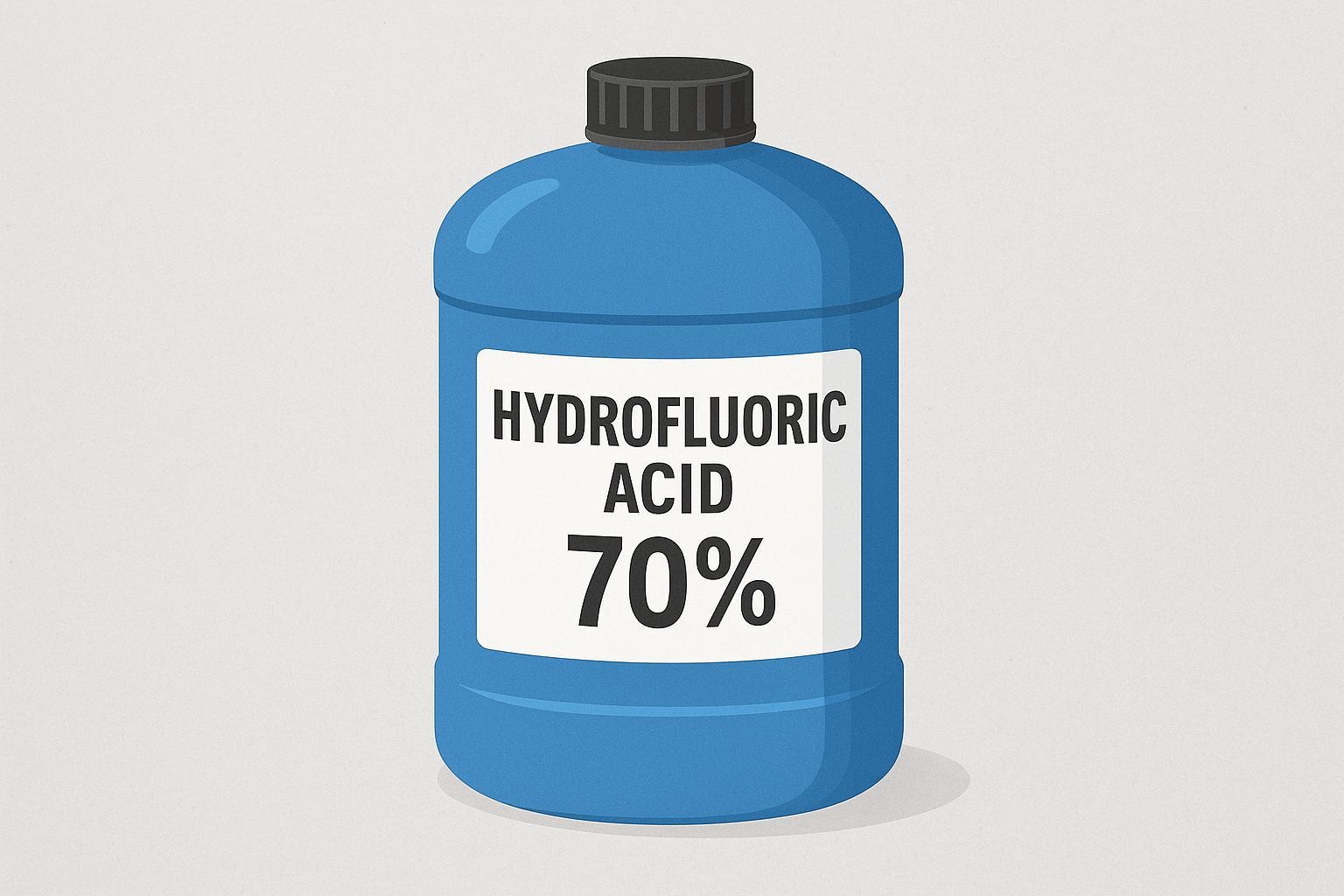
Discover why 70% hydrofluoric acid is preferred globally — balancing reactivity, safety, and cost-efficiency for glass, metal, and semiconductor industries.
Why International Buyers Prefer Purchasing Hydrofluoric Acid with 70% Concentration

FSSF Chemical leads you to discover the industrial uses of fluoroboric acid (HBF₄), including applications in electroplating, metal cleaning, catalysis, pharmaceuticals, and battery technology.
The Comprehensive Industrial Applications of Fluoroboric Acid (HBF4)