The Versatile Role of Fluoroboric Acid in Agricultural Chemicals
2023-09-04
In the world of agriculture, the quest for innovative solutions to boost crop yields, improve plant health,
and reduce environmental impact never ceases. One such innovation comes from the realm of chemistry,
where Fluoroboric Acid, a powerful and versatile compound, has found applications in various agricultural chemicals.
In this article, we will explore the significance of Fluoroboric Acid in agriculture, its properties, and the numerous ways
it benefits farmers and the environment.
What is Fluoroboric Acid?
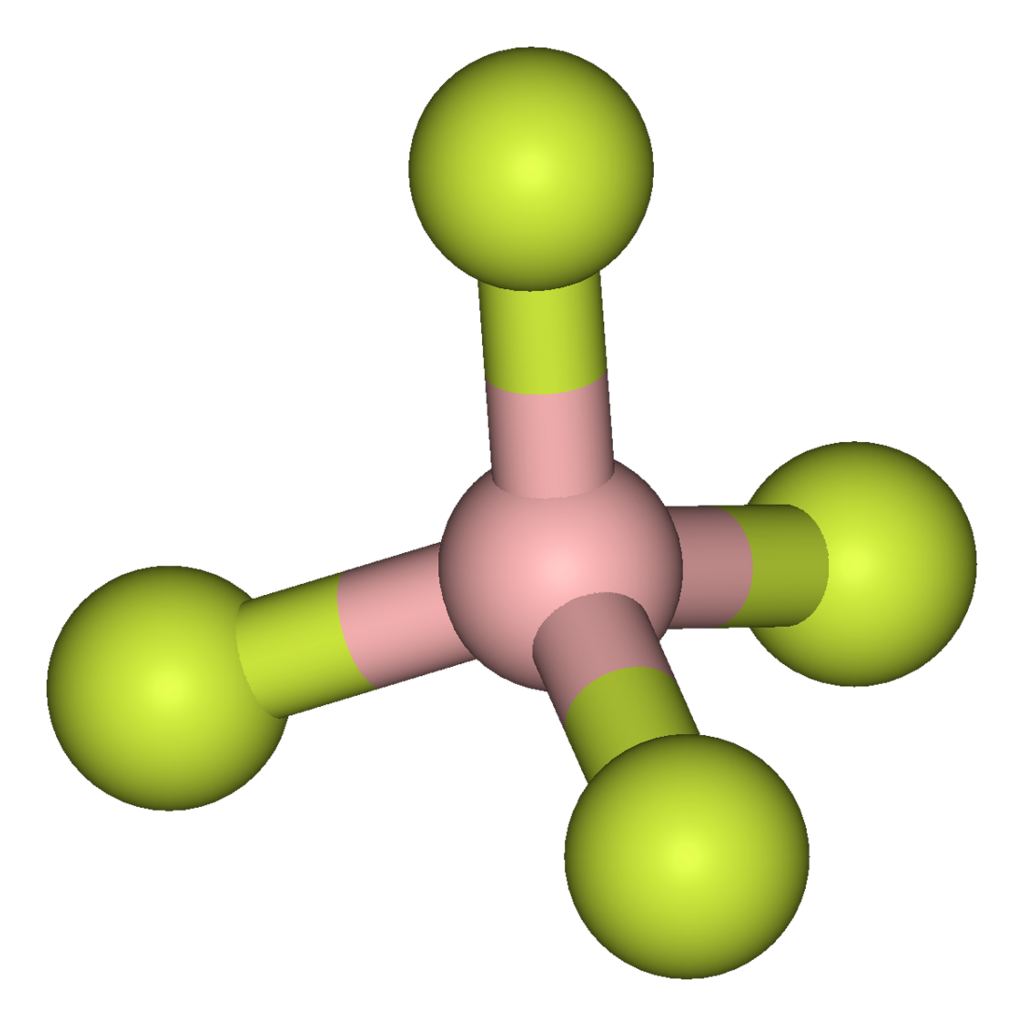
Fluoroboric Acid, with the chemical formula HBF4, is a strong inorganic acid. It is a colorless, highly corrosive liquid that
forms when boron trifluoride (BF3) reacts with water. Although it may sound like a hazardous substance, its controlled use
has proven invaluable in agriculture.

The Role of Fluoroboric Acid in Fertilizers
One of the most prominent applications of Fluoroboric Acid in agriculture is in the production of fertilizers. Fertilizers are essential
for replenishing soil nutrients, promoting plant growth, and ultimately increasing crop yields. Fluoroboric Acid contributes to this
process by aiding in the production of two key types of fertilizers: boron-containing fertilizers and slow-release fertilizers.
1、Boron-Containing Fertilizers
Boron is an essential micronutrient for plant growth, and its deficiency can lead to decreased crop quality and yield. Fluoroboric Acid
serves as a source of boron in the production of boron-containing fertilizers. These fertilizers ensure that crops receive an adequate
supply of this vital element, which is crucial for flowering, fruiting, and overall plant health.
2、Slow-Release Fertilizers
Traditional fertilizers can sometimes lead to nutrient leaching, where excess nutrients wash away into groundwater, causing environmental
issues. To combat this problem, slow-release fertilizers have gained popularity. Fluoroboric Acid plays a role in their production by facilitating
the controlled release of nutrients over an extended period. This not only enhances nutrient uptake by plants but also reduces the risk of
environmental contamination.

The Pesticide Connection
Fluoroboric Acid's contributions to agriculture go beyond fertilizers. It is also employed in the formulation of certain pesticides.
Pesticides are essential for protecting crops from harmful insects, diseases, and weeds. By incorporating Fluoroboric Acid into
pesticide formulations, scientists can enhance the effectiveness and stability of these agricultural chemicals.
1、Pesticide Stabilization
Fluoroboric Acid acts as a stabilizing agent in pesticide formulations. It helps maintain the chemical integrity of pesticides,
preventing their decomposition and ensuring they remain effective over time. This extended shelf life is a significant benefit for
farmers, as it reduces the need for frequent pesticide purchases and applications.
2、Enhanced Pesticide Performance
Pesticides formulated with Fluoroboric Acid often exhibit improved performance. They can adhere better to plant surfaces,
resist wash-off by rain or irrigation, and provide longer-lasting protection. This means fewer pesticide applications are needed,
reducing both costs and the environmental impact of pesticide use.
Environmental Benefits
While the use of Fluoroboric Acid in agricultural chemicals directly benefits crop production, it also has positive environmental implications.
1、Reduced Nutrient Runoff
The controlled release of nutrients from slow-release fertilizers, facilitated by Fluoroboric Acid, helps mitigate nutrient runoff.
This reduces the risk of water pollution and the harmful effects it can have on aquatic ecosystems.
2、Lower Pesticide Residue Levels
Enhanced pesticide performance means that lower quantities of pesticides are required for effective pest control.
This, in turn, leads to reduced pesticide residue levels on harvested crops, promoting food safety.

Fluoroboric Acid, a chemical with a wide range of applications in agriculture, plays a crucial role in improving crop yields,
enhancing plant health, and reducing the environmental impact of farming practices. From its contributions to fertilizers
to its role in stabilizing and enhancing pesticides, Fluoroboric Acid stands as a valuable tool in the quest for sustainable
and productive agriculture. As researchers continue to explore its potential, we can anticipate even more innovative uses
of this versatile compound in the agricultural sector.
The Pharmaceutical Applications of Sodium Fluoride
Powering Up: The Sparkling Role of Sodium Fluoride in Battery Innovations
Related Article
Discover why 70% hydrofluoric acid is preferred globally — balancing reactivity, safety, and cost-efficiency for glass, metal, and semiconductor industries.
Why International Buyers Prefer Purchasing Hydrofluoric Acid with 70% Concentration

FSSF Chemical leads you to discover the industrial uses of fluoroboric acid (HBF₄), including applications in electroplating, metal cleaning, catalysis, pharmaceuticals, and battery technology.
The Comprehensive Industrial Applications of Fluoroboric Acid (HBF4)