The Versatile Application of Aluminum Fluoride in Ceramic Industry
2024-03-19
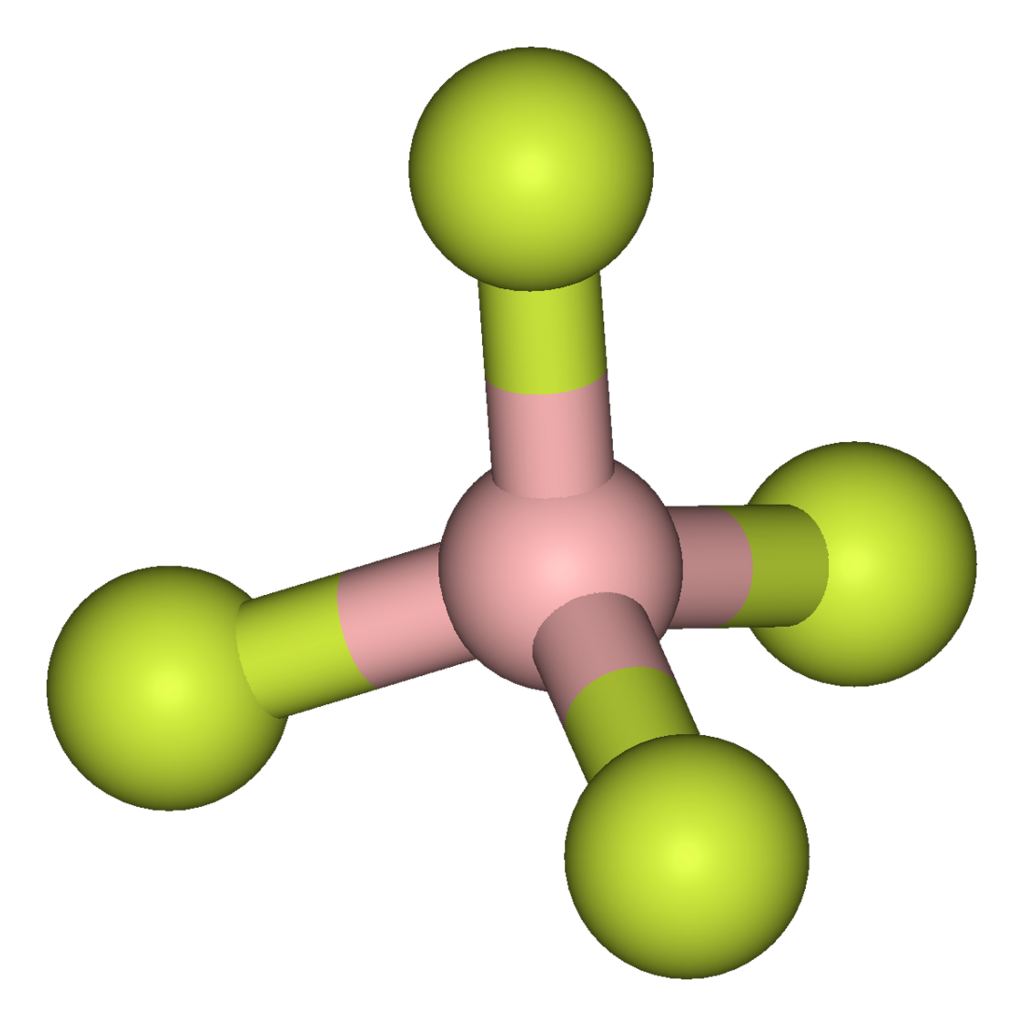
Aluminum fluoride (AlF3), known for its versatile properties, finds widespread application in the ceramic industry
as both a glaze and pigment additive. This article explores the unique characteristics of aluminum fluoride that
make it a preferred choice in ceramic production processes, delving into its specific applications and highlighting
its significance in enhancing ceramic aesthetics and performance.
Introduction to Aluminum Fluoride:
Aluminum fluoride is a compound composed of aluminum and fluorine atoms. It possesses several properties that
make it well-suited for applications in ceramics. Notably, its ability to alter the properties of glazes and pigments
makes it indispensable in ceramic production.

Why Aluminum Fluoride in Ceramic Industry?
1、Enhanced Flow and Adhesion: Aluminum fluoride improves the flow characteristics of glazes, allowing for smoother
and more uniform application onto ceramic surfaces. It also enhances adhesion, ensuring that the glaze firmly bonds
to the ceramic substrate.
2、Improved Transparency and Gloss: Addition of aluminum fluoride enhances the transparency and glossiness of glazes,
resulting in a lustrous finish on ceramic products. This contributes to the aesthetic appeal of the final product.
3、Color Adjustment: Aluminum fluoride serves as a versatile pigment additive, enabling precise adjustment of color shades
and saturation levels in ceramic formulations. This allows manufacturers to achieve a wide range of desired colors and effects.
4、Structural Enhancement: In addition to its effects on surface properties, aluminum fluoride can also improve the structural integrity
of ceramic products. It enhances hardness and wear resistance, resulting in more durable and long-lasting ceramic items.
Applications in Glazes and Pigments:
Aluminum fluoride finds various applications in ceramic glazes and pigments, contributing to the aesthetic appeal and functional
properties of ceramic products:
1、Glaze Formulation: In glaze formulations, aluminum fluoride serves as a flux, promoting the vitrification of glaze materials and
enhancing their durability and resistance to chemical and thermal shocks.
2、Opacification: Aluminum fluoride is used to opacify glazes, particularly in opaque and matte finishes, where it imparts a creamy
or satin-like appearance to the ceramic surface.
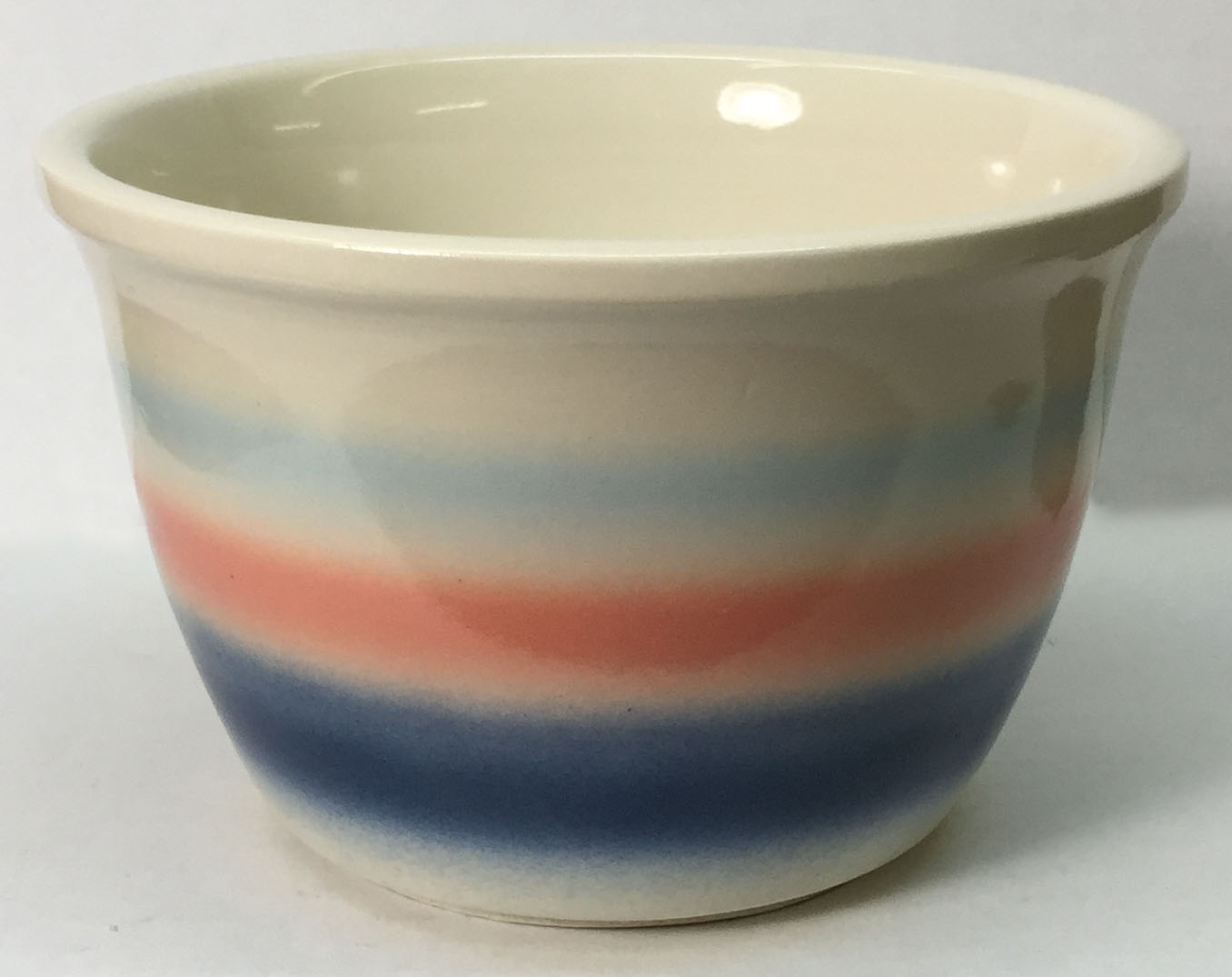
3、Color Development: As a color modifier, aluminum fluoride enables the creation of vibrant colors and subtle variations in ceramic glazes
and pigments. By adjusting the concentration of aluminum fluoride and other colorants, ceramicists can achieve desired color effects,
ranging from pastel tones to deep, rich hues.
4、Surface Texture Enhancement: Aluminum fluoride contributes to improving the surface texture of ceramic products, enhancing
their tactile qualities and visual appeal. In matte glazes, it can create a velvety or pebbled texture, adding depth and interest to the ceramic surface.
Aluminum fluoride plays a crucial role in the ceramic industry as a versatile additive in glazes and pigments. Its ability to act as a flux, opacifier, and
color modifier makes it indispensable for ceramicists seeking to achieve desired aesthetic effects and functional properties in their products. By harnessing
the unique properties of aluminum fluoride, ceramic manufacturers can produce high-quality, visually stunning, and durable ceramic products that cater to
diverse artistic and practical requirements.
The Versatile Application of Potassium Fluoride in Agriculture
The Role of Fluorotitanic Acid in Industrial Production of Titanium Metal
Related Article
Discover why 70% hydrofluoric acid is preferred globally — balancing reactivity, safety, and cost-efficiency for glass, metal, and semiconductor industries.
Why International Buyers Prefer Purchasing Hydrofluoric Acid with 70% Concentration

FSSF Chemical leads you to discover the industrial uses of fluoroboric acid (HBF₄), including applications in electroplating, metal cleaning, catalysis, pharmaceuticals, and battery technology.
The Comprehensive Industrial Applications of Fluoroboric Acid (HBF4)