The Use of Magnesium Fluoride in Thin Films
2023-07-07
In the realm of optical components, surface reflections can lead to a loss of light energy. To address this issue,
optical components are often equipped with a transparent dielectric film known as an anti-reflection coating.
This coating is instrumental in diminishing reflected light and enhancing transmitted light, ultimately resulting in
sharper imaging for optical systems.
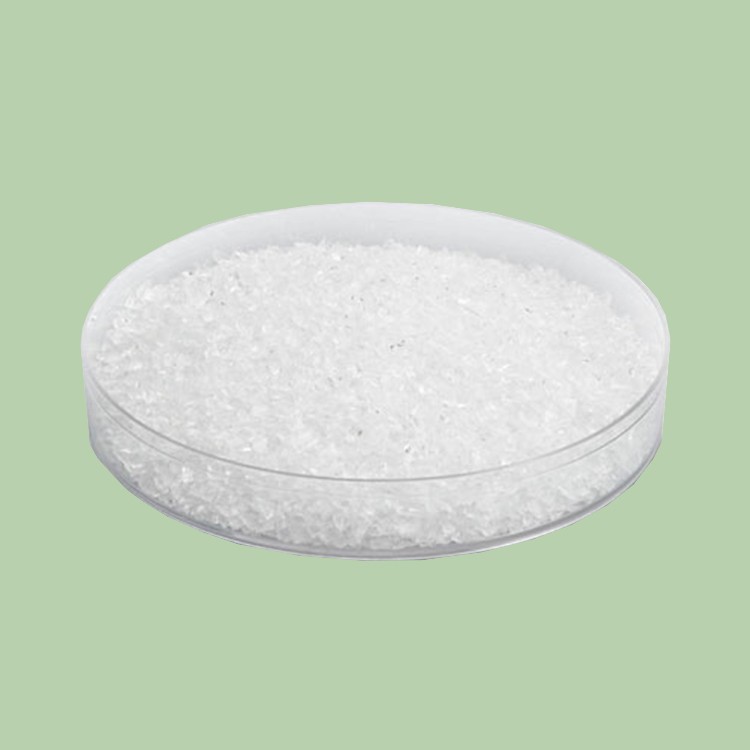
One prevalent material used for anti-reflection coatings is magnesium fluoride. This crystalline substance, with its
off-white appearance, exhibits positive birefringence and exceptional resistance to mechanical and thermal stress,
as well as radiation. Moreover, its wide range of light transmission spans from 120 nm in the deep ultraviolet region
to 7,000 nm in the far-infrared spectrum. Consequently, magnesium fluoride is a versatile and crucial material for various
optical coatings.
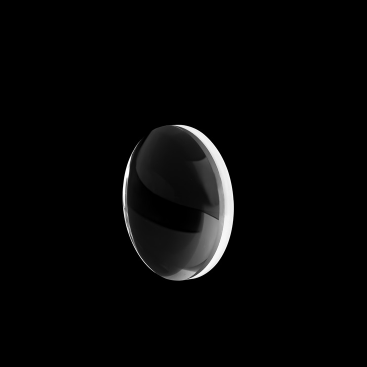
1、Application as Lens Material:
Magnesium fluoride is a frequently employed material for thin film coatings on glass substrates, primarily due to its
near-ideal refractive index and remarkable stability. Beyond enhancing transparency and reducing reflection, it provides
resistance to wear and chemicals, making it an ideal protective film for delicate glass-based technologies such as sensors,
goggles, heat-reflective windows, LEDs, and liquid crystal displays. With variations in temperature, film thickness, and
layering techniques, MgF2/Ag-doped photonic crystals can be tailored for precise frequency adjustment of transmission bands.
2、Utilization in the Production of Cu-MgF2 Nanoceramic Films:
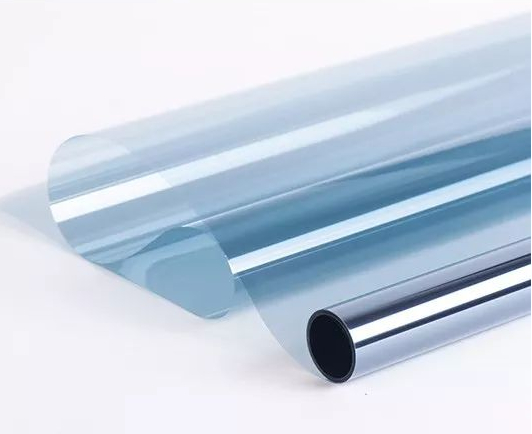
Through the vacuum evaporation technique, our researchers have developed Cu-MgF2 nanoceramic films, combining highly
uniform fcc-Cu grain structures with amorphous MgF2 matrices, resulting in an average particle size of 14-16nm. These nanoceramic
films exhibit exceptional light absorption selectivity and strong nonlinear optical effects, rendering them suitable for a variety of advanced applications.
3、Use as a Protective Film for Metal Reflectors
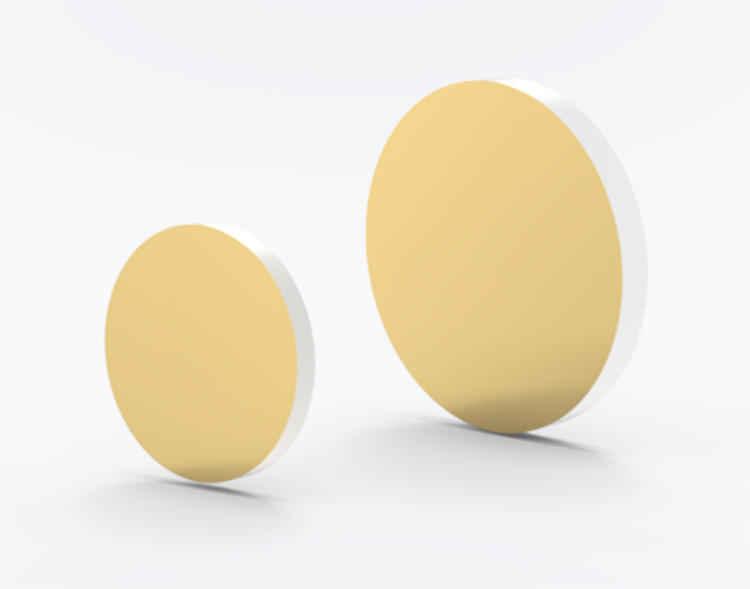
Traditional highly reflective mirror materials like aluminum, silver, and gold suffer from several shortcomings, including poor
mechanical and chemical stability, softness, and susceptibility to oxidation. By applying a protective magnesium fluoride coating
to the surface of aluminum, the high reflectivity of aluminum is maintained while offering superior protection. This technology
is widely adopted in advanced optical devices, particularly for space-based UV remote sensors, addressing numerous vulnerabilities
associated with silver-based reflective film systems.
DEVELOPMENT OF INORGANIC FLUORINE CHEMICALS
Related Article
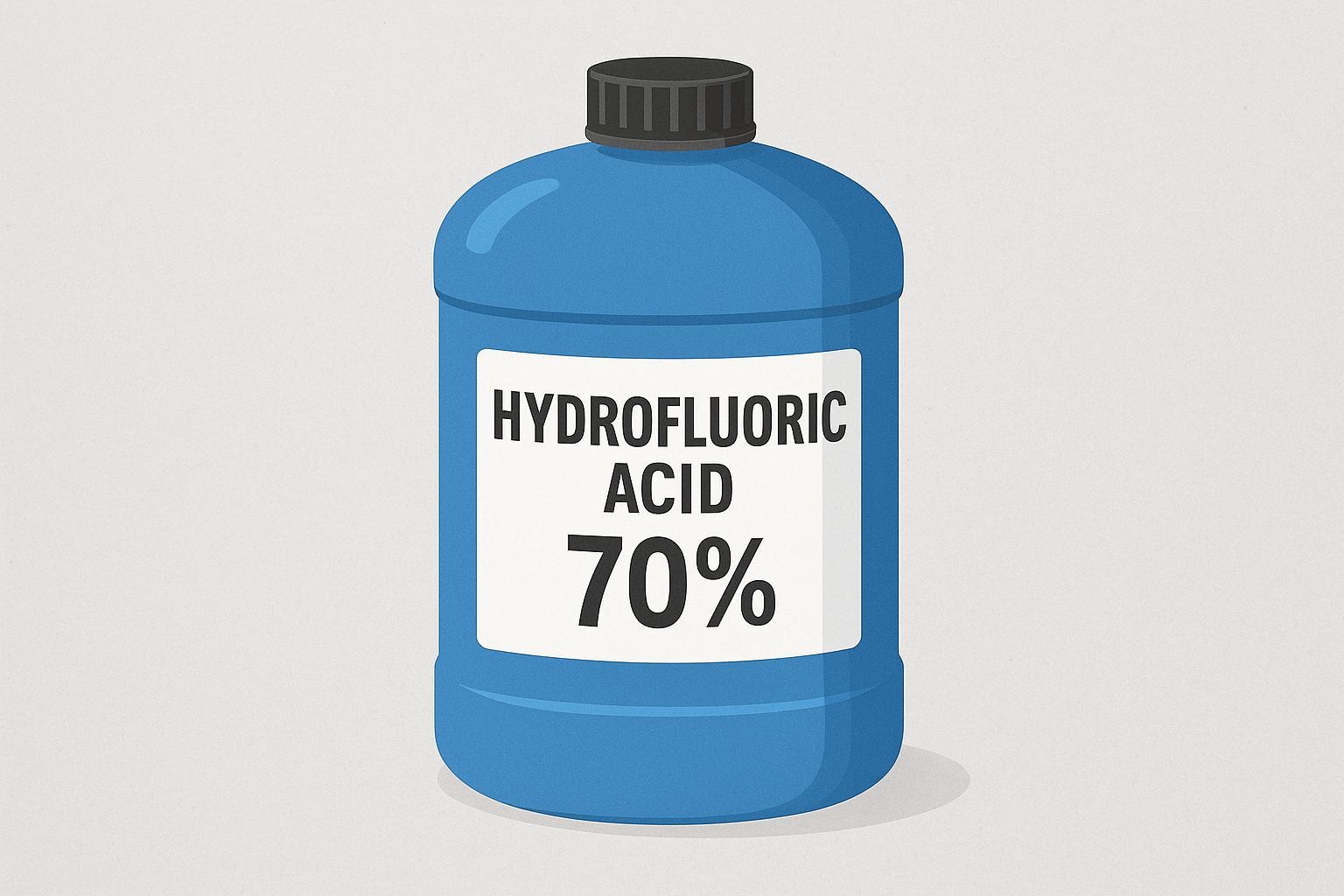
Discover why 70% hydrofluoric acid is preferred globally — balancing reactivity, safety, and cost-efficiency for glass, metal, and semiconductor industries.
Why International Buyers Prefer Purchasing Hydrofluoric Acid with 70% Concentration

FSSF Chemical leads you to discover the industrial uses of fluoroboric acid (HBF₄), including applications in electroplating, metal cleaning, catalysis, pharmaceuticals, and battery technology.
The Comprehensive Industrial Applications of Fluoroboric Acid (HBF4)