The Science Behind Ammonium Fluoroborate in Flame Detection Agents
2024-03-15
Flame detection plays a critical role in fire safety systems, alerting us to the presence of fires before they escalate into major disasters.
Among the various components used in flame detection agents, Ammonium Fluoroborate (NH4BF4) stands out for its remarkable properties.
This article delves into the science behind why Ammonium Fluoroborate is a vital ingredient in flame detection agents.
Understanding Ammonium Fluoroborate:
Ammonium Fluoroborate is a chemical compound composed of ammonium ions (NH4+) and fluoroborate ions (BF4-). It is commonly found in
the form of white crystalline powder. This compound is known for its ability to undergo a distinct color change when exposed to flames, making it
an ideal candidate for flame detection applications.
The Chemistry Behind Flame Detection:
When Ammonium Fluoroborate encounters flames, it undergoes a chemical reaction that leads to a noticeable change in color. This reaction
can be attributed to the decomposition of the compound under high temperature. As the flames heat the Ammonium Fluoroborate, it releases
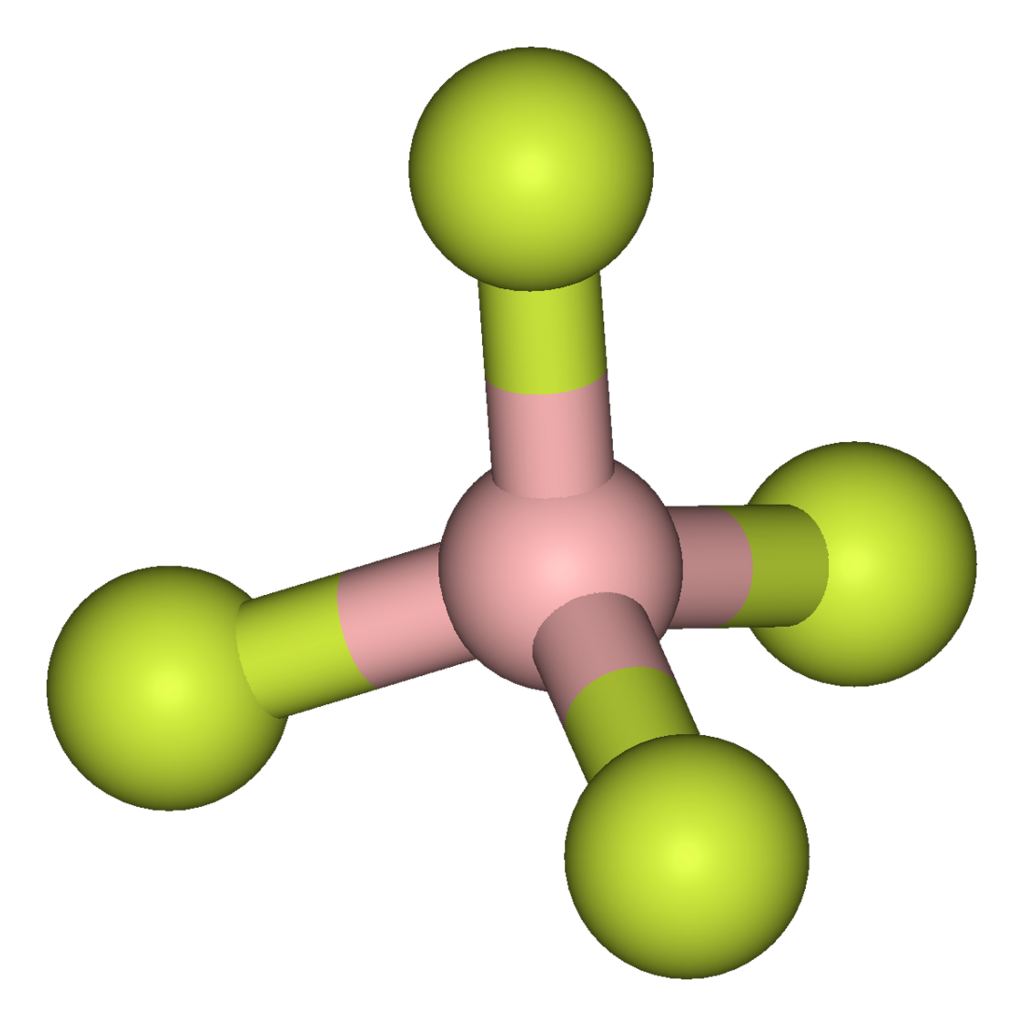
ammonia gas (NH3) and boron trifluoride (BF3). The liberated boron trifluoride contributes to the characteristic color change, often producing
a vivid purple hue. This color change serves as a reliable indicator of the presence of flames, enabling prompt detection and response.

Mechanism of Action in Flame Detection Agents:
In flame detection agents, Ammonium Fluoroborate serves as a chemical indicator, sensitively responding to the thermal energy emitted by flames.
When incorporated into flame detection systems, such as sensors or detectors, Ammonium Fluoroborate enhances their ability to detect fires swiftly
and accurately. Its ability to undergo a discernible color change in the presence of flames provides a visual cue, enabling both manual and automated
fire detection mechanisms to trigger timely alarms.
Applications Across Industries:
The versatility of Ammonium Fluoroborate makes it suitable for a wide range of industries and environments requiring flame detection capabilities.
From industrial facilities and laboratories to commercial buildings and residential spaces, flame detection systems employing Ammonium Fluoroborate
contribute to enhancing fire safety measures. By promptly identifying fires in their incipient stages, these systems facilitate rapid response efforts,
minimizing property damage and ensuring occupant safety.
Ammonium Fluoroborate's unique chemical properties make it a valuable component in flame detection agents, enabling swift and accurate detection of fires.
By understanding the science behind its role in flame detection, we can appreciate its significance in bolstering fire safety measures across various industries
and environments. Through continued research and advancements in flame detection technology, compounds like Ammonium Fluoroborate will continue to
play a crucial role in mitigating the impact of fires and safeguarding lives and property.
The Role of Fluorotitanic Acid in Industrial Production of Titanium Metal
The Versatile Application of Sodium Fluorosilicate in Water Treatment
Related Article
Discover why 70% hydrofluoric acid is preferred globally — balancing reactivity, safety, and cost-efficiency for glass, metal, and semiconductor industries.
Why International Buyers Prefer Purchasing Hydrofluoric Acid with 70% Concentration

FSSF Chemical leads you to discover the industrial uses of fluoroboric acid (HBF₄), including applications in electroplating, metal cleaning, catalysis, pharmaceuticals, and battery technology.
The Comprehensive Industrial Applications of Fluoroboric Acid (HBF4)