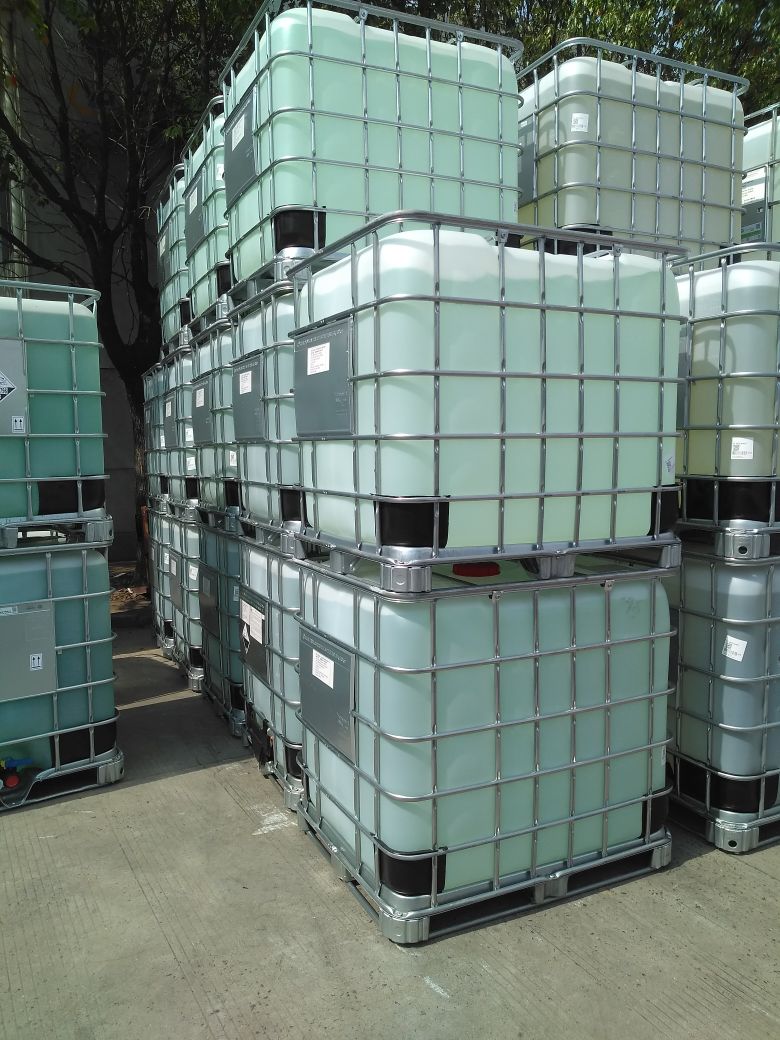
The Role of Fluorotitanic Acid in Industrial Production of Titanium Metal
2024-03-16
Titanium, known for its exceptional strength, corrosion resistance, and low density, finds extensive use across
various industries, from aerospace to biomedical applications. However, the extraction and production of titanium metal
involve complex processes. One crucial compound utilized in the industrial production of titanium metal is fluorotitanic acid.
In this article, we delve into the detailed application of fluorotitanic acid in the manufacturing process of titanium metal.

Chemical Properties of Fluorotitanic Acid:
Fluorotitanic acid, with the chemical formula H2TiF6, is an inorganic compound characterized by its acidic properties and
high solubility in water. It is typically prepared by the reaction of titanium dioxide with hydrofluoric acid. The resulting
fluorotitanic acid solution serves as a key precursor in the production of titanium metal.
Use of Fluorotitanic Acid in Titanium Ore Processing:
The industrial production of titanium metal begins with the extraction of titanium-bearing minerals, such as ilmenite and rutile.
These minerals are processed to obtain titanium dioxide (TiO2), the primary compound used in the production of titanium metal.
Fluorotitanic acid plays a crucial role in this process as it facilitates the conversion of titanium dioxide into
titanium tetrachloride (TiCl4), a vital intermediate compound.

Conversion to Titanium Tetrachloride (TiCl4):
Fluorotitanic acid reacts with titanium dioxide to form titanium oxyfluoride (TiOF2), which is then chlorinated to produce
titanium tetrachloride according to the following chemical equations:

Titanium tetrachloride serves as a precursor in the subsequent steps of the titanium metal production process.
Reduction of Titanium Tetrachloride:
In the next stage, titanium tetrachloride is reduced to metallic titanium using a reactive metal such as magnesium
or sodium in a process called the Kroll process. Fluorotitanic acid indirectly contributes to this step by providing
a source of titanium tetrachloride.
Purification and Refining:
The obtained titanium sponge undergoes purification and refining processes to remove impurities and improve
the mechanical properties of the metal. Although fluorotitanic acid is not directly involved in these purification steps,
its efficient use in the initial stages ensures the production of high-quality titanium metal.
Fluorotitanic acid, through its role in the conversion of titanium dioxide to titanium tetrachloride, plays a crucial part
in the industrial production of titanium metal. Its application in ore processing enables the efficient extraction and
refining of titanium, contributing to the widespread availability of this valuable metal in various industrial sectors.
Understanding the specific role of fluorotitanic acid sheds light on the intricate processes involved in the production
of titanium metal, highlighting its significance in modern industrial applications.
The Versatile Application of Aluminum Fluoride in Ceramic Industry
The Science Behind Ammonium Fluoroborate in Flame Detection Agents
Related Article
Discover why 70% hydrofluoric acid is preferred globally — balancing reactivity, safety, and cost-efficiency for glass, metal, and semiconductor industries.
Why International Buyers Prefer Purchasing Hydrofluoric Acid with 70% Concentration

FSSF Chemical leads you to discover the industrial uses of fluoroboric acid (HBF₄), including applications in electroplating, metal cleaning, catalysis, pharmaceuticals, and battery technology.
The Comprehensive Industrial Applications of Fluoroboric Acid (HBF4)