The Role of Ammonium Bifluoride in Aluminum Extrusion Plants
2023-11-10
Ammonium bifluoride, commonly known as ammonium hydrogen fluoride (NH4HF2), plays a crucial role in
aluminum extrusion plants. Let's delve into how this chemical is applied in these facilities.Ammonium bifluoride,
commonly known as ammonium hydrogen fluoride (NH4HF2), plays a crucial role in aluminum extrusion plants.
Let's delve into how this chemical is applied in these facilities.
Aluminum, a versatile and widely used metal, often undergoes extrusion processes to create various profiles for
different applications. Ammonium bifluoride finds application in these aluminum extrusion plants primarily as an
etchant, contributing to the enhancement of aluminum surface properties.

1、Pre-treatment:
Before employing ammonium bifluoride, meticulous surface preparation is essential. This involves removing contaminants
such as grease and dirt to ensure optimal etching results.
2、Solution Preparation:
Ammonium bifluoride is dissolved in an appropriate solvent, typically water, to create a solution. The concentration and
temperature of the solution depend on specific application requirements.
3、Etching Process:
The prepared ammonium bifluoride solution is applied to the aluminum surface. Controlling etching time and temperature
is crucial to achieving the desired depth and surface quality. These parameters are influenced by factors such as solution
concentration and etching duration.
4、Neutralization and Waste Treatment:
Following etching, neutralization of residual ammonium bifluoride is vital to prevent further corrosion of the aluminum surface.
This process often involves using alkaline substances. Proper waste treatment ensures compliance with environmental and safety standards.
5、Cleaning and Further Treatment:
After etching, thorough cleaning is necessary to remove any residual chemicals. Depending on specific requirements,
additional treatments like coating or polishing may be applied to meet the desired end-use specifications.
It is crucial to emphasize the cautious use of ammonium bifluoride due to its strong acidic nature. Adhering to safety protocols
is imperative, including wearing appropriate personal protective equipment such as chemical-resistant suits, goggles, and gloves.
Operations should take place in well-ventilated areas to minimize the risk of inhaling harmful gases.
In conclusion, ammonium bifluoride is a valuable tool in aluminum extrusion plants, contributing to the production of high-quality
aluminum profiles through controlled etching processes. Its careful application ensures both efficiency in the manufacturing process
and adherence to safety and environmental standards.
The Flame-Retardant Marvel: Exploring Fluorozirconic Acid's Role in Everyday Safety
The Hidden Power of Sodium Bifluoride in Metal Cleansing and Etching
Related Article
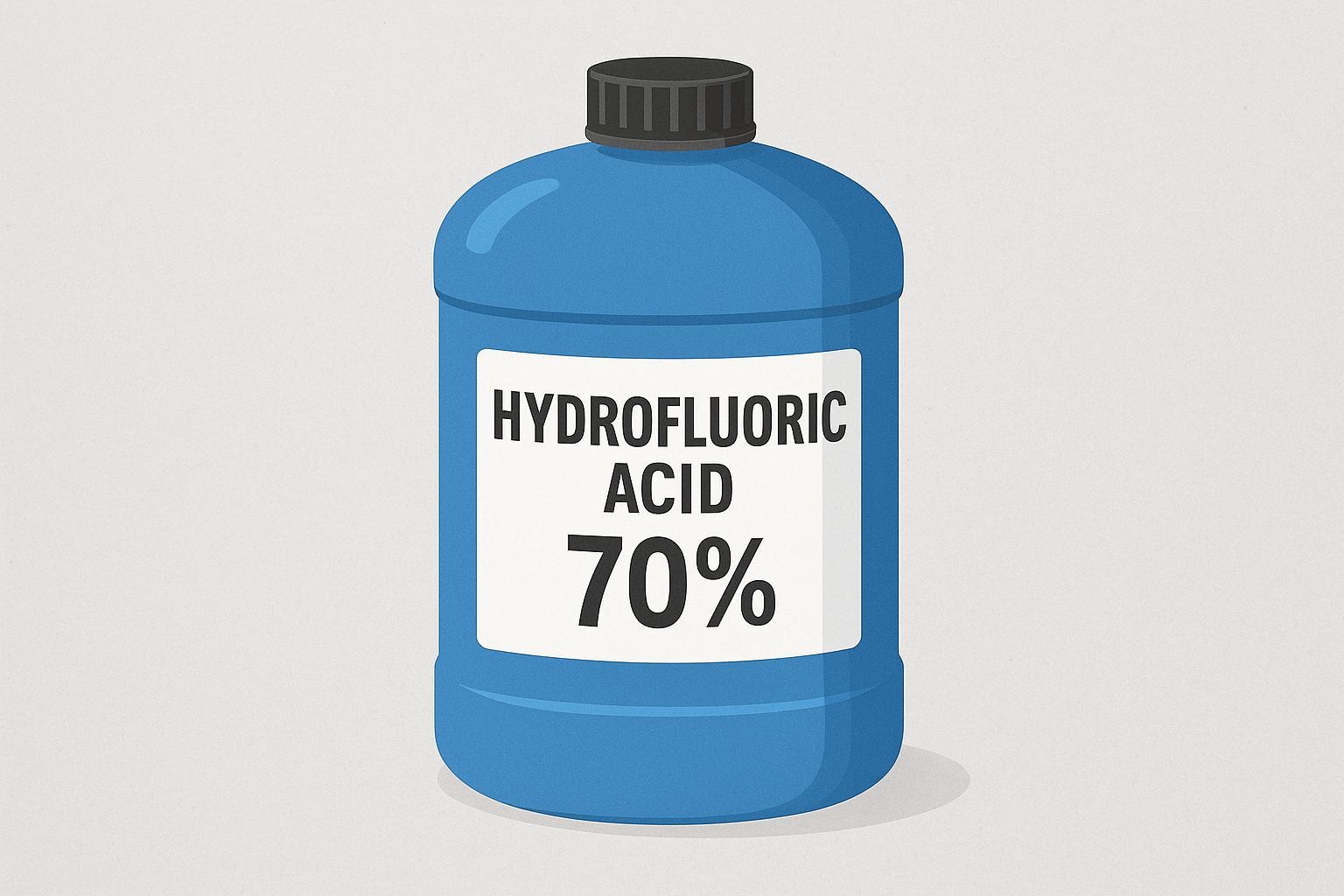
Discover why 70% hydrofluoric acid is preferred globally — balancing reactivity, safety, and cost-efficiency for glass, metal, and semiconductor industries.
Why International Buyers Prefer Purchasing Hydrofluoric Acid with 70% Concentration

FSSF Chemical leads you to discover the industrial uses of fluoroboric acid (HBF₄), including applications in electroplating, metal cleaning, catalysis, pharmaceuticals, and battery technology.
The Comprehensive Industrial Applications of Fluoroboric Acid (HBF4)