The Multifaceted Applications of Ammonium Bifluoride in the Electronic Industry
2023-08-24
The electronic industry stands as a modern marvel, transforming our lives through a plethora of devices that permeate every aspect of society.
Beneath the sleek exteriors and intricate designs of electronic gadgets lies a complex world of manufacturing processes, many of which rely on specialized
chemicals to achieve the desired results. Among these chemicals, Ammonium Bifluoride (NH4HF2) emerges as a star player, playing an indispensable role
in various facets of the electronic manufacturing landscape. This article is dedicated to unraveling the multifaceted applications of Ammonium Bifluoride in the
electronic industry, shedding light on its significance, mechanisms, and implications.
1. Semiconductor Etching: Precision at the Nanoscal
At the heart of the electronic industry lies the intricate world of semiconductors. These tiny devices, made from silicon wafers, are the building blocks of modern
electronics. To create the complex patterns that define semiconductor components, a meticulous etching process is required. This is where Ammonium Bifluoride enters the scene.
Ammonium Bifluoride is a highly reactive compound with a remarkable affinity for silicon dioxide (SiO2). In the semiconductor etching process, a mask is applied to the silicon wafer,
protecting the areas that should remain untouched. Ammonium Bifluoride, when introduced, selectively etches away the exposed silicon dioxide, leaving behind the desired pattern.
This level of precision is crucial for crafting the transistors, capacitors, and interconnects that form the foundation of electronic circuits.
2. Glass Cleaning and Polishing: A Clear Perspective
Electronic devices often incorporate high-quality glass components, ranging from display screens to optical lenses. The cleanliness and clarity of these glass surfaces
are paramount for optimal performance. However, manufacturing processes can introduce contaminants or residues, impacting the transparency and functionality of the glass.
Ammonium Bifluoride's unique property of dissolving metal oxides and organic residues makes it an excellent choice for glass cleaning and polishing. By carefully controlling
its concentration and application, manufacturers can effectively remove unwanted deposits from glass surfaces, ensuring that the end product maintains its visual and functional integrity.
3. Removing Metal Stains: Purity Restored
Metal components and traces are ubiquitous in the electronic industry. However, manufacturing processes can sometimes lead to unwanted metal stains on surfaces,
compromising both appearance and function. Ammonium Bifluoride's exceptional ability to selectively dissolve metal oxides without harming the substrate is a valuable
asset in restoring purity to metal surfaces.
Through careful application, manufacturers can effectively remove these stains, rejuvenating the aesthetics and ensuring the reliability of the final electronic product.
4. Flux and Soldering: Enabling Strong Connections
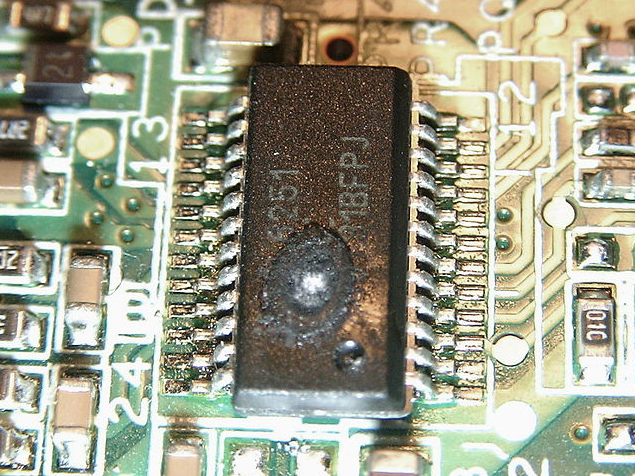
Soldering, the process of joining metals using molten filler material, is a fundamental step in electronics manufacturing. To achieve reliable solder joints, proper wetting
and bonding between the solder and the surfaces to be joined are essential. Ammonium Bifluoride contributes to this process through its role in flux formulations.
Flux serves as a cleaning agent, removing oxides from metal surfaces and enhancing their wetting properties. Ammonium Bifluoride, when combined with
other flux constituents, provides an effective solution for promoting successful solder joints. The result is a robust connection that ensures the longevity
and performance of electronic devices.
5. Surface Activation for Adhesion: Bonding for Success
In the realm of electronics, adhesion is a critical factor in ensuring the stability and performance of devices. Surface activation, a pre-treatment process,
enhances adhesion by modifying the surface's chemical properties. Ammonium Bifluoride finds its place in this process, offering a means to etch and
functionalize surfaces, creating anchor points for subsequent layers of materials.
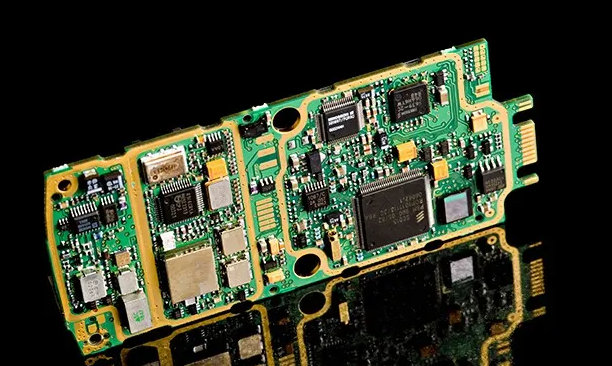
This application is particularly valuable in the production of printed circuit boards (PCBs) and microelectromechanical systems (MEMS), where secure bonding between
layers is essential for optimal functionality and durability.
6. Environmental and Safety Considerations: Balancing Progress and Responsibility
While Ammonium Bifluoride offers an array of benefits to the electronic industry, its usage must be approached with caution due to its corrosive and toxic nature.
The responsible handling, storage, and disposal of Ammonium Bifluoride are of paramount importance to ensure the safety of workers, consumers, and the environment.
As the industry continues to grow, efforts are being made to explore alternative chemicals and processes that balance the need for progress with environmental and human safety concerns.
Ammonium Bifluoride stands as a remarkable example of how a seemingly unassuming chemical compound can have a profound impact on an entire industry. From semiconductor fabrication
to glass cleaning, its versatile applications contribute to the creation of cutting-edge electronic devices. However, with these opportunities comes the responsibility to ensure safe handling and
disposal. As technology advances, the story of Ammonium Bifluoride in the electronic industry continues to evolve, reminding us of the delicate balance between innovation and environmental stewardship.
 |
 |
Unlocking the Secrets of Potassium Fluoride: A Culinary Companion
Utilizing Magnesium Fluorosilicate as a Curing Agent
Related Article
Discover why 70% hydrofluoric acid is preferred globally — balancing reactivity, safety, and cost-efficiency for glass, metal, and semiconductor industries.
Why International Buyers Prefer Purchasing Hydrofluoric Acid with 70% Concentration

FSSF Chemical leads you to discover the industrial uses of fluoroboric acid (HBF₄), including applications in electroplating, metal cleaning, catalysis, pharmaceuticals, and battery technology.
The Comprehensive Industrial Applications of Fluoroboric Acid (HBF4)