The Industrial Application of Potassium Fluotitanate as Grain Refiners
2023-11-21
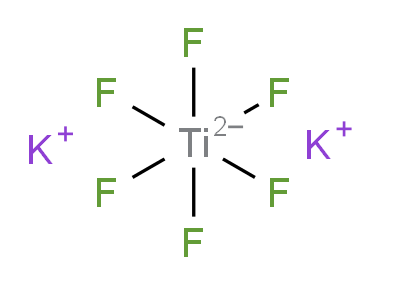
Potassium fluotitanate, a chemical compound composed of potassium, fluorine, and titanium,
plays a crucial role in the field of metallurgy as a grain refiner. In industrial processes, especially
in the production of aluminum and other alloys, the addition of potassium fluotitanate has become
a common practice to enhance material properties.
Understanding Grain Refinement
Grain refinement is a process that involves controlling the size and distribution of crystals (grains) in metallic
structures. In metals like aluminum, larger grains can lead to reduced mechanical properties, making them brittle.
By using grain refiners, the crystal structure becomes more refined, resulting in improved strength, ductility, and other
desirable characteristics.
Properties of Potassium Fluotitanate
Potassium fluotitanate possesses unique properties that make it an ideal candidate for grain refinement. Its ability to
react with molten metals, particularly aluminum, and form fine precipitates contributes to the desired grain structure.
Application in Aluminum Production
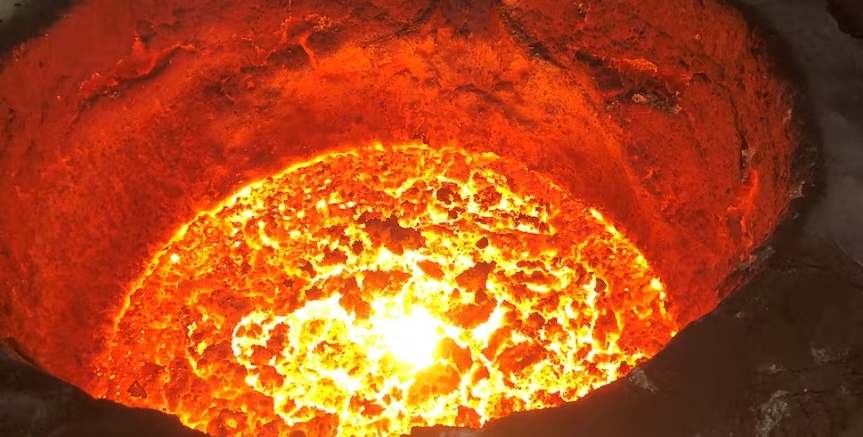
The primary industrial application of potassium fluotitanate is in aluminum production. When added to molten aluminum,
it acts as a nucleating agent, initiating the formation of fine grains during solidification. This process enhances the mechanical
properties of the aluminum, making it suitable for various applications, from aerospace to automotive industries.
Alloy Enhancement
Potassium fluotitanate is not limited to aluminum; it is also employed in the production of other alloys. Its effectiveness
in refining grains extends to alloys of magnesium, titanium, and other metals. This versatility makes it a valuable additive
in the metallurgical industry.
Process of Addition
In the industrial setting, potassium fluotitanate is introduced into the molten metal bath at specific stages of the production
process. The precise control of its concentration and the timing of addition are critical factors in achieving optimal grain refinement.
Benefits of Grain Refinement
The incorporation of potassium fluotitanate brings several benefits to the final product. These include improved mechanical properties,
enhanced surface finish, and a reduction in the incidence of defects such as porosity. The overall result is a material with superior performance
and durability.
Quality Control Measures
Ensuring the consistent and effective use of potassium fluotitanate requires stringent quality control measures. Regular testing and
analysis of the metal's microstructure help maintain the desired grain refinement characteristics.
Future Developments
Ongoing research aims to further optimize the use of potassium fluotitanate and explore its applications in emerging technologies.
The continuous refinement of industrial processes contributes to sustainable and efficient metallurgical practices.
Potassium fluotitanate stands as a key player in the realm of grain refinement, particularly in the production of aluminum and other alloys.
Its unique properties and versatile applications contribute to the enhancement of material properties, fostering innovation and improvement
in various industrial sectors. As technology advances, the role of potassium fluotitanate in metallurgy is likely to expand, paving the way
for more robust and high-performance materials.
Preserving Wood with Ammonium Fluorosilicate
The Versatile Role of Potassium Aluminum Fluoride in the Abrasive Industry
Related Article
Discover why 70% hydrofluoric acid is preferred globally — balancing reactivity, safety, and cost-efficiency for glass, metal, and semiconductor industries.
Why International Buyers Prefer Purchasing Hydrofluoric Acid with 70% Concentration

FSSF Chemical leads you to discover the industrial uses of fluoroboric acid (HBF₄), including applications in electroplating, metal cleaning, catalysis, pharmaceuticals, and battery technology.
The Comprehensive Industrial Applications of Fluoroboric Acid (HBF4)