The Growing Role of Zinc Fluorosilicate in Textile Post-Washing Treatments
2024-02-22
Zinc fluorosilicate, an inorganic compound, has found increasing applications in the post-treatment processes of the textile industry,
owing to its outstanding attributes such as waterproofing, oil resistance, dustproofing, and anti-fouling capabilities. This article
aims to elucidate the utilization of zinc fluorosilicate in textile post-washing treatment products, outlining its advantages and
offering precautionary measures.
Ⅰ. Overview of zinc fluorosilicate
Zinc fluorosilicate, identified by the chemical formula ZnSiF6, is a white crystalline substance renowned for its stability and
insolubility in water. Widely recognized for its roles in electroplating, building materials, and ceramics as a waterproofing
and fire-resistant agent, it has gained prominence in the textile industry for its superior properties in recent years.
Ⅱ. Application of zinc fluorosilicate in Post-Washing Treatment Products
1. Fabric Softeners
In post-washing treatment, fabric softeners are employed to impart a soft and comfortable feel to fabrics.
However, these softeners may leave undesirable residues, impacting fabric comfort. zinc fluorosilicate mitigates
this issue by preventing the formation of residues on fiber surfaces, enhancing the softening effect.

2. Waterproof Coatings
Zinc fluorosilicate creates a molecular layer covering the fiber surface, resulting in a waterproof effect.
Applied in waterproof coatings, it forms a soluble film on the fabric, significantly improving its waterproof performance.
3. Oil-Resistant Coatings
Similar to waterproof coatings, zinc fluorosilicate bonds with the fiber surface to form a colorless and transparent oil-resistant
film, enhancing the fabric's resistance to oils without affecting its luster.
4. Dustproofness
Utilized for crafting dustproof fabrics, zinc fluorosilicate minimizes dust accumulation on the fabric surface.
The molecular layer acts as a protective barrier, preventing fiber scale opening and reducing dust formation.
Ⅲ. Advantages of zinc fluorosilicate in Post-Washing Treatment Products
A. Excellent Waterproof Performance
Zinc fluorosilicate delivers exceptional waterproofing, particularly in the form of durable waterproof coatings.
B. Good Oil Resistance
The compound enhances oil resistance, as evidenced by lower absorption rates of various oils on treated fibers compared to untreated ones.
C. Good Dustproofness
Zinc fluorosilicate contributes to the creation of dustproof fabrics, diminishing dust formation on the fabric surface.
Ⅳ. Precautions in the Application of zinc fluorosilicate
1. Proper Usage Quantity
Caution should be exercised in the quantity of zinc fluorosilicate added to maintain fabric breathability and moisture absorption.
2. Ensure Personnel Safety
Given its chemical nature, safety measures must be observed during handling to prevent potential hazards to personnel.
3. Ensure Thorough Cleaning
Thorough cleaning of products utilizing zinc fluorosilicate is essential to eliminate residual substances that may irritate the skin.
In conclusion, the application of zinc fluorosilicate in textile post-washing treatment products is gaining prominence due to
its remarkable properties. However, prudent use, prioritizing personnel safety, and thorough cleaning practices are imperative to
ensure optimal outcomes and prevent potential risks.
Fluoroboric Acid as a Stabilizing Agent for Diazonium Salts
Hydrofluoric Acid: Manufacturing and Application in Refrigerants for Refrigerators and Cooling Devices
Related Article
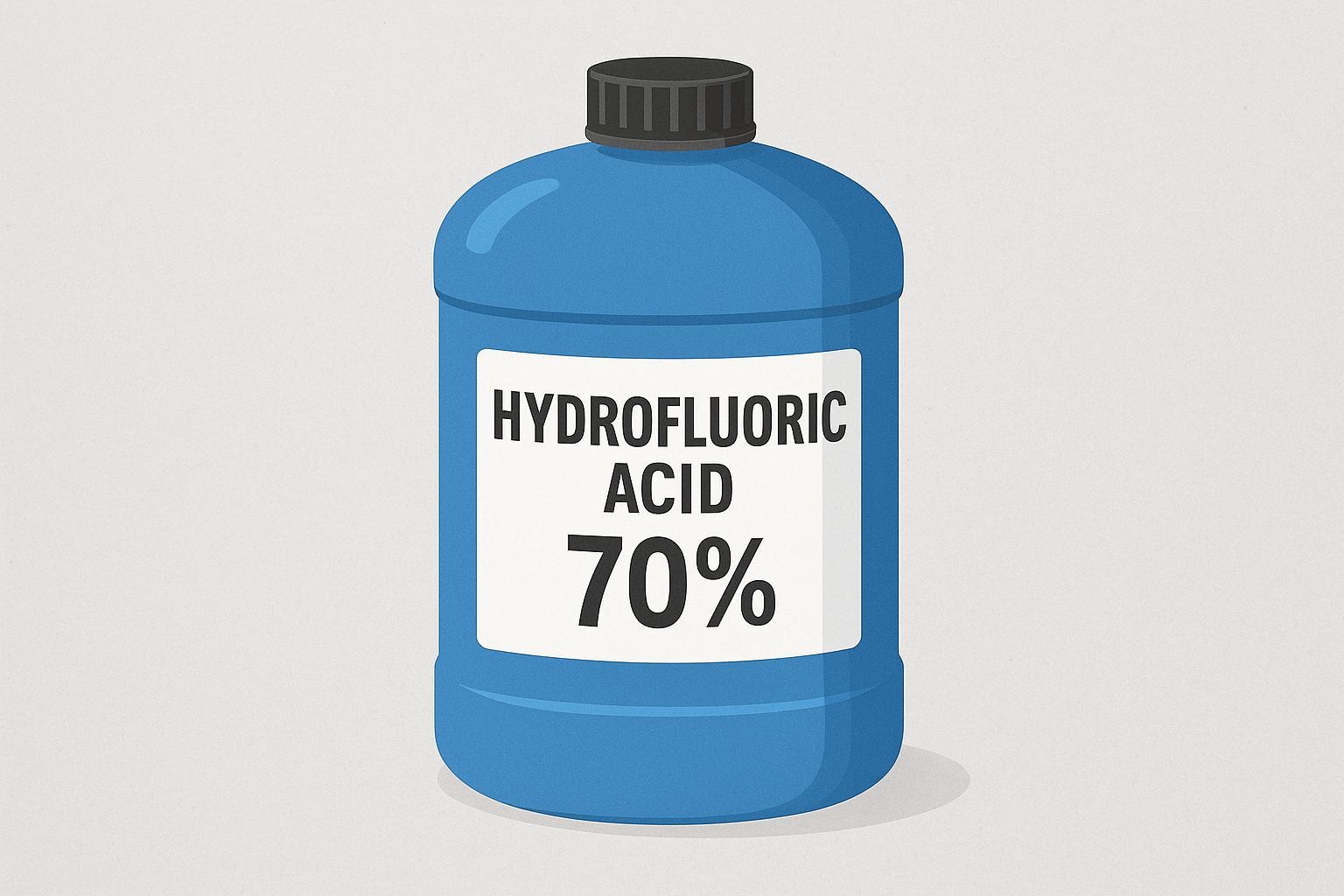
Discover why 70% hydrofluoric acid is preferred globally — balancing reactivity, safety, and cost-efficiency for glass, metal, and semiconductor industries.
Why International Buyers Prefer Purchasing Hydrofluoric Acid with 70% Concentration

FSSF Chemical leads you to discover the industrial uses of fluoroboric acid (HBF₄), including applications in electroplating, metal cleaning, catalysis, pharmaceuticals, and battery technology.
The Comprehensive Industrial Applications of Fluoroboric Acid (HBF4)