The Practical Application of Zinc Fluorosilicate in Protective Glass
2023-10-30
In a world where safety and protection are paramount, the use of advanced materials has become increasingly crucial.
One such material, zinc fluorosilicate, has found its niche in the realm of protective glass applications. This article aims
to provide an accessible and comprehensive overview of the principles, methods, and the vast scope of applications for
zinc fluorosilicate in protective glass.
Understanding Zinc Fluorosilicate
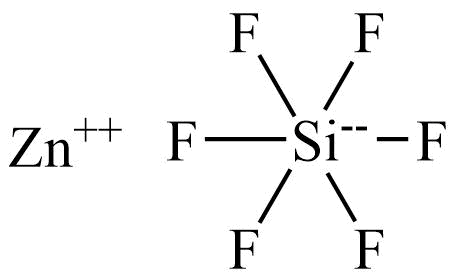
Zinc fluorosilicate is a unique compound, known for its remarkable properties that make it suitable for various protective
glass applications. It is a compound made up of zinc, fluorine, and silicon atoms, and its structure and properties give it
a special place in the world of advanced materials.
Principles of Zinc Fluorosilicate in Protective Glass
The application of zinc fluorosilicate on protective glass is driven by several fundamental principles:
1、Radiation Shielding: Zinc fluorosilicate has excellent radiation shielding properties. This makes it an ideal choice for
protective glass in environments where protection from harmful radiation is crucial, such as nuclear facilities, medical equipment,
and laboratories. The compound absorbs and scatters radiation, reducing its penetration and protecting individuals behind the glass.
2、Corrosion Resistance: Zinc fluorosilicate coatings provide protective glass with resistance to corrosion. In industries where
exposure to corrosive substances is common, such as the chemical or pharmaceutical industry, this feature is invaluable. It helps
maintain the integrity of the glass over time.
3、Abrasion Resistance: The abrasion resistance of zinc fluorosilicate coatings enhances the durability of protective glass.
This is particularly useful in applications where the glass may be subjected to scratching or wear, like military vehicle protective visors.
4、Optical Transparency: Zinc fluorosilicate coatings are typically transparent, allowing for minimal interference with
the optical properties of the glass. This is crucial in applications where maintaining visual clarity and light transmission is essential.

Methods of Applying Zinc Fluorosilicate on Protective Glass
The application of zinc fluorosilicate on protective glass involves specialized processes to ensure that the coating adheres properly
and delivers the desired protective properties. Here are the common methods:
★ Chemical Vapor Deposition (CVD): CVD is a widely used method to apply zinc fluorosilicate coatings. In this process, a gaseous
mixture of precursor compounds is introduced to the glass surface, where a chemical reaction occurs, depositing a uniform layer of
zinc fluorosilicate. CVD allows for precise control of coating thickness and composition.
★ Physical Vapor Deposition (PVD): PVD is another method that involves evaporating or sputtering the coating material onto the glass
surface. This technique is known for its ability to create thin, high-quality coatings and is often used in the optical and electronic industries.
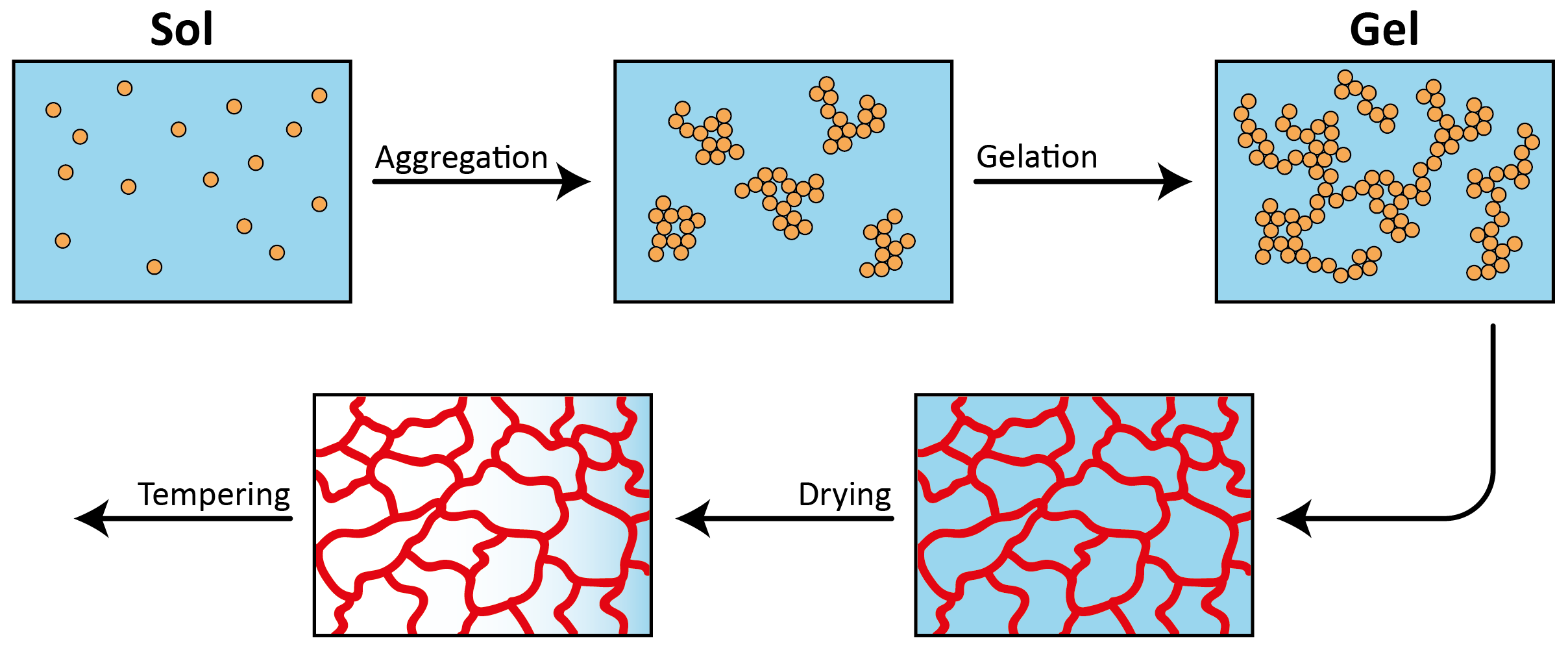
★ Sol-Gel Process: The sol-gel process involves the application of a liquid precursor that forms a gel on the glass surface. This gel is then
heat-treated to create a solid zinc fluorosilicate coating. It is a versatile method used in various applications due to its simplicity.
★ Spray Coating: In this method, a solution of zinc fluorosilicate is sprayed onto the glass surface. This is a cost-effective approach suitable
for larger areas, but it may result in less uniform coatings compared to CVD or PVD.
Scope of Applications
The applications of zinc fluorosilicate on protective glass are vast and diverse. Here are some areas where this advanced material plays a crucial role:
1、Radiation Protection: Zinc fluorosilicate-coated glass is used in nuclear power plants, research reactors, and medical facilities for
protection against ionizing radiation. It shields workers and patients from the harmful effects of radiation.
2、Chemical and Pharmaceutical Industries: Protective glass in these industries must withstand exposure to corrosive chemicals.
Zinc fluorosilicate coatings provide the necessary corrosion resistance to maintain the integrity of the glass.
3、Military and Defense: Protective visors, observation windows, and armored vehicle glass benefit from zinc fluorosilicate coatings
due to their abrasion resistance and enhanced protection.
4、Aerospace: Aircraft windows and space exploration vehicles require materials that can withstand harsh environmental conditions.
Zinc fluorosilicate coatings offer both protection and optical clarity.

5、Laboratory and Research Environments: Laboratories and research facilities use zinc fluorosilicate-coated glass for safety,
particularly when working with hazardous materials or processes.
6、Energy Production: In solar energy applications, zinc fluorosilicate-coated glass can protect photovoltaic cells from environmental
factors, enhancing the longevity of solar panels.
Zinc fluorosilicate has revolutionized the world of protective glass. Its unique combination of properties, including radiation shielding,
corrosion resistance, abrasion resistance, and optical transparency, makes it a versatile and valuable material for various applications.
By understanding the principles, methods, and scope of zinc fluorosilicate in protective glass, we can appreciate the role it plays in enhancing
safety, durability, and performance in a wide range of industries. Whether it's protecting against radiation, chemical exposure, or abrasion,
zinc fluorosilicate-coated glass is a critical component in our quest for safety and innovation.
The Brilliance of Sodium Fluorosilicate: Unveiling its Enamel Enchantment
Enhancing Welding Precision and Quality with Potassium Bifluoride (KHF2) Flux
Related Article
Discover why 70% hydrofluoric acid is preferred globally — balancing reactivity, safety, and cost-efficiency for glass, metal, and semiconductor industries.
Why International Buyers Prefer Purchasing Hydrofluoric Acid with 70% Concentration

FSSF Chemical leads you to discover the industrial uses of fluoroboric acid (HBF₄), including applications in electroplating, metal cleaning, catalysis, pharmaceuticals, and battery technology.
The Comprehensive Industrial Applications of Fluoroboric Acid (HBF4)