The Application of Zinc Fluorosilicate in Gypsum
2024-05-11
Zinc fluorosilicate, a compound known for its unique properties, finds versatile applications in various industries, including the construction sector.
When incorporated into gypsum, zinc fluorosilicate exhibits specific characteristics that enhance the performance of gypsum-based materials.
In this article, we delve into the properties of zinc fluorosilicate conducive to its application in gypsum, the reactions that occur when it is added to gypsum,
the benefits of incorporating zinc fluorosilicate in gypsum, and specific areas where it finds extensive use.

Properties of Zinc Fluorosilicate:
Zinc fluorosilicate possesses several properties that make it suitable for application in gypsum enhancement:
1. Binding Ability: Zinc fluorosilicate has adhesive properties that enable it to bond effectively with gypsum particles, contributing to the overall strength and durability of the material.
2. Water Resistance: One of the notable properties of zinc fluorosilicate is its resistance to water and moisture, which helps improve the water resistance of gypsum-based products.
3. Anti-Cracking: The addition of zinc fluorosilicate to gypsum formulations can enhance the material's resistance to cracking, thereby improving its structural integrity.
When zinc fluorosilicate is added to gypsum, it undergoes chemical reactions that result in the formation of new compounds. These reactions typically involve
the exchange of ions between zinc fluorosilicate and gypsum components. For instance, zinc ions may replace calcium ions in the gypsum lattice, leading to the
formation of zinc-containing compounds within the gypsum matrix. These reactions contribute to the modification of gypsum's properties, such as improved strength
and water resistance.
The incorporation of zinc fluorosilicate in gypsum offers several benefits:
1. Enhanced Strength: The presence of zinc fluorosilicate strengthens the gypsum matrix, making it more resistant to mechanical stresses and deformation.
2. Improved Water Resistance: Zinc fluorosilicate imparts greater water resistance to gypsum, making it suitable for applications in damp or humid environments.
3. Reduced Cracking: By reinforcing the gypsum structure, zinc fluorosilicate helps minimize the occurrence of cracks, thereby prolonging the lifespan of gypsum-based materials.
Zinc fluorosilicate-enhanced gypsum finds applications in various sectors, including:
1. Construction: Gypsum boards and panels reinforced with zinc fluorosilicate are used in construction for interior wall partitions, ceilings, and decorative elements.
2. Mold Making: Gypsum molds treated with zinc fluorosilicate exhibit improved durability and dimensional stability, making them ideal for casting various materials,
including ceramics and metals.
3. Dental Industry: In dentistry, gypsum-based materials reinforced with zinc fluorosilicate are utilized for fabricating dental impressions and prosthetic devices
due to their enhanced strength and accuracy.
4. Agriculture: Gypsum amendments containing zinc fluorosilicate are used in agriculture to improve soil structure, enhance water retention, and provide essential nutrients to plants.
In conclusion, zinc fluorosilicate offers valuable properties that enhance the performance of gypsum-based materials. Its ability to strengthen gypsum, improve water resistance,
and reduce cracking makes it a versatile additive with applications across multiple industries. By understanding its properties, reactions, benefits, and specific applications,
stakeholders can leverage the potential of zinc fluorosilicate to optimize the performance of gypsum-based products in various contexts.
How is Ammonium Fluoride as a Slow-Release Agent in Molding Sand Production
Ammonium Fluorosilicate in Herbicides
Related Article
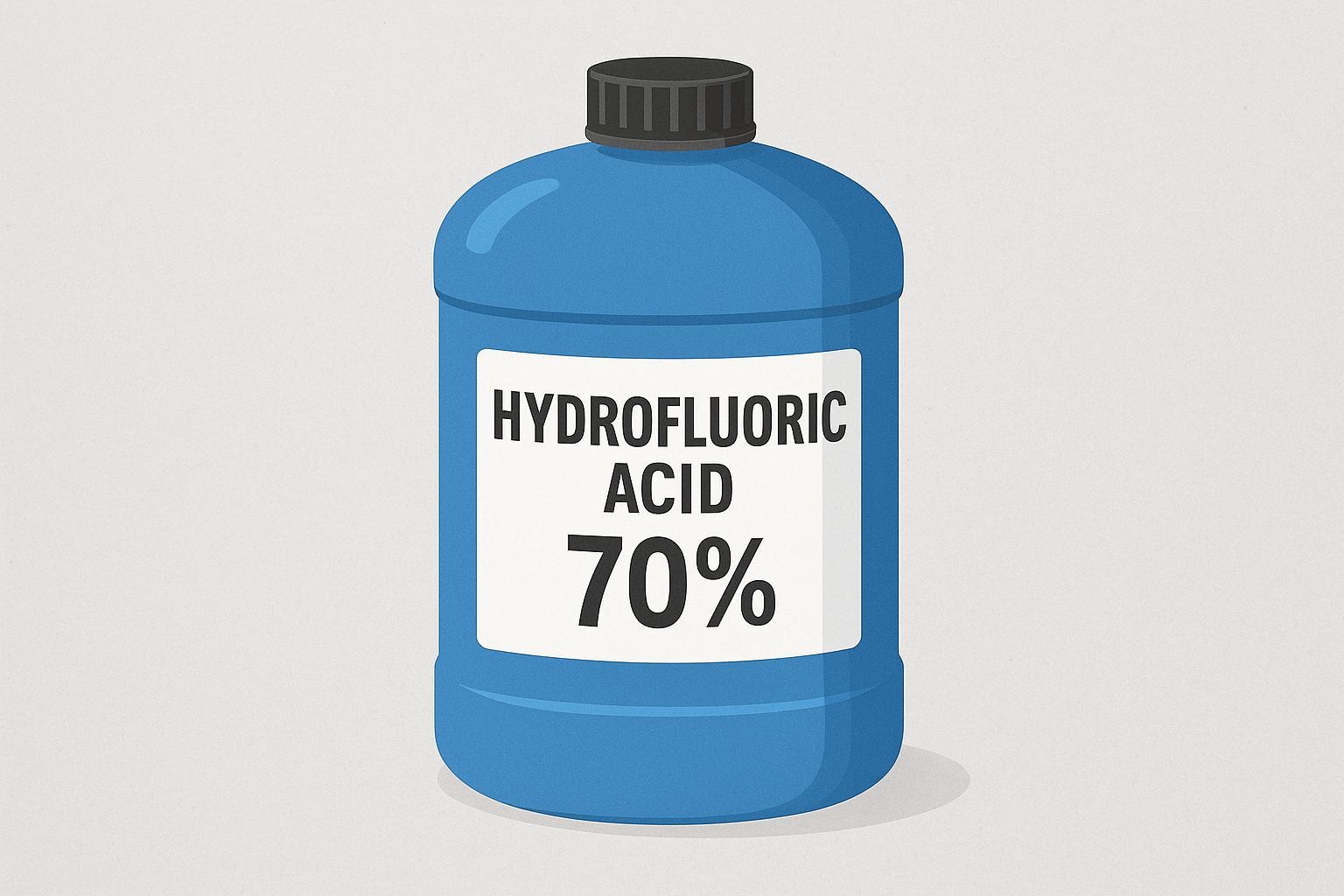
Discover why 70% hydrofluoric acid is preferred globally — balancing reactivity, safety, and cost-efficiency for glass, metal, and semiconductor industries.
Why International Buyers Prefer Purchasing Hydrofluoric Acid with 70% Concentration

FSSF Chemical leads you to discover the industrial uses of fluoroboric acid (HBF₄), including applications in electroplating, metal cleaning, catalysis, pharmaceuticals, and battery technology.
The Comprehensive Industrial Applications of Fluoroboric Acid (HBF4)