The Application of Sodium Hydrogen Fluoride in Water Treatment
2024-07-29
Sodium hydrogen fluoride (NaHF2), also known as sodium bifluoride, is a versatile chemical compound widely used in various industrial applications.
One of its significant and impactful uses is in the field of water treatment. This article will explore in detail how sodium hydrogen fluoride is applied in water
treatment processes, highlighting its mechanisms, benefits, and safety considerations.
Understanding Sodium Hydrogen Fluoride
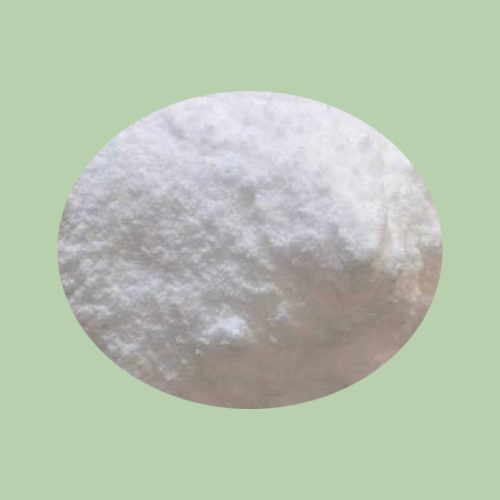
Sodium hydrogen fluoride is a white, crystalline powder that is highly soluble in water. It is formed by the reaction of sodium fluoride with hydrofluoric acid.
The resulting compound possesses both fluoride and hydrogen ions, which play crucial roles in its effectiveness for water treatment.
Mechanisms of Sodium Hydrogen Fluoride in Water Treatment
1、Fluoridation of Drinking Water:
One of the primary uses of sodium hydrogen fluoride in water treatment is the fluoridation of drinking water. Fluoridation is the controlled addition of fluoride
to public water supplies to reduce tooth decay. When NaHF₂ is added to water, it dissociates into sodium and fluoride ions. The fluoride ions help to remineralize
tooth enamel, making teeth more resistant to decay. The process involves precise dosing to ensure that the fluoride concentration remains within the optimal range,
typically 0.7 to 1.2 parts per million (ppm).

2、Removal of Heavy Metals:
Sodium hydrogen fluoride is also employed in the removal of heavy metals from water. Heavy metals such as lead, mercury, and cadmium pose significant health risks
when present in drinking water. NaHF₂ can react with these metals to form insoluble fluoride salts, which precipitate out of the water. This process, known as precipitation,
helps to reduce the concentration of toxic heavy metals, making the water safer for consumption.
3、pH Adjustment:
Maintaining the appropriate pH level is essential in water treatment to ensure the effectiveness of various treatment processes and to prevent corrosion of pipes and infrastructure.
Sodium hydrogen fluoride can be used to adjust the pH of water. When dissolved, it releases hydrogen ions (H⁺), which can lower the pH of alkaline water. This ability to modulate
pH makes NaHF₂ a valuable tool in water treatment plants.
Benefits of Using Sodium Hydrogen Fluoride in Water Treatment
1、Cost-Effective:
Sodium hydrogen fluoride is a cost-effective solution for water fluoridation and heavy metal removal. Its availability and efficiency make it a preferred choice for many water treatment
facilities.
2、Effective Fluoride Source:
NaHF2 provides a reliable source of fluoride ions, which are essential for dental health. The controlled release of fluoride ensures that the optimal concentration is maintained, maximizing
the benefits of water fluoridation.
3、Versatility:
The compound’s ability to address multiple water treatment challenges, from fluoridation to heavy metal removal and pH adjustment, showcases its versatility and utility in the industry.
4、Ease of Handling:
Sodium hydrogen fluoride is relatively easy to handle and store. It is available in various forms, including powder and granular, making it adaptable to different water treatment system
requirements.
Sodium hydrogen fluoride plays a vital role in modern water treatment processes. Its applications in fluoridating drinking water, removing heavy metals, and adjusting pH levels highlight
its versatility and effectiveness. By providing a reliable source of fluoride ions, NaHF₂ contributes significantly to public health by promoting dental health and ensuring safe drinking water.
However, its use must be accompanied by stringent safety measures to protect both operators and consumers. With careful handling and precise application, sodium hydrogen fluoride
remains an invaluable tool in the quest for clean, safe, and healthy water.
By understanding the detailed applications and benefits of sodium hydrogen fluoride in water treatment, we can appreciate its importance and ensure its safe and effective use in our
water supply systems.
Fluorotitanic Acid as a Flux Agent in Ceramic Glazes
How Does Fluoroboric Acid Work in Copper Electroplating
Related Article
Discover why 70% hydrofluoric acid is preferred globally — balancing reactivity, safety, and cost-efficiency for glass, metal, and semiconductor industries.
Why International Buyers Prefer Purchasing Hydrofluoric Acid with 70% Concentration

FSSF Chemical leads you to discover the industrial uses of fluoroboric acid (HBF₄), including applications in electroplating, metal cleaning, catalysis, pharmaceuticals, and battery technology.
The Comprehensive Industrial Applications of Fluoroboric Acid (HBF4)