The Application of Magnesium Fluoride as Fire Retardant
2024-01-30
Magnesium fluoride, also known as magnesium difluoride, is an inorganic compound denoted by
the chemical formula MgF2. Renowned for its versatility, it finds significant application in fire prevention measures.

Magnesium fluoride serves as an exceptionally potent fire retardant owing to its amalgamation of a high melting point,
heat resistance, and low thermal conductivity. It frequently acts as a filler to augment the thermal stability of diverse materials,
including plastics, adhesives, and coatings. Furthermore, it serves as an effective coating material to shield metals against fire-related damage.
The application of magnesium fluoride as a fire retardant is of paramount importance, particularly in industries like aerospace, automotive,
and construction, where the risk of fire is elevated. In aerospace, for instance, magnesium fluoride plays a pivotal role in constructing fuselage
components due to its ability to withstand high temperatures, thus safeguarding aircraft from potential fire hazards.

Moreover, magnesium fluoride is a prevalent ingredient in fire extinguishing agents. When combined with water, it produces hydrofluoric acid,
capable of dissolving oxide layers on metal surfaces, cutting off the oxygen supply to fires, and extinguishing flames.
Beyond that, magnesium fluoride is a crucial component in the manufacturing of fire-resistant insulation products, such as fire doors,
fireproof glass, and fireproof curtains. These materials, commonly employed in buildings and other structures, act as preventive measures,
curbing the spread of fire and ensuring the safety of occupants.
In summary, the utilization of magnesium fluoride as a fire retardant material significantly influences fire safety practices across various
industries. Its unique properties make it an efficacious means of averting the initiation of fires, mitigating their impact when they do occur,
and minimizing harm to individuals, property, and the environment.
Hydrofluoric Acid: Manufacturing and Application in Refrigerants for Refrigerators and Cooling Devices
Application of Aluminum Fluoride in Wastewater and Air Treatment
Related Article
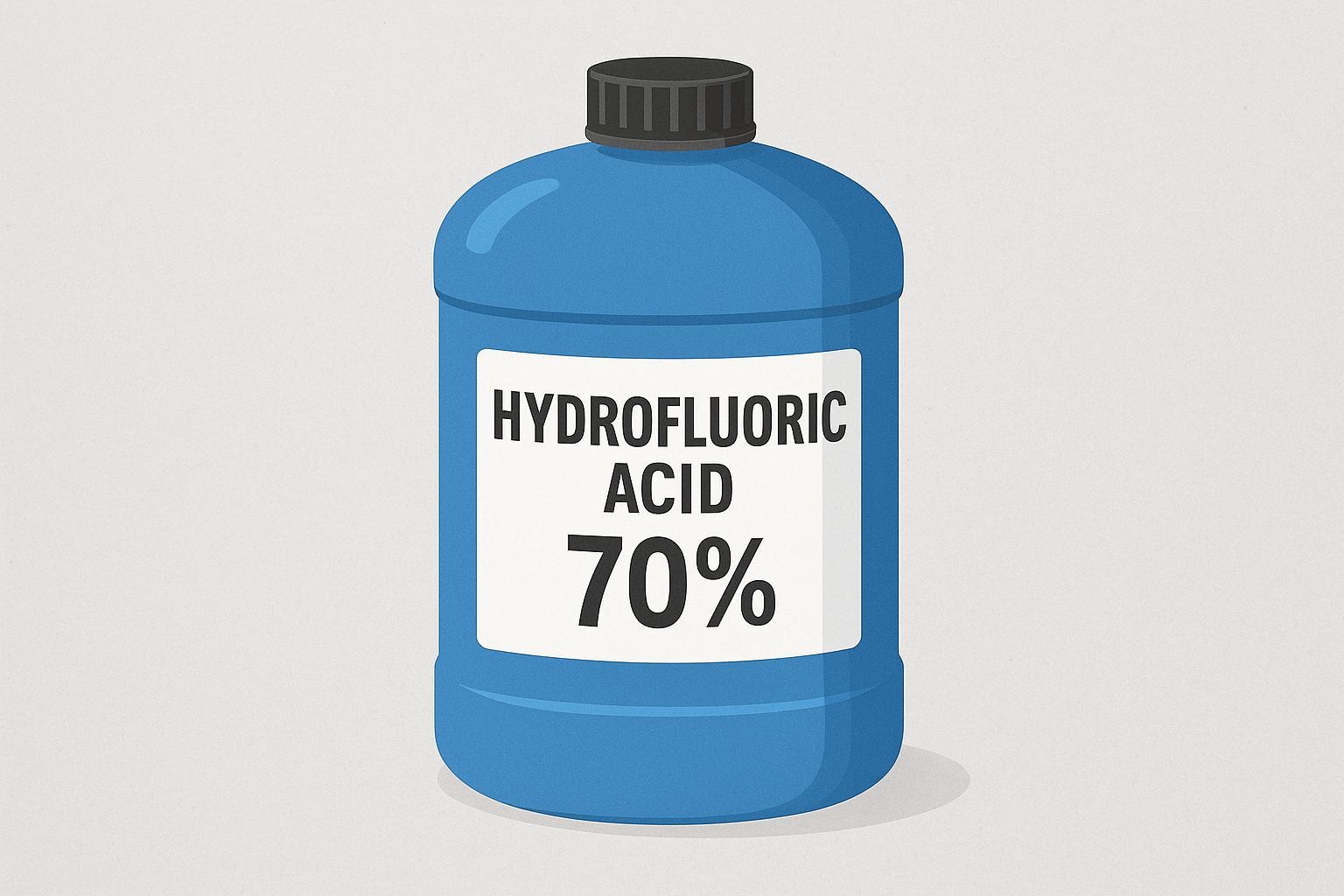
Discover why 70% hydrofluoric acid is preferred globally — balancing reactivity, safety, and cost-efficiency for glass, metal, and semiconductor industries.
Why International Buyers Prefer Purchasing Hydrofluoric Acid with 70% Concentration

FSSF Chemical leads you to discover the industrial uses of fluoroboric acid (HBF₄), including applications in electroplating, metal cleaning, catalysis, pharmaceuticals, and battery technology.
The Comprehensive Industrial Applications of Fluoroboric Acid (HBF4)