The Brilliance of Sodium Fluorosilicate: Unveiling its Enamel Enchantment
2023-11-03
Enamel, a smooth, hard, and protective surface coating, is commonly found on materials like ceramics,
glass, and metal. It is essential for preserving the integrity of these surfaces and enhancing their aesthetic
appeal. One key ingredient that plays a crucial role in enamel production is sodium fluorosilicate. In this article,
we will delve into the principles and wide-ranging applications of sodium fluorosilicate in enamel, explaining how
it functions and why it is indispensable in this field.
What is Sodium Fluorosilicate?
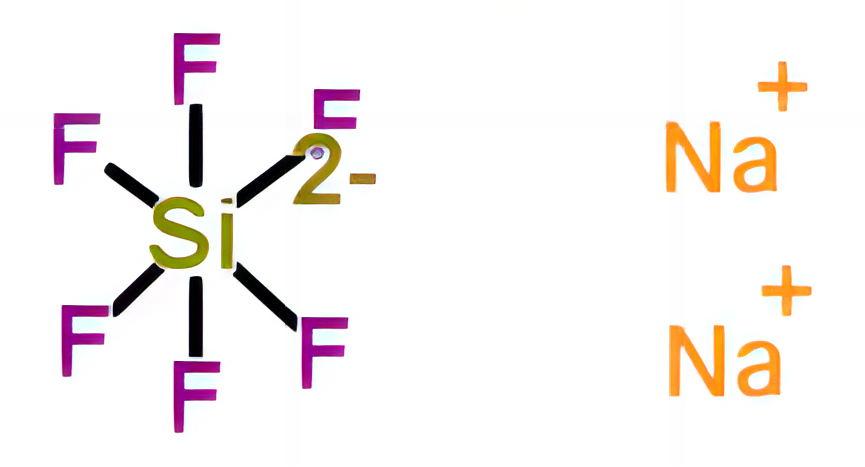
Sodium fluorosilicate, chemically represented as Na2SiF6, is a white crystalline powder derived from a reaction
between sodium fluoride (NaF) and silicon dioxide (SiO2). It is a versatile compound used in various industrial
applications, with a prominent role in enamel production. Its remarkable properties make it a preferred choice in
enamel formulation, but what exactly are these properties, and how do they work in enamel?
Principles of Sodium Fluorosilicate Application in Enamel
1、Fluoride Ions for Resistance
One of the primary functions of sodium fluorosilicate in enamel is to provide fluoride ions. Fluoride ions play a crucial
role in enhancing the enamel's resistance to acidic attacks and preventing tooth decay. In enamel applications,
sodium fluorosilicate releases fluoride ions when the enamel surface is exposed to acidic conditions. These ions react
with the hydroxyapatite crystals in enamel, forming a more resistant compound known as fluorapatite.
Fluorapatite is less soluble in acidic environments compared to hydroxyapatite, making the enamel surface less prone
to erosion. This chemical conversion process, known as fluoridation, significantly improves the enamel's ability to withstand
the daily challenges of acidic food and drinks.
2、Reinforcement of Enamel
Enamel is naturally strong, but it can still be prone to chipping or cracking, especially when subjected to mechanical stress
or temperature changes. Sodium fluorosilicate, when added to the enamel formulation, helps to reinforce the enamel structure.
It achieves this through the formation of silicofluoride compounds, which contribute to the enamel's durability and resilience.
3、Color Stability
Enamel coatings are not only about protection but also aesthetics. The color stability of enamel is crucial for maintaining the
desired appearance of the coated surface. Sodium fluorosilicate helps in achieving this by providing color stability to the enamel.
It prevents discoloration and ensures that the enamel maintains its attractive appearance over time.
4、Lower Melting Point
The application of enamel involves heating the material to a specific temperature to create a smooth, glassy surface. Sodium fluorosilicate
can lower the melting point of the enamel, making it easier to work with. This characteristic is particularly advantageous in industrial
applications where precise temperature control is essential for achieving the desired enamel finish.
Applications of Sodium Fluorosilicate in Enamel
- Porcelain Enamel
Porcelain enamel, also known as vitreous enamel, is a popular application of sodium fluorosilicate. It is widely used in various products,
including cookware, sinks, bathtubs, and electrical insulators. The addition of sodium fluorosilicate enhances the enamel's resistance to
staining, chipping, and thermal shock. This makes it suitable for items that endure daily wear and tear.
- Glass Enamel
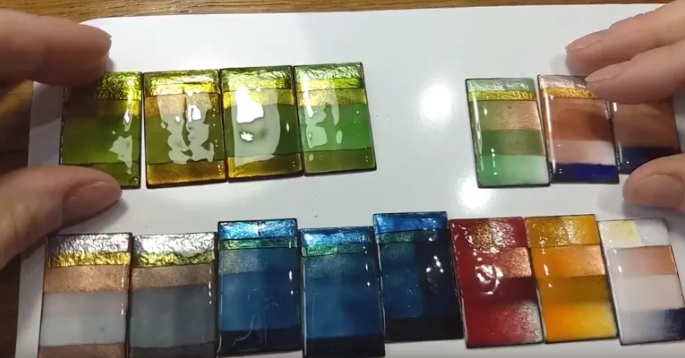
Glass enamel, also known as glass frit enamel, is a specialized application where sodium fluorosilicate is used to create a glassy coating on
glass surfaces. It is employed in the production of decorative glassware, such as stained glass windows and art glass. The addition of
sodium fluorosilicate enhances the adhesion of the enamel to the glass, resulting in durable, attractive, and vibrant designs.
- Metal Enamel
Sodium fluorosilicate is also a key component in metal enamel, a type of enamel coating used on metal surfaces. This type of enamel
provides protection against corrosion and rust. It is commonly used for items like household appliances, architectural elements, and
signage, where durability and aesthetic appeal are essential.
- Industrial Enamel
In industrial settings, sodium fluorosilicate-enriched enamel is used to coat steel surfaces, pipes, and tanks. This protective layer prevents
corrosion and extends the lifespan of industrial equipment. The addition of sodium fluorosilicate improves the enamel's resistance to chemicals,
abrasion, and temperature variations, making it ideal for harsh industrial conditions.
- Dental Enamel
Dental enamel is perhaps one of the most well-known applications of sodium fluorosilicate. Dentists often use fluoride treatments to strengthen
tooth enamel and protect against cavities. Sodium fluorosilicate, when applied in dental procedures, helps to fortify and protect teeth against decay,
showcasing the versatility of this compound.

Sodium fluorosilicate is a remarkable compound with a wide range of applications, particularly in enamel production. Its ability to enhance enamel
resistance, provide color stability, and lower the melting point makes it an indispensable ingredient in creating protective and aesthetically pleasing
coatings. From porcelain and glass to metal and dental enamel, the applications of sodium fluorosilicate continue to improve the durability and visual
appeal of various products. It is important to use sodium fluorosilicate responsibly to harness its benefits while minimizing its impact on the environment.
The Hidden Power of Sodium Bifluoride in Metal Cleansing and Etching
The Practical Application of Zinc Fluorosilicate in Protective Glass
Related Article
Discover why 70% hydrofluoric acid is preferred globally — balancing reactivity, safety, and cost-efficiency for glass, metal, and semiconductor industries.
Why International Buyers Prefer Purchasing Hydrofluoric Acid with 70% Concentration

FSSF Chemical leads you to discover the industrial uses of fluoroboric acid (HBF₄), including applications in electroplating, metal cleaning, catalysis, pharmaceuticals, and battery technology.
The Comprehensive Industrial Applications of Fluoroboric Acid (HBF4)