Sodium Fluoroborate in the Production of Electroformed Shells
2024-08-31
Electroforming is a precise metal manufacturing technique used to create intricate and durable metal shells with a high degree of accuracy.
It involves the deposition of metal onto a mold or mandrel via an electrolytic process. One of the critical substances used in this process is
Sodium Fluoroborate (NaBF4). This compound plays a crucial role in enhancing the efficiency and quality of electroformed shells in various
industrial applications.

Understanding Electroforming
Before diving into the specific role of Sodium Fluoroborate, it is essential to understand the basics of electroforming. The process begins with
a conductive mold that is submerged in an electrolyte solution containing metal ions. When an electric current is passed through the solution,
metal ions are attracted to the mold, where they deposit layer by layer, forming a solid metal shell. Once the desired thickness is achieved, the
mold is removed, leaving behind a freestanding metal structure.
Electroforming is widely used in industries requiring precision metal components, such as aerospace, electronics, and decorative arts. The resulting
shells are characterized by their high surface finish, excellent dimensional accuracy, and fine detail reproduction.
The Chemistry of Sodium Fluoroborate
Sodium Fluoroborate (NaBF4) is a white crystalline compound that is highly soluble in water. In electroforming, it serves as an additive in the electrolyte
solution, playing a critical role in controlling the deposition process. The compound is known for its ability to form stable complexes with metal ions, particularly
those of nickel and copper, which are commonly used in electroforming.
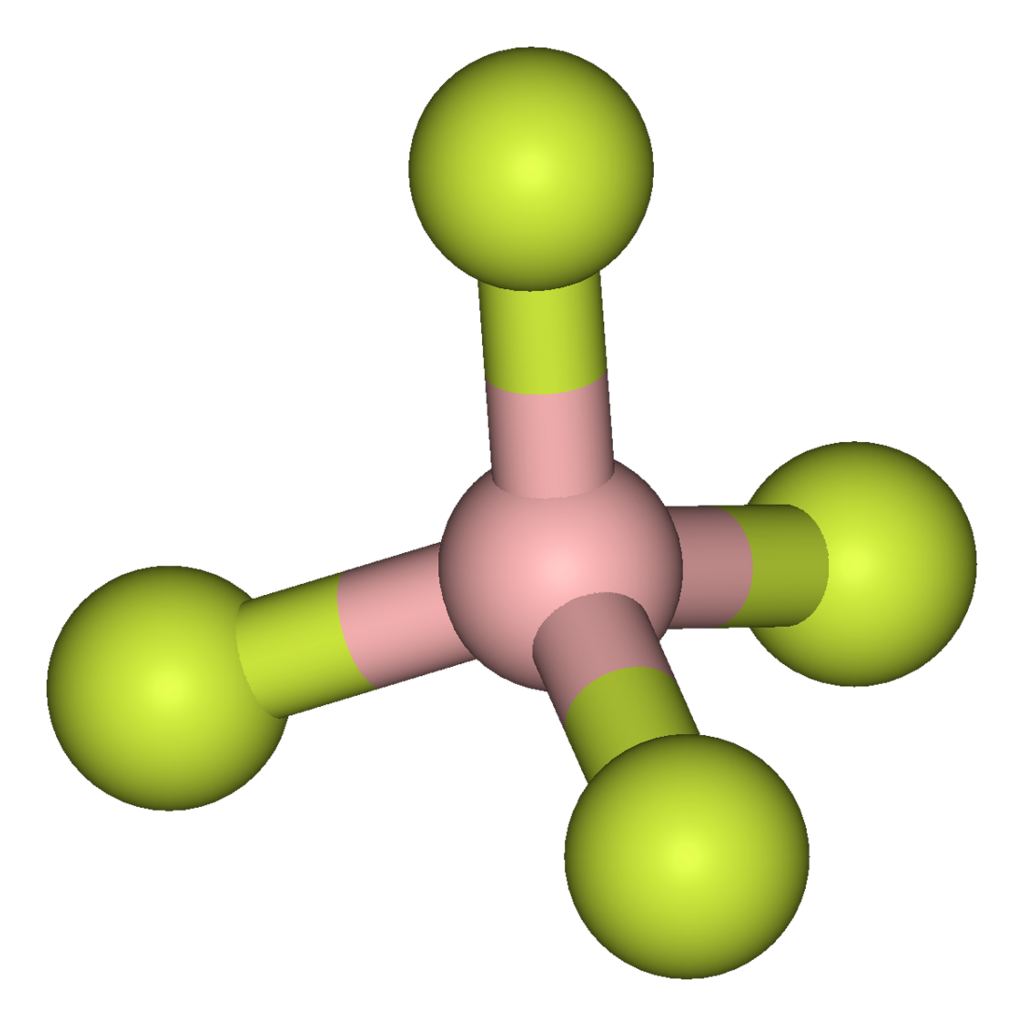
The chemical formula of Sodium Fluoroborate is NaBF4, where the boron atom is bonded to four fluorine atoms, creating a tetrahedral structure. This
unique arrangement allows it to interact effectively with metal ions in solution, influencing their behavior during electrolysis.
Enhancing Electrolyte Stability
One of the primary functions of Sodium Fluoroborate in electroforming is to stabilize the electrolyte solution. During the electroforming process, the electrolyte
must maintain a consistent concentration of metal ions to ensure uniform deposition. However, fluctuations in ion concentration can occur due to various factors,
such as temperature changes, impurities, and the electrochemical reactions taking place at the electrodes.
Sodium Fluoroborate helps mitigate these fluctuations by forming complexes with the metal ions in the solution. These complexes are more stable than the free
ions, reducing the likelihood of precipitation or other undesirable side reactions. As a result, the electrolyte remains stable over longer periods, leading to more
consistent and reliable electroforming.
Improving Metal Deposition
In addition to stabilizing the electrolyte, Sodium Fluoroborate also directly influences the deposition process. The compound’s ability to form complexes with
metal ions allows for more controlled and uniform metal deposition. This is particularly important in electroforming, where even slight variations in deposition
rate can result in defects such as uneven thickness, rough surfaces, or poor adhesion.
By regulating the availability of metal ions in the solution, Sodium Fluoroborate ensures that the metal deposits evenly across the entire surface of the mold.
This leads to the formation of smooth, defect-free shells with high structural integrity. The uniformity of the deposited metal layers also enhances the
mechanical properties of the electroformed shell, making it more resistant to stress and deformation.
Reducing Impurities and Defects
Impurities and defects are significant concerns in electroforming, as they can compromise the quality and performance of the final product. Impurities
in the electrolyte solution can lead to the formation of unwanted by-products, while defects in the metal layer can cause weak spots or irregularities in
the electroformed shell.
Sodium Fluoroborate plays a vital role in minimizing these issues. The compound’s complexing properties help prevent the accumulation of impurities
in the electrolyte by binding with potential contaminants and preventing them from interfering with the metal deposition process. Additionally, the
controlled release of metal ions facilitated by Sodium Fluoroborate reduces the likelihood of defects forming during electroforming.
As a result, the use of Sodium Fluoroborate leads to cleaner, higher-quality electroformed shells with fewer impurities and defects. This is particularly
beneficial in industries where precision and reliability are paramount, such as the manufacture of aerospace components or high-performance electronics.
Optimizing Electroforming Conditions
The effectiveness of the electroforming process is highly dependent on the operating conditions, including temperature, current density, and electrolyte
composition. Sodium Fluoroborate is known for its versatility, as it performs well across a wide range of electroforming conditions. Its stability and
complexing ability make it an ideal additive for maintaining consistent performance, even under varying temperatures or current densities.
For instance, in nickel electroforming, Sodium Fluoroborate can be used to enhance the deposition process at both low and high current densities.
At low current densities, it helps prevent the formation of rough, dendritic deposits, while at high current densities, it reduces the risk of burning or
pitting. This flexibility allows manufacturers to optimize their electroforming processes for different applications, achieving the best possible results
for each specific use case.
Applications of Electroformed Shells
The electroformed shells produced using Sodium Fluoroborate find applications in a wide range of industries. Some of the most notable include:
● Aerospace: Electroformed nickel shells are used to create lightweight, high-strength components for aircraft and spacecraft. These shells often
have complex geometries that are difficult to achieve with traditional manufacturing methods.
● Electronics: Electroforming is used to produce precise, intricate metal components for electronic devices, such as waveguides, connectors,
and shielding.
● Medical Devices: The high precision and biocompatibility of electroformed metals make them ideal for medical devices, such as surgical
instruments and implantable components.
● Decorative Arts: Electroforming is also used in the creation of fine art and jewelry, where the ability to replicate intricate details in metal is
highly valued.
Sodium Fluoroborate (NaBF4) plays a crucial role in the production of electroformed shells in the industrial sector. Its ability to stabilize the
electrolyte solution, improve metal deposition, reduce impurities, and optimize electroforming conditions makes it an invaluable additive in the
electroforming process. The resulting electroformed shells are characterized by their high quality, precision, and durability, making them suitable
for use in a wide range of demanding applications. As electroforming technology continues to evolve, the importance of compounds like Sodium
Fluoroborate in achieving superior results will only grow, further solidifying its place in modern manufacturing.
The Role of Aluminum Fluoride in Aluminum Production
The Role of Sodium Fluoroaluminate in Manufacturing Outdoor Equipment
Related Article
Discover why 70% hydrofluoric acid is preferred globally — balancing reactivity, safety, and cost-efficiency for glass, metal, and semiconductor industries.
Why International Buyers Prefer Purchasing Hydrofluoric Acid with 70% Concentration
FSSF Chemical leads you to discover the industrial uses of fluoroboric acid (HBF₄), including applications in electroplating, metal cleaning, catalysis, pharmaceuticals, and battery technology.
The Comprehensive Industrial Applications of Fluoroboric Acid (HBF4)