Sodium Fluoride as an Insecticide
2024-07-15
Sodium fluoride (NaF) is a chemical compound widely recognized for its use in dental care products to prevent cavities. However, its applications
extend beyond oral health, including its role as an insecticide. The utilization of sodium fluoride as an insecticide is based on its toxicity to various
pests, offering an effective means to control and eliminate these unwanted organisms in both residential and commercial settings.
Historical Background
The use of sodium fluoride as an insecticide dates back to the early 20th century. It was initially employed to control cockroaches and other household
pests. Over the decades, its effectiveness and relatively low cost made it a popular choice for pest control. The compound's ability to disrupt the physiological
processes of insects and rodents has solidified its place in the arsenal of pest control agents.
Chemical Properties and Toxicity
Sodium fluoride is a colorless, crystalline solid that is highly soluble in water. Its chemical stability and solubility are key factors that contribute to its efficacy
as an insecticide. When ingested by insects, sodium fluoride interferes with their metabolic processes, leading to their death.
Mechanism of Action:
1、Enzymatic Disruption:
Sodium fluoride disrupts enzyme activity in insects. Fluoride ions inhibit enzymes crucial for energy production and metabolic processes. One of the primary
targets is the enzyme enolase, which plays a vital role in glycolysis. By inhibiting enolase, sodium fluoride disrupts the insect's ability to generate ATP, the energy
currency of the cell, leading to energy depletion and death.
2、Neurological Impact:
Fluoride ions affect the nervous system of insects. They interfere with nerve signal transmission, causing paralysis and eventually death. This neurological
disruption is particularly effective against pests like cockroaches and ants, which rely heavily on coordinated movement and communication.
3、Digestive Interference:
Ingested sodium fluoride affects the digestive systems of insects. It interferes with the absorption of essential nutrients, leading to malnutrition and death. The
compound’s abrasive nature can also cause physical damage to the gut lining of insects, exacerbating its lethal effects.
Applications in Pest Control
Household Use:
In residential settings, sodium fluoride is commonly used to control cockroaches, ants, and other common household pests. It is often formulated into baits or dusts
that attract insects. Once ingested or contacted, the sodium fluoride exerts its toxic effects, leading to the pest’s demise.

Bait Formulations:
● Solid Baits:
Solid baits containing sodium fluoride are designed to be ingested by pests. These baits are typically placed in areas where pests are known to forage, such as kitchen
cabinets, under sinks, and around garbage disposal areas.
● Dusts:
Sodium fluoride dusts are applied to cracks, crevices, and other hiding spots frequented by pests. The dust adheres to the exoskeletons of insects, leading to ingestion
during grooming activities.
Commercial and Agricultural Use:
In commercial and agricultural settings, sodium fluoride is used to control a broader range of pests. It can be applied in food processing facilities, storage areas, and
agricultural fields to protect crops and stored products from insect damage.
Sodium fluoride's use as an insecticide showcases its versatility beyond its well-known application in dental care. Its ability to disrupt the metabolic, neurological, and
digestive systems of pests makes it an effective tool for controlling various unwanted organisms in both residential and commercial environments. From its historical
roots in the early 20th century to its present-day applications, sodium fluoride has proven to be a cost-effective and reliable choice for pest control. However, while its
benefits are substantial, the potential risks to human health and the environment necessitate careful handling and strict adherence to safety guidelines. As pest management
practices continue to evolve, sodium fluoride will likely remain a valuable component of integrated pest management strategies, balancing efficacy with safety and environmental
responsibility.
Nickel Fluoride in Magnetic Storage Devices
Ammonium Fluoroborate in Supercapacitor Electrolytes
Related Article
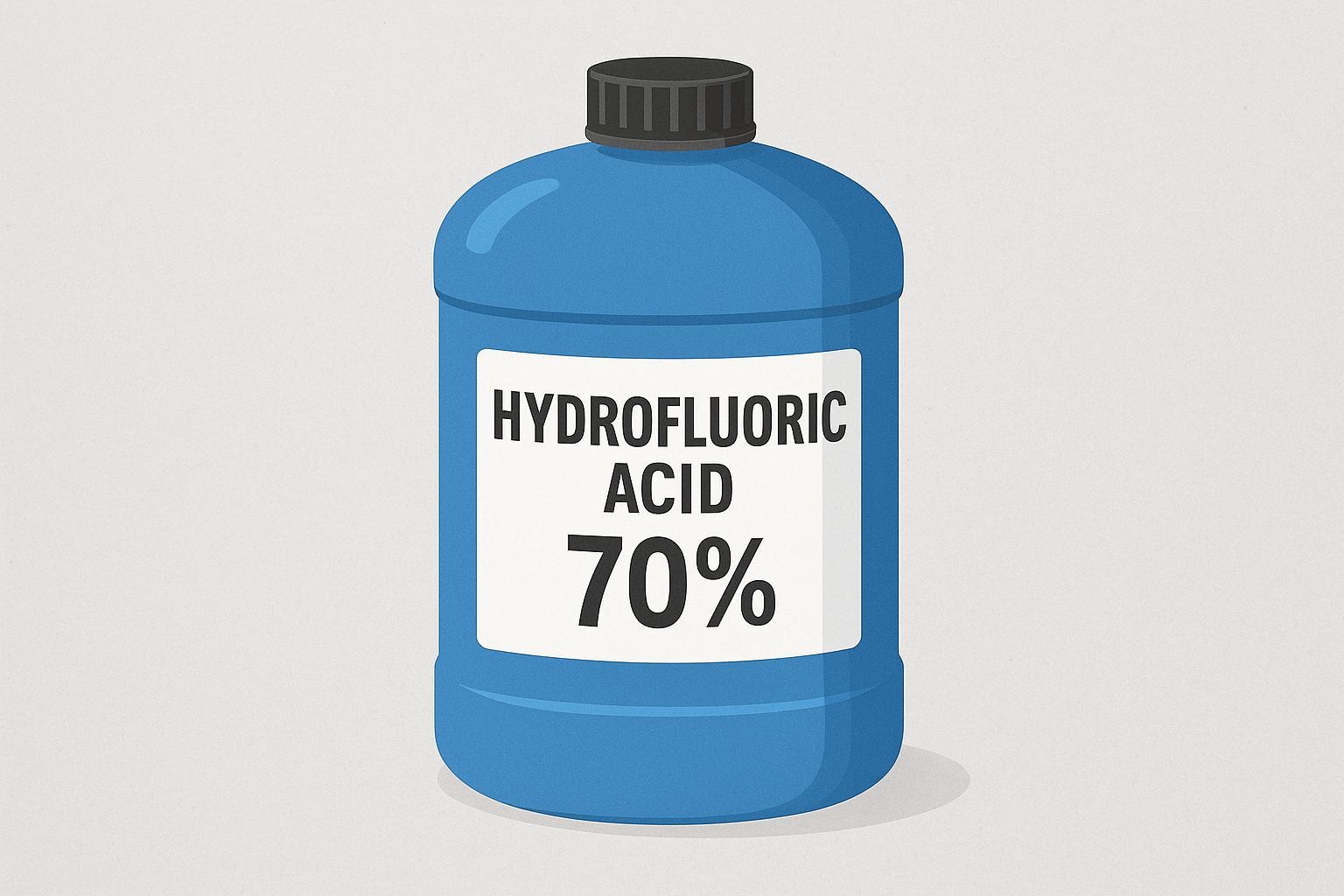
Discover why 70% hydrofluoric acid is preferred globally — balancing reactivity, safety, and cost-efficiency for glass, metal, and semiconductor industries.
Why International Buyers Prefer Purchasing Hydrofluoric Acid with 70% Concentration

FSSF Chemical leads you to discover the industrial uses of fluoroboric acid (HBF₄), including applications in electroplating, metal cleaning, catalysis, pharmaceuticals, and battery technology.
The Comprehensive Industrial Applications of Fluoroboric Acid (HBF4)