The Wonder of Sodium Fluoride: How It Acts as a Setting Accelerator and Its Applications
2023-10-05
Sodium fluoride, a simple chemical compound consisting of sodium and fluorine atoms,
may seem unremarkable at first glance. However, in the world of ceramics and glass manufacturing,
it plays a vital role as a setting accelerator. In this article, we will delve into the fascinating realm of
sodium fluoride, exploring how it functions as a setting accelerator and its diverse range of applications.
What is Sodium Fluoride?
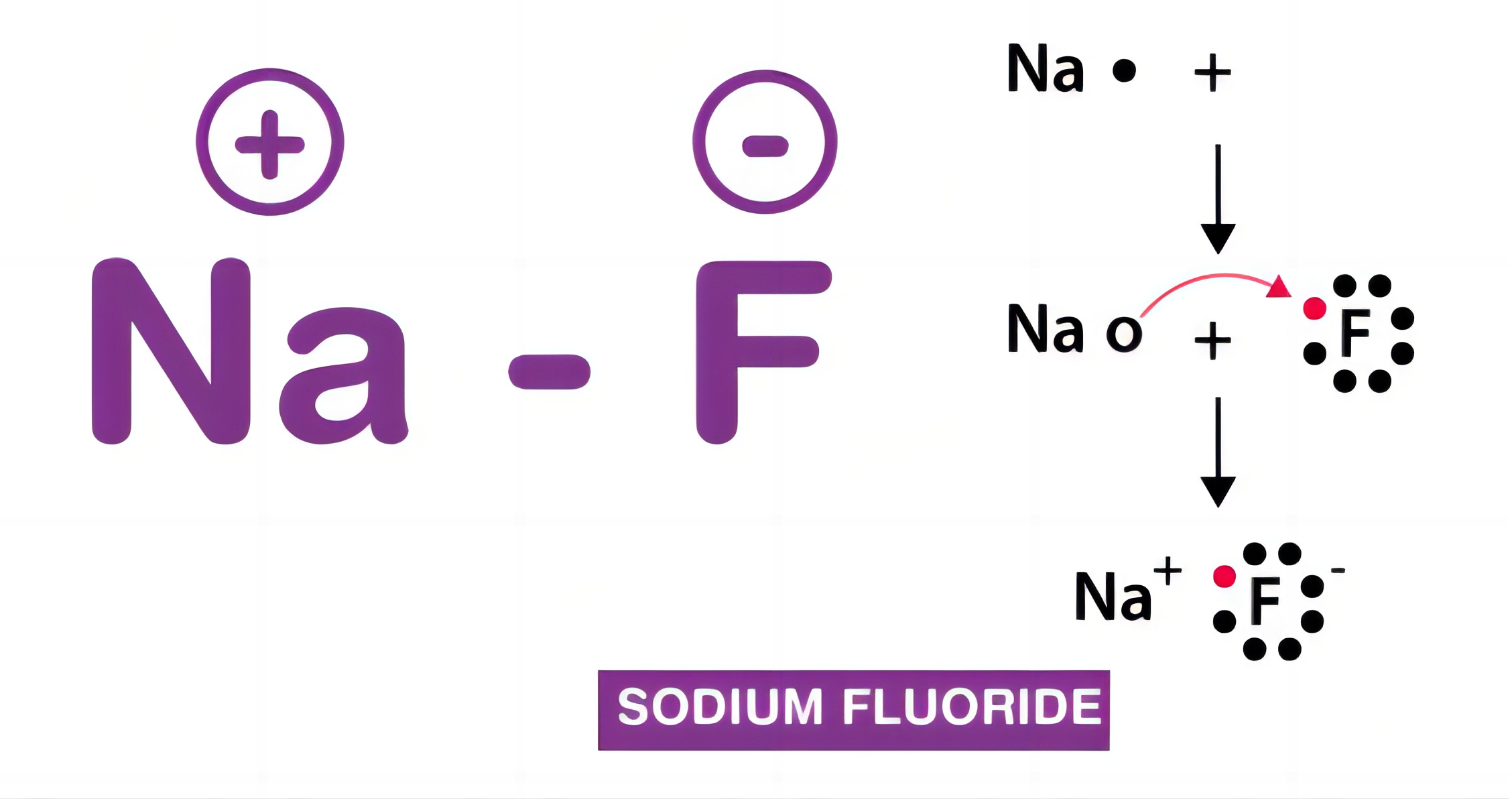
Sodium fluoride (NaF) is an inorganic compound known for its white crystalline appearance. It is most commonly
recognized as an ingredient in toothpaste due to its role in dental health. Beyond this, it serves various purposes
across different industries, including its prominent role as a setting accelerator in ceramics and glass production.
The Magic of Setting Accelerators
Setting accelerators are substances that expedite the solidification or hardening of materials. In the context
of ceramics and glass, setting accelerators play a pivotal role in enhancing the manufacturing process. Sodium fluoride
acts as a setting accelerator by influencing the properties of ceramic and glass materials during their formation.
How Sodium Fluoride Functions as a Setting Accelerator
1、Lowering the Melting Point: One of the key mechanisms by which sodium fluoride accelerates the setting of
ceramics and glass is by lowering their melting points. When sodium fluoride is introduced into the raw materials
mixture, it reacts with other compounds, resulting in a reduction in the overall melting point of the mixture. This
makes it easier to achieve the required temperature for the fusion of materials, reducing energy consumption in the process.
2、Improved Flowability: Sodium fluoride enhances the flowability of the materials, making them more amenable to
shaping and molding. This improved flowability ensures that the ceramic or glass can be shaped with greater precision,
resulting in high-quality end products.
3、Controlling Crystal Growth: Sodium fluoride also plays a crucial role in controlling the crystallization process.
By carefully adjusting the amount of sodium fluoride added and the firing conditions, manufacturers can manipulate the
size and shape of crystals within the ceramic or glass. This level of control is essential for tailoring the material's final properties
to specific applications.
Applications of Sodium Fluoride as a Setting Accelerator
Now that we understand how sodium fluoride functions as a setting accelerator, let's explore its wide-ranging applications in
ceramics and glass manufacturing:
1、Glass Production
Sodium fluoride is commonly used in glass manufacturing to reduce the melting point of raw materials and improve the flow
of molten glass. This results in a more efficient and cost-effective glass production process. It is especially valuable in the
production of high-quality optical glass used in lenses, windows, and camera lenses, where precise control of optical properties is crucial.

2、Ceramic Tiles and Tableware
In the ceramic industry, sodium fluoride is employed in the production of ceramic tiles, tableware, and sanitaryware. By
accelerating the setting process, it allows for faster production cycles, reducing manufacturing time and costs. The controlled
crystallization enabled by sodium fluoride also enhances the strength and durability of ceramic products.
3、Advanced Ceramics
Advanced ceramics, such as those used in the aerospace and electronics industries, benefit from sodium fluoride's
setting acceleration properties. These ceramics require meticulous control over crystalline structures to achieve specific
mechanical and electrical properties, which sodium fluoride helps achieve.
4、Glass Fiber Reinforced Plastics (GFRP)
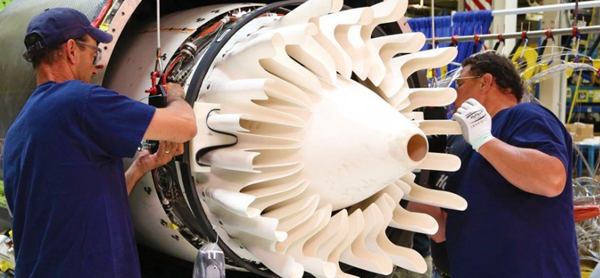
Sodium fluoride is used in the production of glass fiber reinforced plastics (GFRP), commonly known as fiberglass. GFRP is
renowned for its strength and corrosion resistance, making it ideal for applications like boat hulls, storage tanks, wind turbine
blades, and automotive components. Sodium fluoride aids in the rapid curing of the resin, ensuring the fiberglass maintains its
structural integrity.
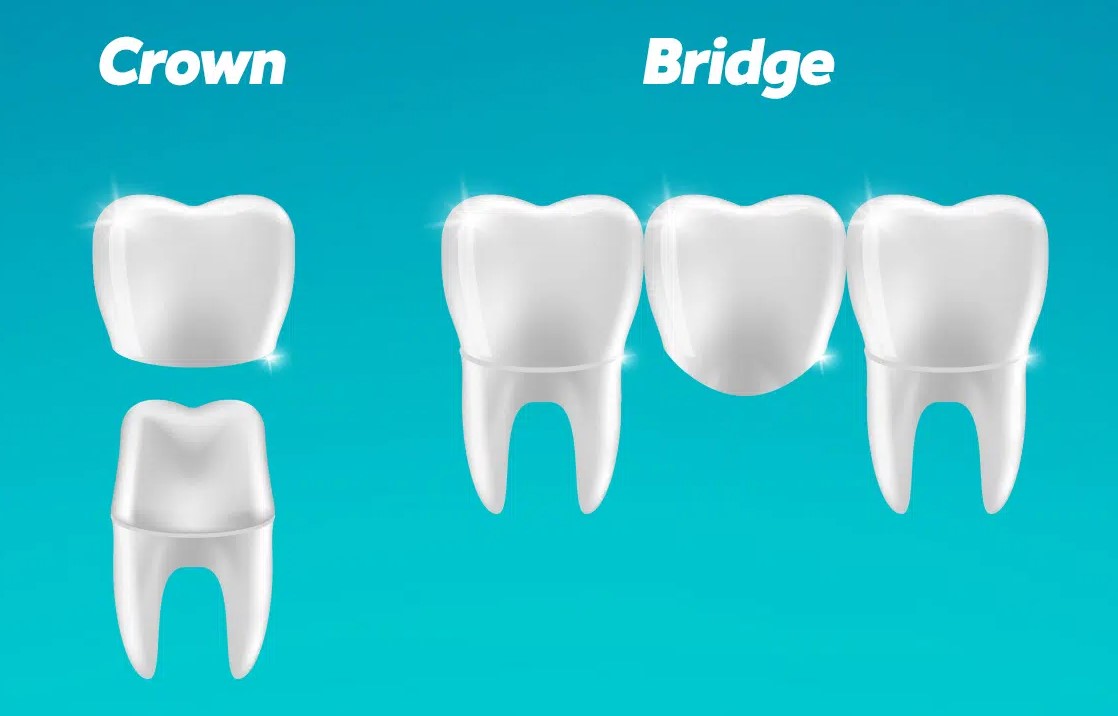
5、Dental Ceramics
In the field of dentistry, sodium fluoride finds application in the production of dental ceramics used for crowns, bridges, and
other dental prosthetics. Its setting acceleration properties allow for the efficient fabrication of custom dental restorations,
contributing to improved patient care.
Sodium fluoride's role as a setting accelerator in ceramics and glass manufacturing showcases the remarkable synergy between
chemistry and industry. By lowering melting points, improving flowability, and controlling crystal growth, sodium fluoride enhances
the efficiency and quality of a wide range of products. From everyday glassware to cutting-edge aerospace components, its applications
are diverse and far-reaching. However, responsible handling and safety precautions are paramount when working with this compound.
Sodium fluoride, often hidden in the background, emerges as a true hero in the world of materials science and manufacturing.
Exploring the Diverse Uses of Potassium Fluotitanate in the Metal Industry
Fluoroboric Acid: Revolutionizing Oil Production Through Science and Sustainability
Related Article
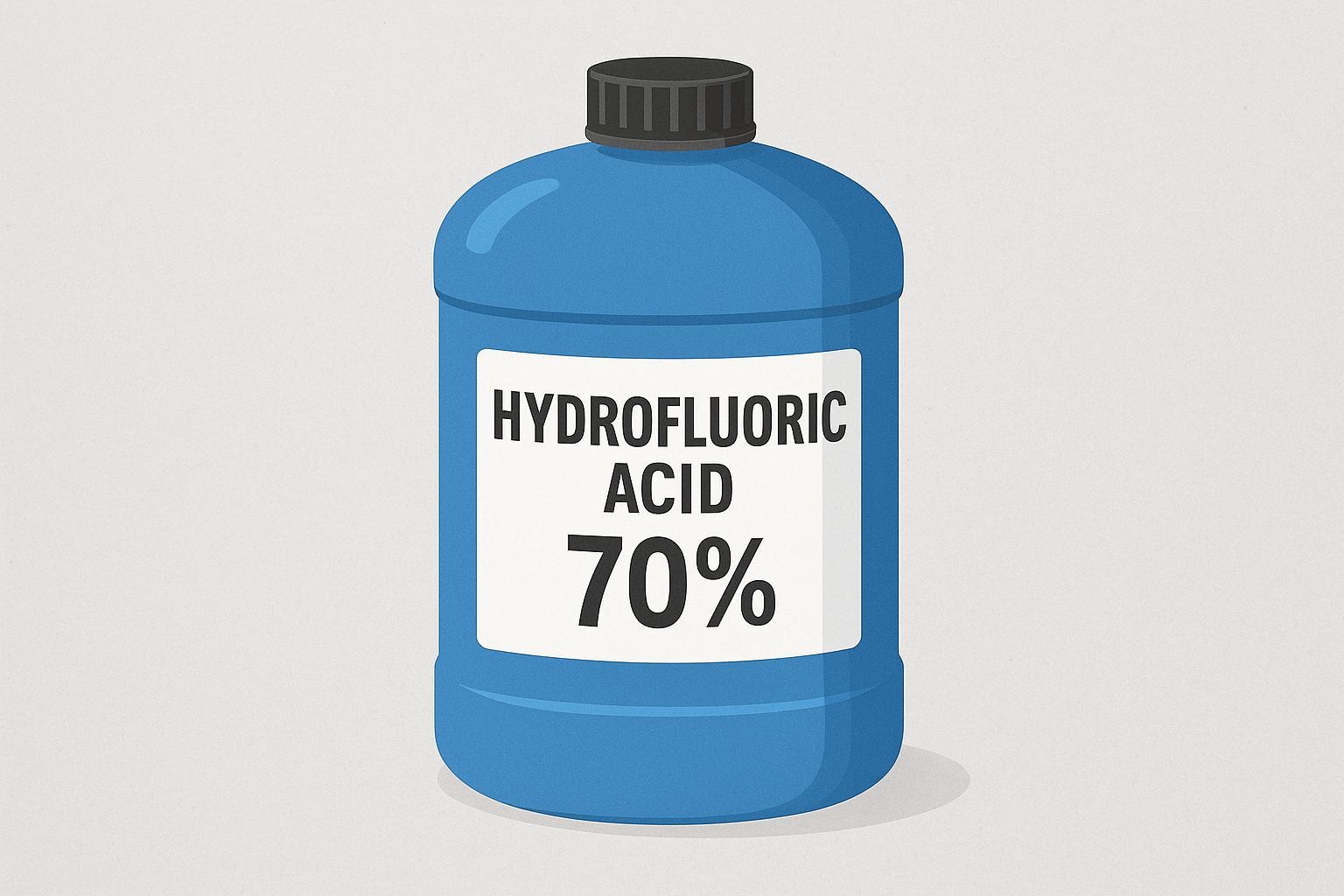
Discover why 70% hydrofluoric acid is preferred globally — balancing reactivity, safety, and cost-efficiency for glass, metal, and semiconductor industries.
Why International Buyers Prefer Purchasing Hydrofluoric Acid with 70% Concentration

FSSF Chemical leads you to discover the industrial uses of fluoroboric acid (HBF₄), including applications in electroplating, metal cleaning, catalysis, pharmaceuticals, and battery technology.
The Comprehensive Industrial Applications of Fluoroboric Acid (HBF4)