Preserving Wood with Ammonium Fluorosilicate
2023-11-24
Wood preservation is a crucial aspect of ensuring the longevity and durability of wooden structures. Among the various
methods available, the use of ammonium hexafluorosilicate, commonly known as ammonium fluorosilicate or
NH4F·nH2SiF6, has gained attention as an effective and environmentally friendly wood preservative.

Understanding Ammonium Fluorosilicate
Ammonium fluorosilicate is an inorganic salt that has found application in preserving wood due to its unique properties.
It is a compound derived from ammonium, fluorine, and silicon, creating a synergistic effect that enhances wood's resistance
to decay, fungi, and insect infestations.
How does it work?
The process of using ammonium fluorosilicate as a wood preservative involves several key steps:
1、Pre-treatment: Before the application of the preservative, the wood undergoes a pre-treatment phase.
This typically involves cleaning the wood surface to remove impurities and contaminants. Techniques such as
brushing, spraying, or soaking may be employed.
2、Impregnation: Ammonium fluorosilicate is applied to the wood surface as a solution. This can be achieved
by immersing the wood in a solution of the preservative or by using brushes, sprayers, or other application methods.
The duration of impregnation and the temperature can influence the effectiveness of the treatment.
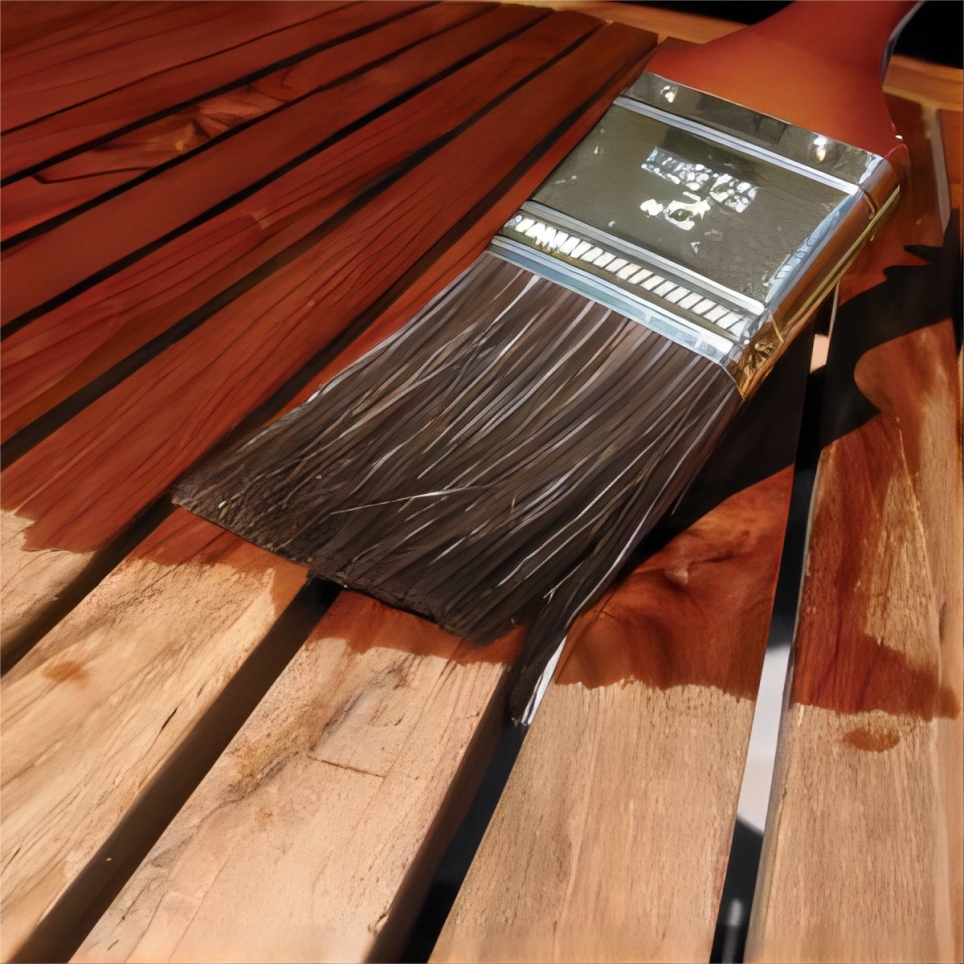
3、Drying: Once treated, the wood must undergo thorough drying to ensure the preservative penetrates the wood
structure and becomes firmly fixed. Proper drying, often through air-drying or other methods, is essential for optimal results.
4、Curing: In some cases, a curing process may be employed to further enhance the preservative's effectiveness. Curing
ensures that the preservative is securely fixed within the wood structure, minimizing the risk of leaching.
Benefits of Ammonium Fluorosilicate as a Wood Preservative
● Effective Preservation: Ammonium fluorosilicate alters the chemical structure of wood, providing enhanced resistance to
fungi and insects. This significantly extends the lifespan of the wood.
● Environmentally Friendly: Compared to traditional wood preservatives containing organic solvents or heavy metals,
ammonium fluorosilicate is considered more environmentally friendly.
● Minimal Impact on Wood Appearance: Unlike some preservatives that may alter the color or texture of wood,
ammonium fluorosilicate has a relatively minor impact, allowing the wood to maintain its natural appearance.
Safety Considerations
While ammonium fluorosilicate is regarded as a relatively safe wood preservative, it is essential to adhere to relevant
regulations and standards during its use. Proper safety measures should be followed to prevent harm to the environment
and human health.
In the realm of wood preservation, ammonium fluorosilicate stands out as a promising option, offering effective protection
against decay and insect damage. Its environmentally friendly nature and minimal impact on wood aesthetics make it an
attractive choice for those seeking a balance between longevity and sustainability in wooden structures. As research in wood
preservation continues, compounds like ammonium fluorosilicate contribute to the evolving landscape of innovative and eco-friendly
solutions for ensuring the enduring beauty and strength of wood.
Keeping Quartz Sand Bright: Preventing Yellowing after Hydrofluoric Acid Washing
The Industrial Application of Potassium Fluotitanate as Grain Refiners
Related Article
Discover why 70% hydrofluoric acid is preferred globally — balancing reactivity, safety, and cost-efficiency for glass, metal, and semiconductor industries.
Why International Buyers Prefer Purchasing Hydrofluoric Acid with 70% Concentration

FSSF Chemical leads you to discover the industrial uses of fluoroboric acid (HBF₄), including applications in electroplating, metal cleaning, catalysis, pharmaceuticals, and battery technology.
The Comprehensive Industrial Applications of Fluoroboric Acid (HBF4)