The Application of Potassium Tetrafluoroborate (KBF4) in the Electronics Industry
2024-10-24
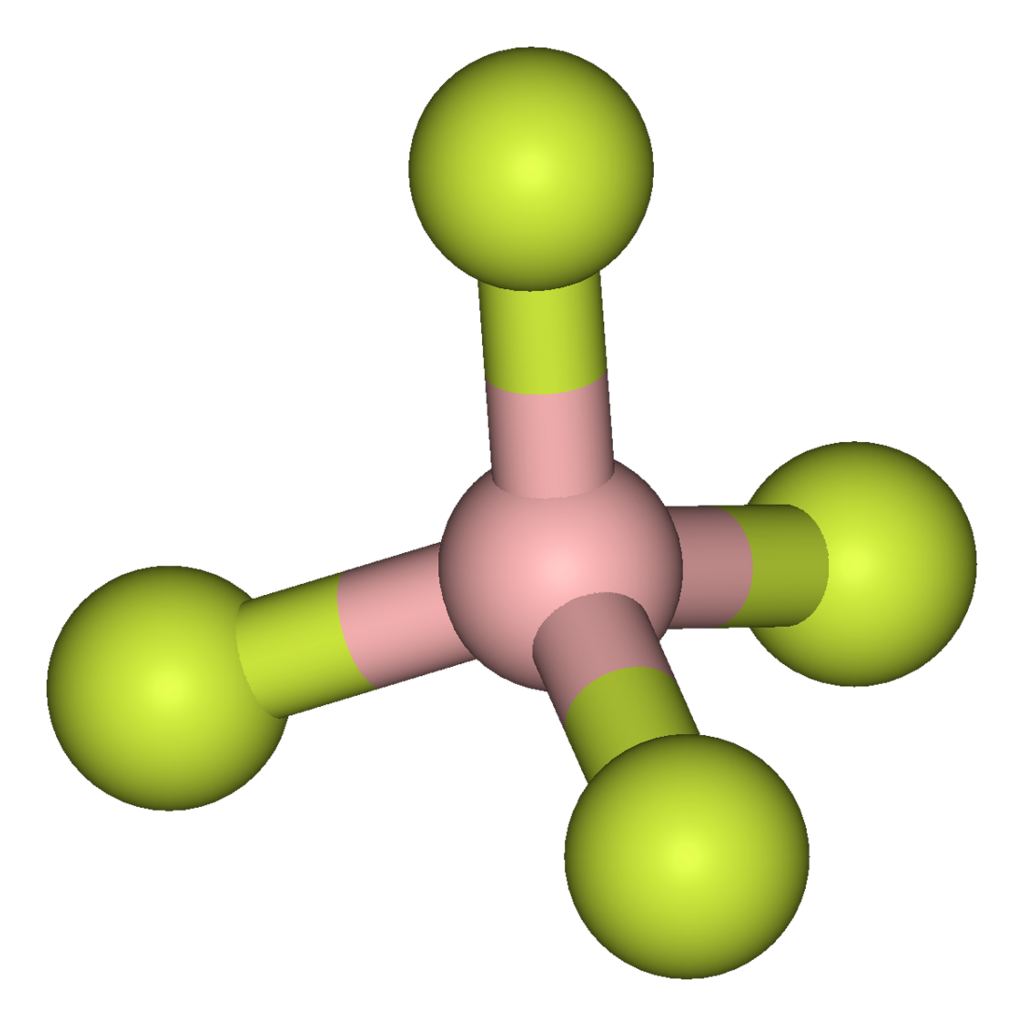
Potassium tetrafluoroborate (KBF4), a versatile and essential chemical compound, plays a significant role in various industrial applications, especially in the electronics sector.
This compound, which consists of potassium (K), boron (B), and fluorine (F), is well-known for its stability, chemical reactivity, and ability to interact with a wide range of materials.
These characteristics make it indispensable in the manufacturing processes of electronic devices and components. In this article, we will explore in detail how KBF4 is specifically
applied in the electronics industry, from semiconductor manufacturing to the production of electronic materials.

1、Production of High-Purity Boron Compounds
One of the primary applications of potassium tetrafluoroborate in electronics is in the production of high-purity boron compounds. Boron is a crucial element in the manufacturing
of semiconductors, as it serves as a dopant that can modify the electrical properties of semiconductor materials like silicon. Doping is the process of introducing a small amount of
an impurity (such as boron) into a pure semiconductor in order to change its conductivity characteristics.
KBF4 is often used as a source of boron in these processes because it can be easily decomposed to release boron in a highly controlled manner. The reaction of KBF4 with other
chemicals at elevated temperatures allows the release of boron atoms, which can then be incorporated into the semiconductor material. This method ensures a high degree of precision
in the doping process, which is critical for creating semiconductor devices with specific electrical characteristics.
2、Doping in Semiconductor Manufacturing
In the semiconductor industry, doping is an essential step in creating components such as diodes, transistors, and integrated circuits. Potassium tetrafluoroborate can be used as
a precursor in doping processes where boron atoms are implanted into a silicon wafer. The doping process changes the electrical conductivity of the silicon by adding charge
carriers—electrons or holes—depending on the type of dopant used.
When KBF4 is heated or chemically reacted, boron atoms are released and integrated into the silicon lattice. In p-type doping, boron atoms are added to the silicon to create
"holes" or positive charge carriers, which enhance the material's ability to conduct electricity under certain conditions. This process is fundamental in producing p-type semiconductors,
which are integral components of many modern electronic devices, including solar cells, transistors, and microchips.
The high purity of boron that can be derived from KBF4 is particularly important in semiconductor manufacturing, as even trace amounts of impurities can significantly alter
the performance of a semiconductor device. The use of KBF4 ensures that the boron doping process is both efficient and precise, leading to the production of high-quality
semiconductor components.
3、Etching and Cleaning Processes
Potassium tetrafluoroborate is also utilized in etching and cleaning processes within the electronics industry. During the fabrication of electronic components, particularly
integrated circuits, the etching process is used to remove unwanted layers from the surface of semiconductor wafers. This is typically done to create intricate patterns and
structures on the wafer that form the basis of electronic circuits.

KBF4 can be used as a component in etching solutions due to its ability to react with and dissolve specific materials. It can be combined with other chemicals to create a solution
that selectively etches away layers of material without damaging the underlying semiconductor structure. This selective etching is crucial for producing the tiny and complex features
that are found in modern microelectronic devices.
Additionally, KBF4 is used in the cleaning of semiconductor wafers. After various stages of processing, wafers must be thoroughly cleaned to remove contaminants that could
interfere with the performance of the final device. Potassium tetrafluoroborate, with its strong reactivity towards certain contaminants and residues, is used in cleaning solutions
to ensure that the wafer surfaces are free from unwanted materials. This cleaning step is critical in maintaining the integrity and performance of the electronic components that are
fabricated on the wafer.
4、Production of Soldering and Brazing Fluxes
KBF4 also finds application in the production of soldering and brazing fluxes used in electronics assembly. Fluxes are substances that help clean and prepare metal surfaces for
joining, ensuring a strong and reliable bond between components. In electronics, the use of flux is particularly important during the soldering process, where electronic components
are attached to printed circuit boards (PCBs).
Potassium tetrafluoroborate is an effective component of flux formulations because it promotes the removal of oxides and other contaminants from metal surfaces. It enhances the
flow of solder and improves the quality of the solder joints by preventing oxidation during the soldering process. High-quality solder joints are essential in electronic devices, as poor
connections can lead to device failure or reduced performance.
The ability of KBF4 to withstand high temperatures and maintain its chemical reactivity under such conditions makes it particularly useful in fluxes designed for high-temperature
soldering and brazing applications. This property is especially valuable in the assembly of high-performance electronic devices that operate under demanding conditions, such as
in aerospace or automotive electronics.
5、Advanced Electronic Materials
Beyond its role in semiconductor doping and manufacturing, potassium tetrafluoroborate is also involved in the development of advanced electronic materials. For example,
KBF4 is used in the synthesis of boron nitride (BN), a compound that has gained attention for its unique properties. Boron nitride is a highly thermally conductive and electrically
insulating material, making it an excellent candidate for use in electronic packaging and heat dissipation applications.
Boron nitride can be synthesized through the reaction of KBF4 with other nitrogen-containing compounds. The resulting material is often used as a thermal interface material in
electronic devices, helping to manage heat generated by components like processors and power transistors. Proper heat management is crucial in maintaining the performance
and longevity of electronic devices, and boron nitride-based materials offer a solution to this challenge.
In addition, KBF4 may be used in the development of other boron-containing materials that are being researched for potential applications in electronics. These materials include
boron carbide, borosilicate glasses, and various boron-based ceramics, which offer a range of properties such as high hardness, thermal stability, and chemical resistance—traits
that are valuable in certain specialized electronic applications.
Potassium tetrafluoroborate is a versatile chemical compound that plays a critical role in the electronics industry. From the precise doping of semiconductors to its involvement in
etching, cleaning, and flux production, KBF4 is essential to the fabrication and assembly of modern electronic devices. Additionally, its use in the development of advanced materials
like boron nitride highlights its continued importance in the advancement of electronic technologies.
As the demand for more sophisticated and efficient electronic devices grows, the role of chemicals like KBF4 in manufacturing processes will only become more crucial.
Understanding how these compounds are used in the electronics industry provides insight into the complex and highly specialized nature of modern electronic device production.
How Potassium Fluoride (KF) Enhances Welding and Brazing Processes
The Role of Ammonium Fluoride in Aluminum Surface Passivation: Enhancing Corrosion Resistance
Related Article
Discover why 70% hydrofluoric acid is preferred globally — balancing reactivity, safety, and cost-efficiency for glass, metal, and semiconductor industries.
Why International Buyers Prefer Purchasing Hydrofluoric Acid with 70% Concentration

FSSF Chemical leads you to discover the industrial uses of fluoroboric acid (HBF₄), including applications in electroplating, metal cleaning, catalysis, pharmaceuticals, and battery technology.
The Comprehensive Industrial Applications of Fluoroboric Acid (HBF4)