Potassium Fluoroaluminate as a Soldering Flux (A Comprehensive Guide)
2023-10-14
Soldering is a fundamental process in the world of electronics and metalwork. It involves joining
two or more metal components by melting a filler material, usually solder, at a relatively low temperature.
To achieve successful solder joints, the use of a soldering flux is critical. Potassium fluoroaluminate,
also known as potassium cryolite, is a versatile and effective soldering flux that aids in the soldering process.
In this article, we will explore what potassium fluoroaluminate is, how it works as a soldering flux, and its various applications.

Understanding Potassium Fluoroaluminate
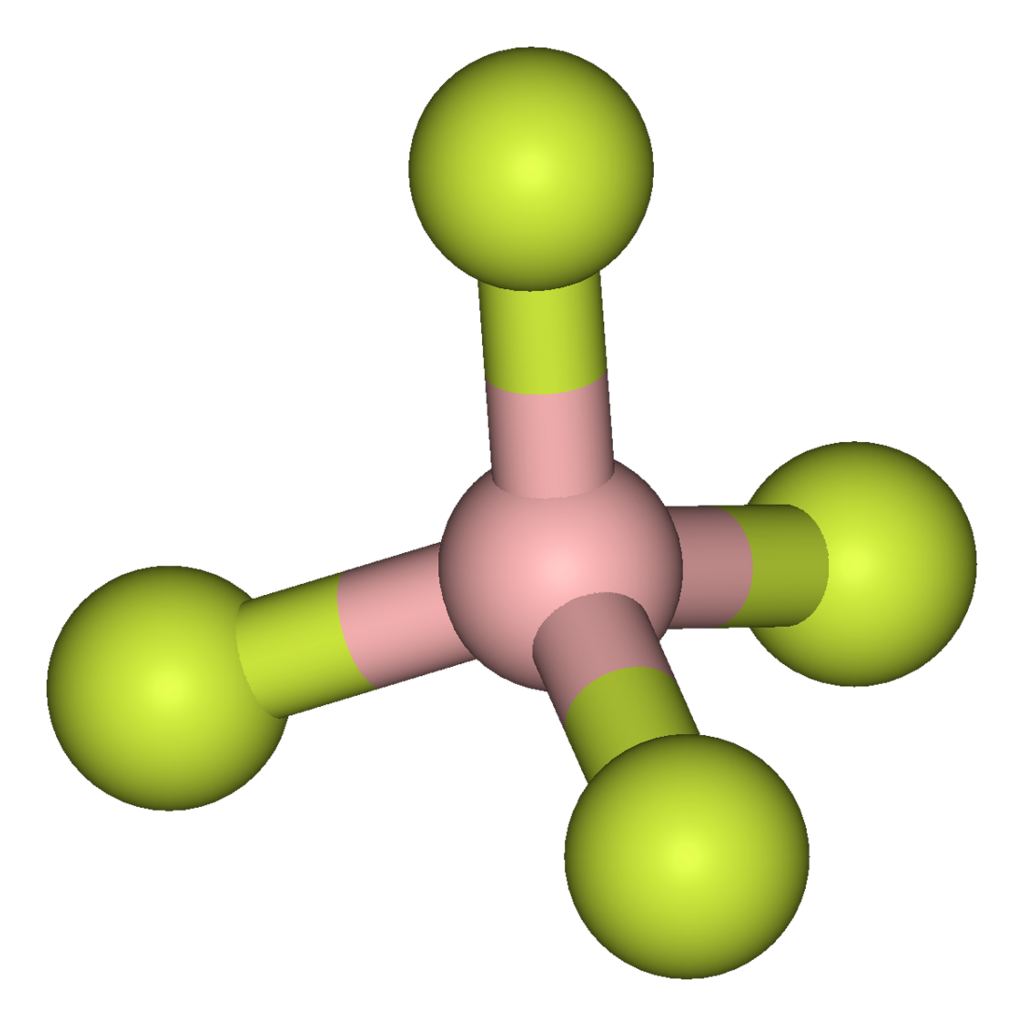
Potassium fluoroaluminate is a synthetic compound primarily composed of potassium, aluminum, and fluorine.
Its chemical formula is AlF4K, and it is commonly referred to as potassium cryolite due to its icy appearance.
It exists as a white crystalline powder and is readily soluble in water.
Properties of Potassium Fluoroaluminate
1、High Melting Point: Potassium fluoroaluminate has a high melting point, making it suitable for use in high-temperature applications.
2、Water Solubility: It dissolves easily in water, allowing it to function as a convenient and versatile flux.
3、Low Toxicity: Potassium fluoroaluminate is relatively non-toxic and poses minimal health risks when handled properly.
4、Thermal Stability: It exhibits excellent thermal stability, ensuring its effectiveness at elevated temperatures.
Potassium Fluoroaluminate as a Soldering Flux
Potassium fluoroaluminate is a popular choice for a soldering flux due to its unique properties that align with the functions of a flux.
Oxide Removal:
When potassium fluoroaluminate is applied to the metal surfaces to be soldered, it works by reacting with and removing oxides
present on the surfaces. This is particularly important in situations where the metal has been exposed to air and has developed
a layer of oxidation. By removing these oxides, the flux ensures that the solder can create a clean and robust bond with the metal.
Promoting Wetting:
The flux significantly reduces the surface tension of the molten solder. This reduction in surface tension allows the solder to flow
and spread more easily over the metal surfaces, promoting wetting. This is crucial for achieving strong and reliable solder joints,
as it ensures that the solder adheres uniformly to the metal, eliminating the formation of weak spots or voids in the joint.
Preventing Oxidation:
Potassium fluoroaluminate not only removes existing oxides but also acts as a protective barrier, preventing further oxidation during
the soldering process. This is particularly important when soldering at elevated temperatures, as the higher heat can accelerate the
oxidation of metal surfaces. The flux's ability to shield the metal surfaces maintains a clean, oxide-free environment for successful soldering.
Reducing Surface Tension:
By lowering the surface tension of the molten solder, the flux facilitates its flow into the joint, ensuring that it fills all the gaps and
crevices between the metal components being joined. This is essential for creating mechanically and electrically sound connections.
Applications of Potassium Fluoroaluminate as a Soldering Flux
Potassium fluoroaluminate is widely used as a soldering flux in various applications, including electronics, jewelry making, plumbing,
and more. Let's explore some of these applications in detail.
Plumbing:
Plumbers use soldering to connect pipes and fittings in residential and commercial plumbing systems. Potassium fluoroaluminate flux
is used to ensure leak-free connections by creating strong and secure soldered joints. It prevents oxidation and contamination inside
the plumbing system.

Electronics Assembly:
In electronics manufacturing and repair, soldering is a common process for connecting components on printed circuit boards (PCBs).
Potassium fluoroaluminate flux is employed to ensure the reliable and durable solder joints required in electronics. The flux's ability to
remove oxides and promote wetting is particularly crucial in these applications.
Jewelry Making:
Jewelry makers use soldering techniques to join precious metals like gold and silver. Potassium fluoroaluminate flux aids in achieving
clean and aesthetically pleasing joints. It prevents discoloration and unsightly marks that can result from oxidation during the soldering process.
Automotive Repairs:
In the automotive industry, soldering is used for various applications, such as repairing wiring harnesses and electronic components.
Potassium fluoroaluminate flux is applied to maintain the integrity of electrical connections, ensuring they are corrosion-resistant and long-lasting.

Aerospace and Aviation:
Soldering is employed in aerospace and aviation for manufacturing and repair work. Potassium fluoroaluminate flux is essential in these applications
to meet stringent quality and reliability standards. It helps in creating solder joints that can withstand extreme temperature variations and environmental conditions.

When using potassium fluoroaluminate flux, following best practices for surface preparation, application, and cleanup is essential for successful soldering.
Additionally, safety considerations should be adhered to, including eye and skin protection, adequate ventilation, and proper storage.
The Role of Nickel Fluoride in Battery Manufacturing
Exploring the Diverse Uses of Potassium Fluotitanate in the Metal Industry
Related Article
Discover why 70% hydrofluoric acid is preferred globally — balancing reactivity, safety, and cost-efficiency for glass, metal, and semiconductor industries.
Why International Buyers Prefer Purchasing Hydrofluoric Acid with 70% Concentration

FSSF Chemical leads you to discover the industrial uses of fluoroboric acid (HBF₄), including applications in electroplating, metal cleaning, catalysis, pharmaceuticals, and battery technology.
The Comprehensive Industrial Applications of Fluoroboric Acid (HBF4)