How is Magnesium Fluorosilicate as a Waterproofing Agent?
2024-08-10
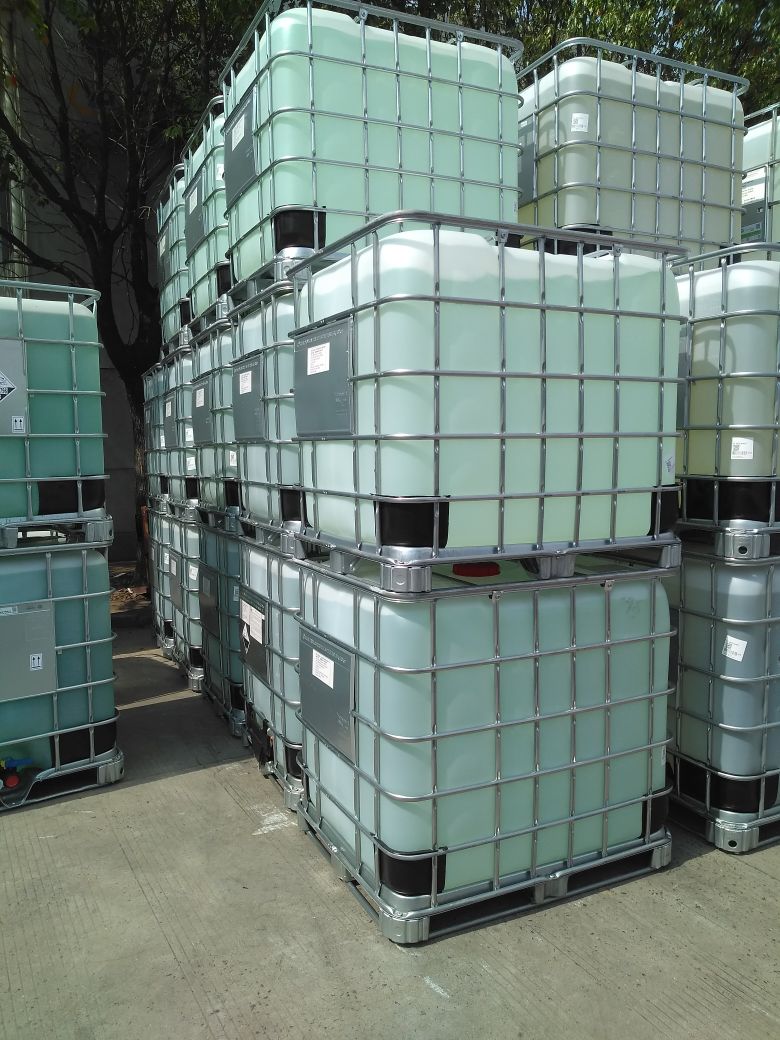
Magnesium fluorosilicate (MgSiF6) is a compound that has found numerous applications in various industries, one of the most notable
being its use as a waterproofing agent. This article delves into the science behind why magnesium fluorosilicate is effective as a waterproofing
agent and explores the mechanisms by which it performs this function.
Chemical Properties of Magnesium Fluorosilicate
Magnesium fluorosilicate is an inorganic compound with the chemical formula MgSiF6. It is typically found as a hydrate, meaning it incorporates
water molecules into its structure. The compound is known for its solubility in water, and when dissolved, it dissociates into magnesium ions (Mg2+)
and fluorosilicate ions (SiF62-). The interaction between these ions and the materials they are applied to is key to understanding its waterproofing capabilities.
Mechanism for Magnesium Fluorosilicate of Waterproofing
1、Formation of a Protective Layer
When magnesium fluorosilicate is applied to a surface, it reacts with the moisture and other chemicals present in the substrate. One of the primary
reactions involves the formation of a silica-based layer. This layer is highly resistant to water penetration due to its dense and cohesive nature. The
silica matrix fills the pores and micro-cracks on the surface, effectively sealing them off from water ingress.
2、Chemical Reaction with Substrates
In concrete and masonry applications, the magnesium ions from MgSiF6 react with the calcium hydroxide (Ca(OH)2) present in these materials.
This reaction forms insoluble magnesium hydroxide (Mg(OH)2) and calcium fluorosilicate (CaSiF6), which further contribute to the water-resistant
properties. The reaction can be summarized as follows:

The resultant compounds create a tightly bound matrix that reduces porosity and permeability.
3、Hydrophobic Coating Formation
The fluorine atoms in magnesium fluorosilicate contribute to the hydrophobic characteristics of the treated surface. Fluorine is known for its low
surface energy, which means it repels water molecules. When MgSiF6 is applied, the fluorine atoms form a hydrophobic coating on the material
surface, further enhancing its waterproofing capabilities.
Applications in Different Industries
1、Construction Industry
● Concrete Structures: Magnesium fluorosilicate is commonly used in the construction industry to waterproof concrete structures. By reducing
the porosity and enhancing the chemical resistance of concrete, MgSiF6 helps in prolonging the life of buildings, bridges, and other infrastructures.

● Masonry and Brickwork: It is also applied to masonry and brickwork to prevent water infiltration. This is particularly useful in older buildings where
mortar joints are prone to water damage.
2、Textile Industry
● Fabric Treatment: In the textile industry, magnesium fluorosilicate is used to treat fabrics to make them water-resistant. The compound forms a thin,
protective layer over the fibers, preventing water from penetrating while maintaining breathability.
3、Paper and Wood Products
● Paper Coating: Magnesium fluorosilicate can be applied to paper products to create water-resistant paper. This is beneficial for packaging materials
that need to withstand moisture.
● Wood Preservation: It is used in the treatment of wood to prevent water damage and decay, thereby extending the life of wooden structures and products.
Advantages of Using Magnesium Fluorosilicate
1、Long-lasting Protection
The waterproofing effect of magnesium fluorosilicate is durable and long-lasting. Once applied, the chemical reactions create a stable and enduring barrier against
water penetration.
2、Cost-effective
Compared to other waterproofing agents, magnesium fluorosilicate is relatively cost-effective. Its availability and ease of application make it a preferred choice
in many industries.
3、Environmentally Friendly
Magnesium fluorosilicate is considered environmentally friendly compared to many synthetic waterproofing chemicals. Its use reduces the need for more harmful
substances, aligning with sustainable practices in various industries.
Magnesium fluorosilicate’s effectiveness as a waterproofing agent lies in its ability to form a protective silica layer, its chemical reactions with substrate
materials, and the hydrophobic properties imparted by fluorine atoms. These mechanisms work together to create a durable, cost-effective, and environmentally
friendly solution for water protection in various applications. From construction to textiles and paper products, MgSiF₆ continues to play a crucial role in enhancing
the longevity and resilience of materials exposed to moisture.
Potassium Hydrogen Fluoride: A Crucial Intermediate in Chemical Production
Fluorotitanic Acid as a Flux Agent in Ceramic Glazes
Related Article
Discover why 70% hydrofluoric acid is preferred globally — balancing reactivity, safety, and cost-efficiency for glass, metal, and semiconductor industries.
Why International Buyers Prefer Purchasing Hydrofluoric Acid with 70% Concentration

FSSF Chemical leads you to discover the industrial uses of fluoroboric acid (HBF₄), including applications in electroplating, metal cleaning, catalysis, pharmaceuticals, and battery technology.
The Comprehensive Industrial Applications of Fluoroboric Acid (HBF4)