Keeping Quartz Sand Bright: Preventing Yellowing after Hydrofluoric Acid Washing
2023-11-27
Quartz sand, a workhorse in industries ranging from electronics to construction, often undergoes acid washing to enhance its purity.
However, a common challenge faced is the unexpected yellowing that can occur after a dip in hydrofluoric acid (HF). Let's explore
some practical tips on how to prevent this yellowing phenomenon and keep our quartz sand looking crystal clear.
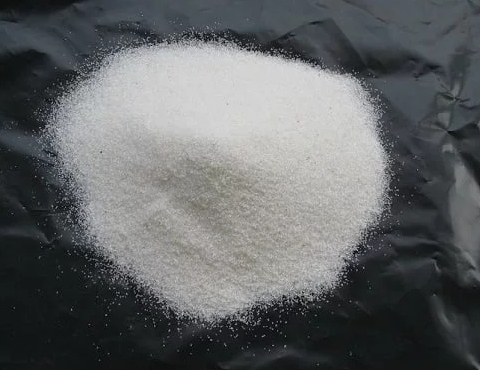
Firstly, it's essential to understand the root cause of yellowing. The culprit is often iron impurities embedded within the quartz crystals.
During hydrofluoric acid washing, these iron impurities can be released, leading to the unwanted yellow tint. To prevent this, starting
with high-purity quartz sand can significantly reduce the initial concentration of iron impurities, setting the stage for a cleaner process.
One effective strategy is to optimize the conditions of the hydrofluoric acid treatment. This includes controlling factors such as temperature,
concentration, and duration of exposure. Fine-tuning these parameters helps strike a balance between effective removal of impurities and
minimizing the risk of yellowing. It's like finding the sweet spot in a recipe – adjusting just enough to get the desired outcome without any
unexpected surprises.
Temperature plays a pivotal role in the acid washing of quartz sand with hydrofluoric acid. Both excessively high and low temperatures can
have adverse effects on the efficiency of impurity removal and the structural integrity of the material. Through careful control and monitoring,
maintaining a temperature range of 60°C to 80°C is generally considered optimal for achieving the desired acid washing outcomes.
The correlation between exposure time and the efficiency of acid washing is paramount in understanding the intricate dynamics of the process.
Short exposure times may lead to incomplete removal of impurities, compromising the quality of the final product. Conversely, excessively long
exposure times could result in over-etching, potentially leading to the wastage of raw materials and increased operational costs.
Another key consideration is the choice of hydrofluoric acid concentration. The concentration of hydrofluoric acid is a critical parameter that directly
affects the efficiency of the acid washing process.High concentrations may result in overly aggressive dissolution of impurities, potentially causing
structural damage to the quartz sand particles.Conversely, insufficient hydrofluoric acid concentration can impede the effectiveness of the acid washing
process. Inadequate concentrations may fail to break down and remove impurities adequately, resulting in suboptimal purity levels of the quartz sand.
Additionally, incorporating inhibitors into the acid washing process can be beneficial. Inhibitors act as guardians, selectively suppressing the dissolution
of specific impurities, including iron. This targeted approach helps maintain the purity of the quartz sand while reducing the likelihood of yellowing.
Regular monitoring and quality control during the acid washing process are crucial. Analyzing the composition of the acid and the quartz sand before and
after treatment can provide valuable insights. If changes in color are detected, adjustments to the process can be made promptly to prevent further yellowing.
In conclusion, preventing the yellowing of quartz sand after hydrofluoric acid washing involves a combination of starting with high-purity sand, optimizing acid
treatment conditions, using lower acid concentrations, incorporating inhibitors, and maintaining vigilant quality control. By implementing these strategies,
industries can ensure that their quartz sand remains crystal clear and meets the stringent demands of various applications.
Fluorosilicic Acid: A Catalyst for Sustainable Lead Refining Innovation
Preserving Wood with Ammonium Fluorosilicate
Related Article
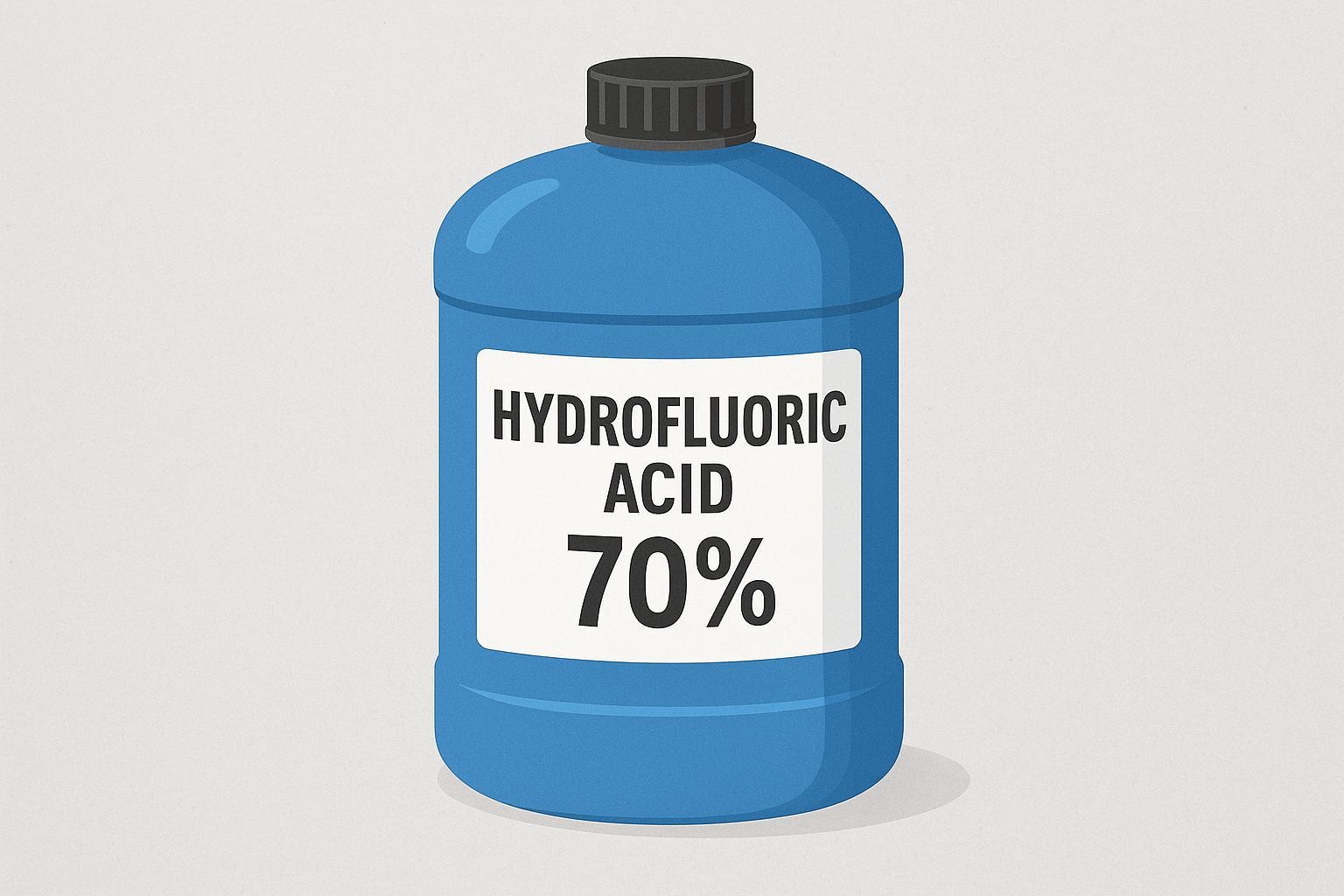
Discover why 70% hydrofluoric acid is preferred globally — balancing reactivity, safety, and cost-efficiency for glass, metal, and semiconductor industries.
Why International Buyers Prefer Purchasing Hydrofluoric Acid with 70% Concentration
FSSF Chemical leads you to discover the industrial uses of fluoroboric acid (HBF₄), including applications in electroplating, metal cleaning, catalysis, pharmaceuticals, and battery technology.
The Comprehensive Industrial Applications of Fluoroboric Acid (HBF4)