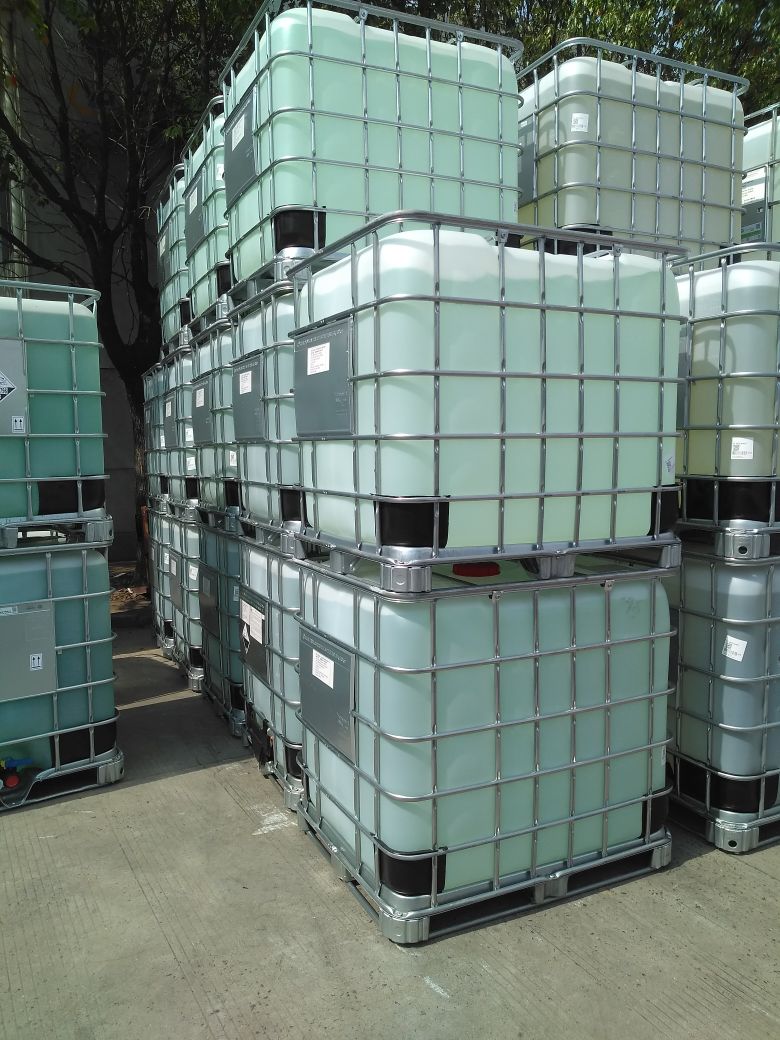
How is the Fluoroboric Acid used in the Rubber Industry
2024-04-16
Fluoroboric acid, a versatile chemical compound, finds widespread application in various industrial sectors, prominently in the rubber industry.
Its unique properties and mechanisms make it an invaluable component in enhancing the performance and characteristics of rubber products.
This article delves into the reasons behind its utilization in the rubber industry and explores specific applications within this sector.
The Chemical Properties of Fluoroboric Acid
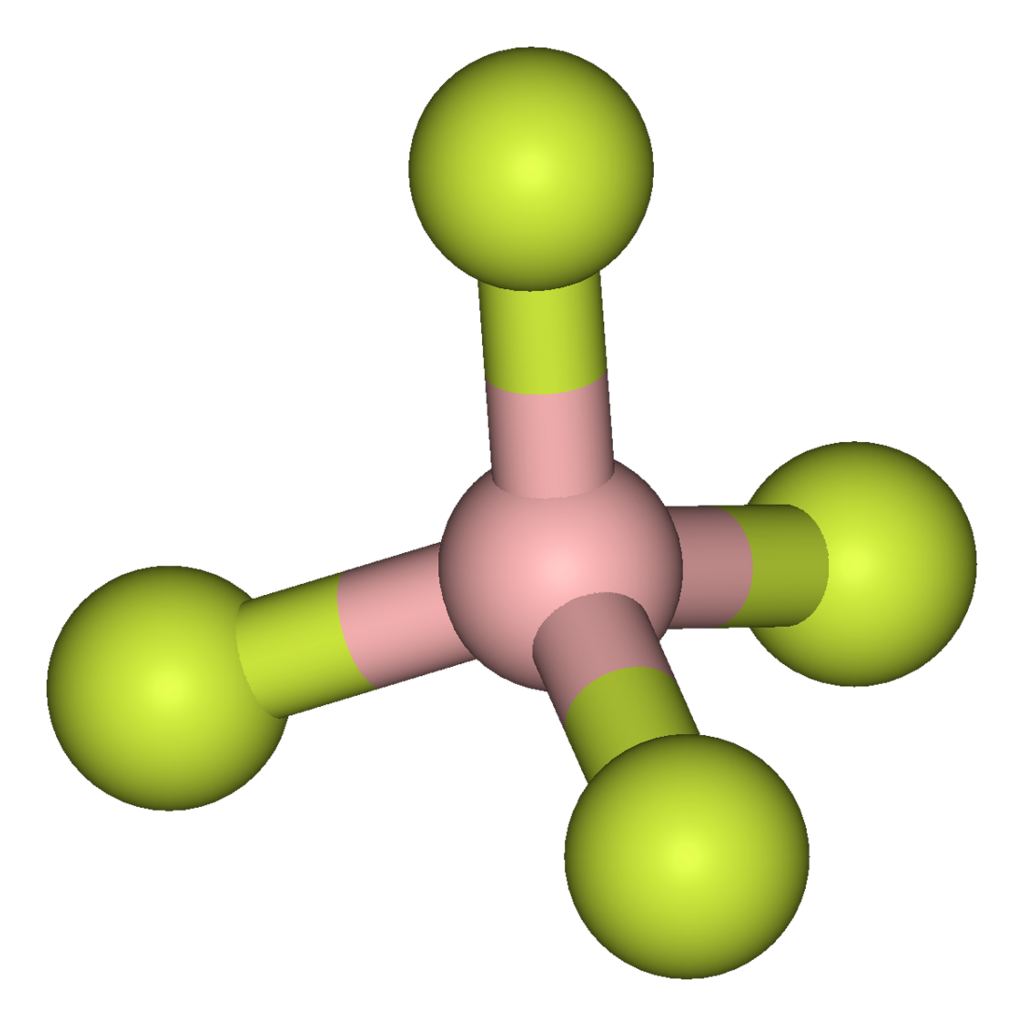
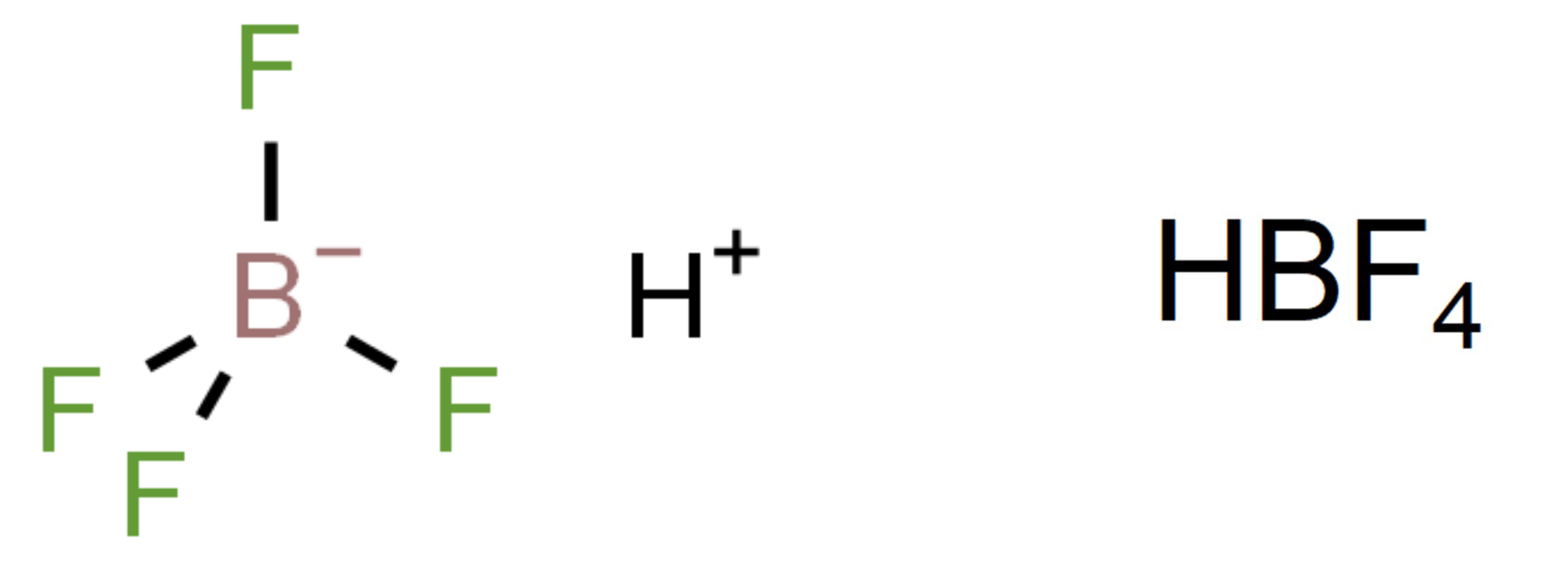
Fluoroboric acid, with the chemical formula HBF4, exhibits notable characteristics that render it suitable for applications in rubber processing.
It is a strong acid, dissociating completely in water to yield fluoride ions (F-) and boron tetrafluoride (BF4-) ions. This dissociation ability is pivotal in
its role as a catalyst and cross-linking agent in rubber vulcanization processes.
Role in Rubber Vulcanization
One of the primary applications of fluoroboric acid in the rubber industry is its role as a vulcanization accelerator. Vulcanization is a chemical process
that imparts strength, elasticity, and durability to rubber by cross-linking polymer chains. Fluoroboric acid acts as a catalyst in this process, expediting
the formation of cross-links between rubber molecules. These cross-links enhance the mechanical properties of rubber, such as hardness, abrasion
resistance, and aging resistance.
Improvement of Rubber Properties
The incorporation of fluoroboric acid into rubber formulations leads to significant improvements in various properties of rubber products. It enhances
thermal stability, enabling rubber products to withstand elevated temperatures without degradation. Additionally, it improves resistance to chemicals,
oils, and weathering, extending the lifespan of rubber components exposed to harsh environments.
Compatibility with Different Rubber Types
Fluoroboric acid demonstrates compatibility with a wide range of rubber types, including natural rubber and synthetic rubbers such as styrene-butadiene rubber (SBR)
and ethylene propylene diene monomer (EPDM). This versatility allows its application across diverse rubber formulations, ensuring consistent performance enhancements.
Specific Applications
In the rubber industry, fluoroboric acid finds application in various processes and products:
● Tire Manufacturing: Fluoroboric acid is used as a vulcanization accelerator in tire production, enhancing the durability and performance of tires,
especially in demanding conditions.
● Sealants and Gaskets: Rubber sealants and gaskets require superior chemical resistance and durability. Incorporating fluoroboric acid improves these properties,
making them suitable for use in automotive, aerospace, and industrial applications.
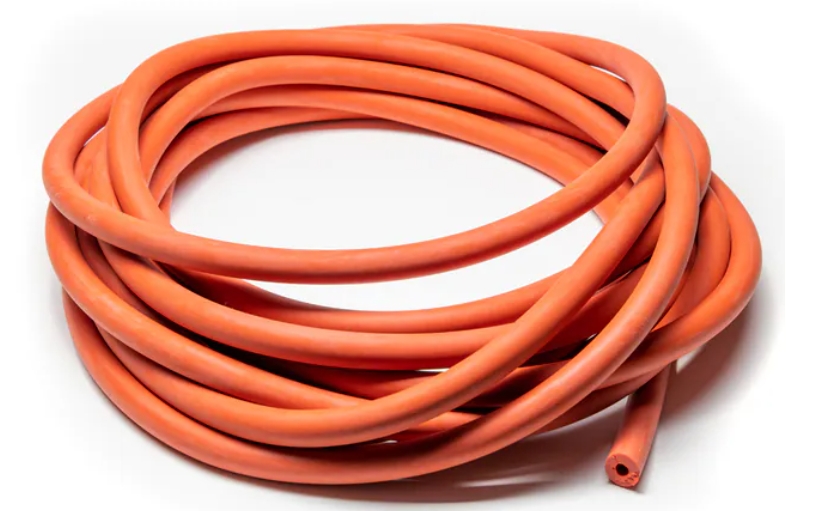
● Hoses and Tubing: Fluoroboric acid-treated rubber hoses and tubing exhibit enhanced resistance to chemicals and oils, making them ideal for conveying corrosive
fluids in chemical processing plants and industrial facilities.
● Automotive Components: Various rubber components in automotive systems benefit from fluoroboric acid treatment, ensuring reliability and longevity in engine mounts,
seals, and grommets.
Fluoroboric acid plays a vital role in the rubber industry by serving as a catalyst and performance enhancer in rubber vulcanization processes. Its ability to improve
the mechanical, thermal, and chemical properties of rubber products makes it indispensable in various applications, ranging from tire manufacturing to automotive components
and industrial sealing solutions. The versatility and effectiveness of fluoroboric acid underscore its significance in optimizing the performance and durability of rubber materials
in diverse industrial settings.
How Fluozirconic Acid Cleans Metals Like Magic
The Impact and Application of Potassium Bifluoride (KHF2) in the Glass Industry
Related Article
Discover why 70% hydrofluoric acid is preferred globally — balancing reactivity, safety, and cost-efficiency for glass, metal, and semiconductor industries.
Why International Buyers Prefer Purchasing Hydrofluoric Acid with 70% Concentration

FSSF Chemical leads you to discover the industrial uses of fluoroboric acid (HBF₄), including applications in electroplating, metal cleaning, catalysis, pharmaceuticals, and battery technology.
The Comprehensive Industrial Applications of Fluoroboric Acid (HBF4)