How is Fluorosilicic Acid used in Corrosion Protection
2024-04-24
Corrosion, the gradual deterioration of materials due to chemical or electrochemical reactions with their environment,
poses significant challenges across various industries. To combat this pervasive issue, scientists and engineers have
developed a range of corrosion inhibitors, among which fluorosilicic acid stands out for its effectiveness and versatility.
In this article, we delve into the unique properties of fluorosilicic acid, its mechanisms as a corrosion inhibitor, and its
diverse applications in corrosion protection across different sectors.
What is Fluorosilicic Acid?
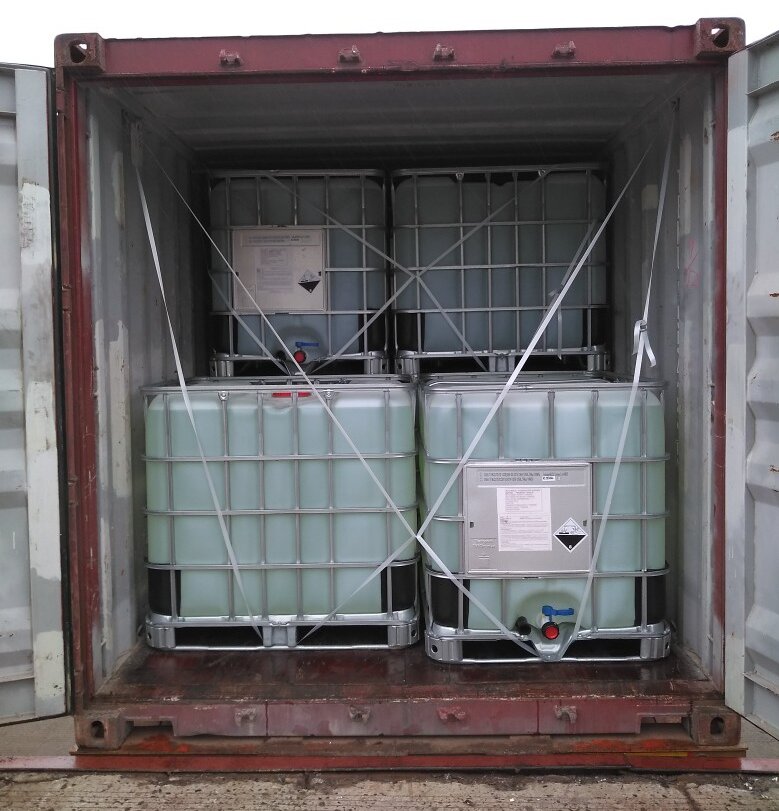

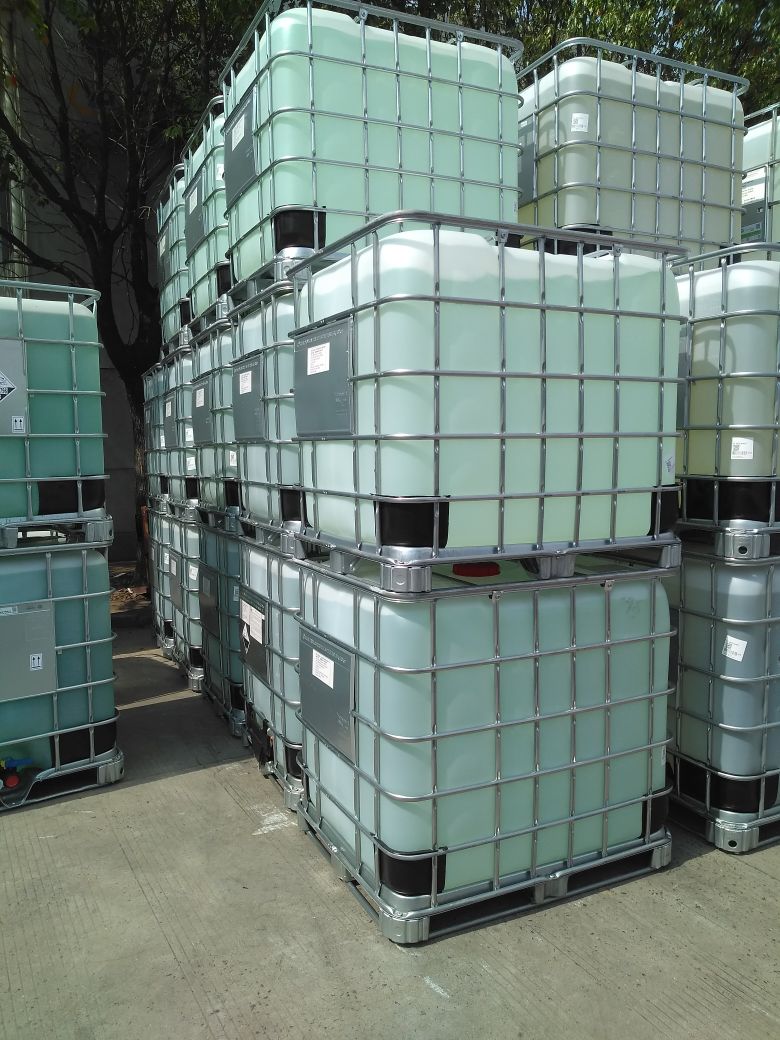
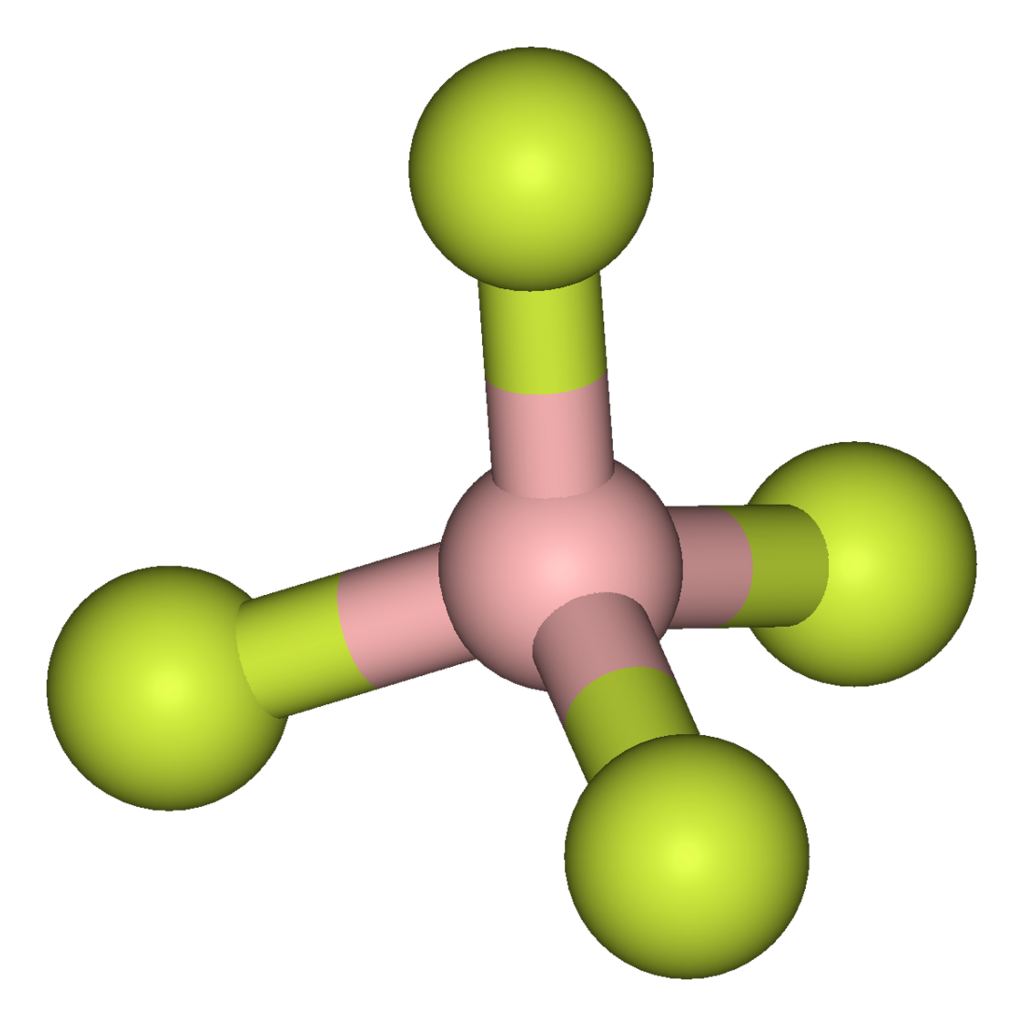
Fluorosilicic acid (H2SiF6) is an inorganic compound derived from hydrofluoric acid (HF) and silica (SiO2). It exists as
a colorless liquid and is highly soluble in water. One of its remarkable attributes is its ability to form stable complexes with
metal ions, which is key to its role as a corrosion inhibitor.
Mechanisms of Corrosion Inhibition:
When fluorosilicic acid is applied to metal surfaces, it undergoes chemical reactions that result in the formation of a protective layer.
This layer acts as a barrier, preventing corrosive substances from reaching the underlying metal. The exact mechanism varies depending on
the metal substrate and the specific environmental conditions. However, in general, fluorosilicic acid reacts with metal ions to form insoluble
metal fluoride or metal silicofluoride compounds, which adhere to the surface and inhibit further corrosion.
Applications in Corrosion Protection:
1. Metal Surface Treatment:
Fluorosilicic acid is widely employed for treating metal surfaces to enhance their corrosion resistance. It is particularly effective for steel,
aluminum, and other non-ferrous metals. The acid reacts with metal ions on the surface, forming a thin, impermeable layer that shields the
metal from corrosive agents such as moisture and oxygen. This application finds extensive use in the automotive, aerospace, and construction industries.
2. Concrete Protection:
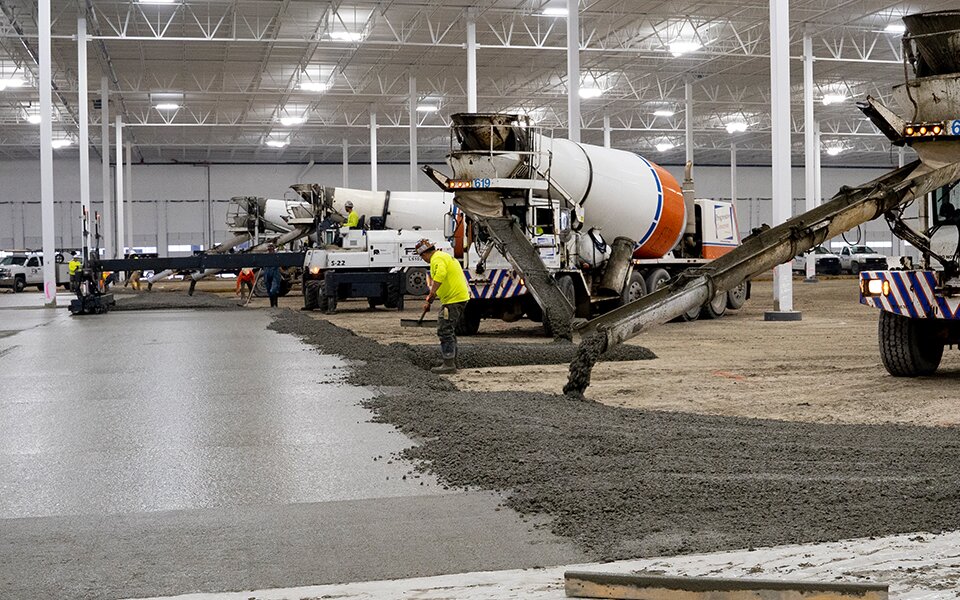
In the construction sector, fluorosilicic acid is utilized as a corrosion inhibitor for reinforced concrete structures. When added to concrete
formulations or applied as a surface treatment, it penetrates the concrete matrix and reacts with alkalis and metal ions present in the cementitious
materials. This reaction produces insoluble compounds that block the pores and capillaries within the concrete, reducing permeability and inhibiting
corrosion of embedded steel reinforcement.
3. Glass Coatings:
Fluorosilicic acid is also employed in the glass industry to impart corrosion resistance to glass surfaces. By forming a protective coating on the glass,
it enhances the durability and longevity of glass products, especially those exposed to harsh environments or chemical exposure. This application is
instrumental in manufacturing architectural glass, laboratory equipment, and chemical storage containers.
4. Wood Preservation:
Another notable application of fluorosilicic acid is in wood preservation. By impregnating wood with fluorosilicic acid solutions, the acid reacts with metal
ions in the wood fibers, forming insoluble complexes that inhibit fungal decay and protect against insect damage. This method extends the lifespan of wooden
structures, such as outdoor decks, fences, and utility poles.
Fluorosilicic acid emerges as a multifaceted solution in the fight against corrosion, offering effective protection across diverse materials and environments.
Through its unique chemical properties and mechanisms of corrosion inhibition, it plays a crucial role in safeguarding infrastructure, prolonging the lifespan of
industrial equipment, and preserving the integrity of various construction materials. As industries continue to seek sustainable and long-lasting corrosion protection
strategies, fluorosilicic acid remains a valuable asset in their arsenal of preventive measures.
Why Ammonium fluoroborate can be as an Essential Electrolyte
How Fluozirconic Acid Cleans Metals Like Magic
Related Article
Discover why 70% hydrofluoric acid is preferred globally — balancing reactivity, safety, and cost-efficiency for glass, metal, and semiconductor industries.
Why International Buyers Prefer Purchasing Hydrofluoric Acid with 70% Concentration

FSSF Chemical leads you to discover the industrial uses of fluoroboric acid (HBF₄), including applications in electroplating, metal cleaning, catalysis, pharmaceuticals, and battery technology.
The Comprehensive Industrial Applications of Fluoroboric Acid (HBF4)