How Does Fluoroboric Acid Work in Copper Electroplating
2024-07-25
Copper electroplating is a widely used industrial process that involves depositing a thin layer of copper onto a substrate, typically for improving
electrical conductivity, corrosion resistance, and aesthetic appeal. One of the key chemicals employed in this process is fluoroboric acid (HBF4).
This article explores the reasons behind the use of fluoroboric acid in copper electroplating, its advantages, and the detailed mechanisms involved.

The Role of Fluoroboric Acid in Copper Electroplating
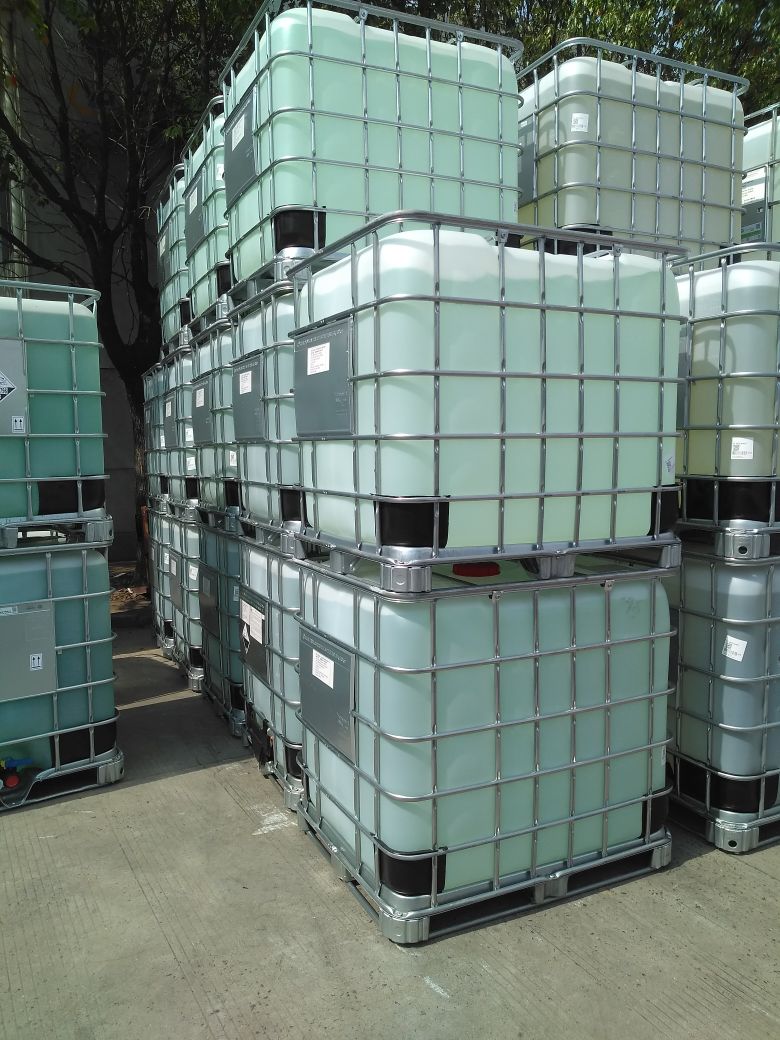
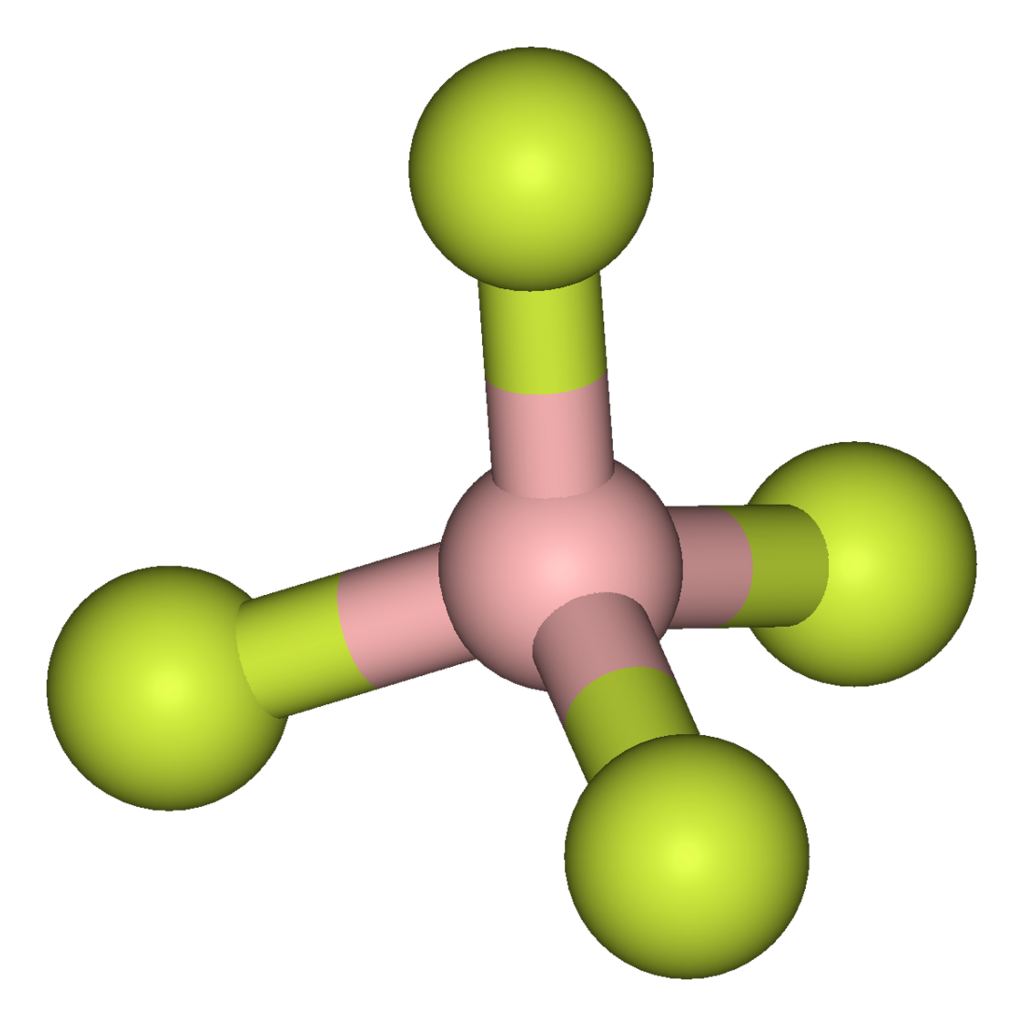
Fluoroboric acid is a strong acid composed of hydrogen, boron, and fluorine atoms. It is highly soluble in water, forming a stable solution that is ideal
for electroplating purposes. The primary role of fluoroboric acid in copper electroplating involves several key aspects:
1、Electrolyte Composition:
Fluoroboric acid is used to create the electrolyte solution for copper electroplating. The electrolyte must be highly conductive and capable of dissolving
the copper ions required for plating. HBF4, when dissolved in water, dissociates into hydrogen ions (H+) and fluoroborate ions (BF4-). The BF4- ions help
to stabilize the copper ions (Cu2+) in the solution, maintaining a consistent concentration of copper for even deposition.
2、Stabilization of Copper Ions:
In the electroplating bath, it is crucial to keep copper ions stable and prevent their premature reduction or precipitation. Fluoroboric acid forms complexes
with copper ions, such as Cu(BF4)2, which are more stable than free copper ions in solution. This stability ensures a uniform and controlled deposition of
copper onto the substrate.
3、pH Control:
The acidic nature of fluoroboric acid helps maintain the pH of the electroplating bath within an optimal range. A stable pH is essential to prevent the formation
of undesirable side products and to ensure the smooth deposition of copper.
4、Conductivity Enhancement:
The high ionic conductivity of the fluoroborate solution enhances the efficiency of the electroplating process. Higher conductivity reduces the resistance within the
electroplating cell, allowing for better control over the deposition rate and thickness of the copper layer.
Advantages of Using Fluoroboric Acid in Copper Electroplating
The use of fluoroboric acid in copper electroplating offers several advantages over other acids and electrolytes. These advantages include:
1、Improved Quality of Copper Deposits:
Fluoroboric acid enables the production of high-quality copper coatings with excellent adhesion, smoothness, and uniform thickness. The resulting copper layer is
typically free from defects such as pitting, nodules, and rough surfaces, which can occur with other electrolytes.
2、Enhanced Plating Efficiency:
The high conductivity and stable pH of the fluoroborate electrolyte lead to increased plating efficiency. This means that the electroplating process can be completed
faster and with lower energy consumption, reducing operational costs.
3、Wide Operating Range:
Fluoroboric acid-based electrolytes are versatile and can operate effectively over a wide range of temperatures and current densities. This flexibility allows for
customization of the electroplating process to suit different applications and requirements.
4、Reduced Environmental Impact:
Compared to some other electroplating chemicals, fluoroboric acid is less toxic and poses fewer environmental risks. It does not produce hazardous by-products,
making it a more environmentally friendly choice for copper electroplating.
5、Compatibility with Additives:
Fluoroboric acid is compatible with various additives used to improve the properties of the copper deposit, such as brighteners, levelers, and grain refiners. These
additives can further enhance the quality and characteristics of the copper coating.

Detailed Mechanisms of Fluoroboric Acid in Copper Electroplating
To understand why fluoroboric acid is so effective in copper electroplating, it is important to delve into the chemical and electrochemical mechanisms at play:
1、Formation of Fluoroborate Complexes:
When fluoroboric acid dissolves in water, it dissociates into H+ and BF4- ions. The BF4- ions can form stable complexes with copper ions, such as Cu(BF4)2.
This complex formation prevents the copper ions from precipitating out of the solution and ensures a consistent supply of copper ions for electroplating.
2、Cathodic Deposition:
During the electroplating process, the substrate to be plated (cathode) is immersed in the fluoroborate electrolyte. An electric current is passed through the solution,
causing the reduction of Cu2+ ions at the cathode surface. The reaction can be represented as follows:

The stable Cu(BF4)2 complexes dissociate to release Cu2+ ions near the cathode, ensuring a continuous supply of copper for deposition.
3、Anodic Dissolution:
The anode, typically made of pure copper, undergoes oxidation, dissolving into the electrolyte as Cu2+ ions. This reaction replenishes the copper ions in the solution:

The dissolved Cu2+ ions then form complexes with BF4- ions, maintaining the equilibrium in the electrolyte.
4、pH Buffering:
The presence of H+ ions from fluoroboric acid helps to buffer the pH of the solution. A stable pH is critical for preventing the formation of copper hydroxide or other
undesirable compounds that can interfere with the electroplating process.
5、Conductivity and Ion Transport:
The high ionic strength of the fluoroborate electrolyte facilitates efficient ion transport within the electroplating cell. This reduces the internal resistance and allows
for precise control over the deposition parameters, such as current density and plating thickness.
Fluoroboric acid plays a pivotal role in the copper electroplating process due to its ability to stabilize copper ions, enhance electrolyte conductivity, and maintain an
optimal pH. The use of fluoroboric acid-based electrolytes results in high-quality copper deposits with excellent adhesion, smoothness, and uniformity. Additionally,
the environmental benefits and compatibility with various additives make fluoroboric acid a preferred choice in the electroplating industry.
By understanding the detailed mechanisms and advantages of fluoroboric acid in copper electroplating, industries can optimize their processes to achieve superior
results while minimizing costs and environmental impact. This knowledge not only enhances the quality of copper-plated products but also contributes to the advancement
of electroplating technologies in various applications.
The Application of Sodium Hydrogen Fluoride in Water Treatment
Nickel Fluoride in Magnetic Storage Devices
Related Article
Discover why 70% hydrofluoric acid is preferred globally — balancing reactivity, safety, and cost-efficiency for glass, metal, and semiconductor industries.
Why International Buyers Prefer Purchasing Hydrofluoric Acid with 70% Concentration

FSSF Chemical leads you to discover the industrial uses of fluoroboric acid (HBF₄), including applications in electroplating, metal cleaning, catalysis, pharmaceuticals, and battery technology.
The Comprehensive Industrial Applications of Fluoroboric Acid (HBF4)