The Application of Hexafluorosilicic Acid as a Wet Etching Agent in the Electronics Industry
2024-12-27
Hexafluorosilicic acid (H2SiF6) is a versatile and valuable chemical compound that plays a crucial role in various industrial applications. Among its many uses,
one of the most significant is its role as a wet etching agent in the electronics industry. In this article, we will explore the detailed process of how hexafluorosilicic
acid is employed as an etching agent, its advantages, and the specific applications it has within semiconductor and microelectronics manufacturing.
1、What is Hexafluorosilicic Acid?
Hexafluorosilicic acid is an inorganic compound formed by the reaction of silicon dioxide (SiO2) with hydrofluoric acid (HF). It is a colorless and highly corrosive
liquid that contains silicon and fluorine atoms. The chemical formula for hexafluorosilicic acid is H2SiF6. It is primarily used in water fluoridation but has a variety of
other applications in industrial chemistry, particularly in the electronics and materials industries.
In the context of electronics manufacturing, hexafluorosilicic acid is used as a component in etching solutions. Etching is a critical process in the fabrication of semiconductor
devices, where materials such as silicon wafers are patterned to create integrated circuits and microchips.

2、The Role of Wet Etching in Electronics Manufacturing
Wet etching is a process used in semiconductor manufacturing to selectively remove material from a surface. It involves exposing the material to a liquid etching solution that
chemically reacts with the surface to remove the unwanted material. The wet etching process is widely used in the production of semiconductor wafers, solar cells, and various
microelectronic components.
The main goal of etching is to create intricate patterns on the surface of a material, which is crucial for the subsequent processes of deposition, photolithography, and doping.
Wet etching is favored over dry etching in certain applications due to its ability to provide more uniform etching across the surface of the material, particularly for large-scale wafer
processing.
3、How Hexafluorosilicic Acid is Used in Wet Etching
Hexafluorosilicic acid is utilized in wet etching solutions for the processing of silicon wafers, particularly in the removal of silicon dioxide (SiO2) layers, which are commonly
used as insulating layers in microelectronic devices. Silicon dioxide is often deposited on silicon wafers to provide electrical insulation, but it needs to be selectively etched away
during the manufacturing process to create precise patterns for circuit formation.
In a typical wet etching process, hexafluorosilicic acid is mixed with other chemicals such as hydrogen fluoride (HF) to form an etching solution that effectively reacts with the silicon
dioxide layer. The process works as follows:
① Preparation of Etching Solution: Hexafluorosilicic acid is mixed with hydrofluoric acid and water to create an etching solution. The concentration of hexafluorosilicic acid in the
solution can be varied depending on the specific etching requirements.
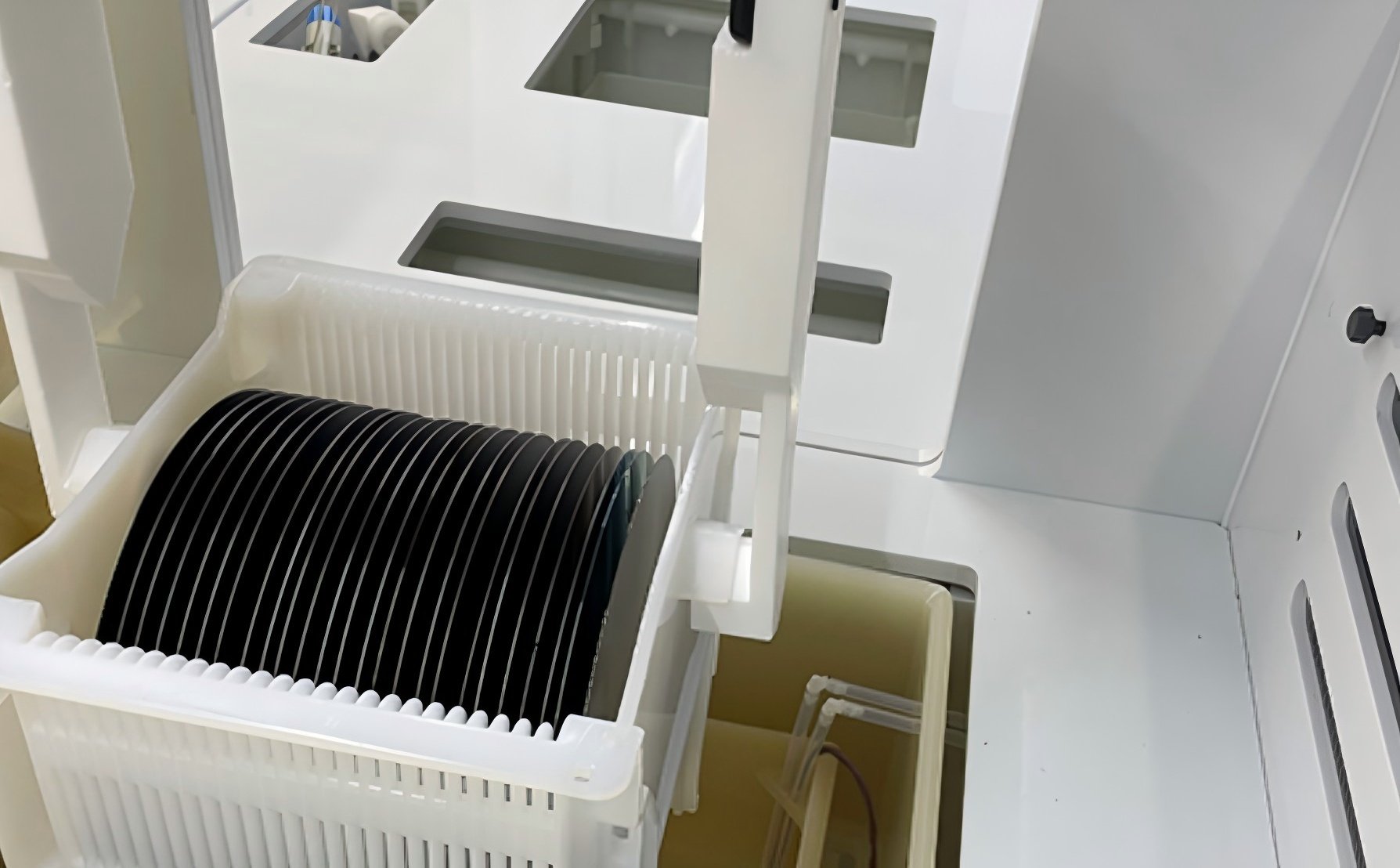
② Etching Process: The silicon wafer, coated with a layer of silicon dioxide, is immersed in the etching solution. Hexafluorosilicic acid reacts with the silicon dioxide to form a soluble
complex, which dissolves into the solution, effectively removing the silicon dioxide layer.

③ Cleaning and Rinsing: After the etching process, the wafer is thoroughly rinsed with water to remove any residual etching solution. This ensures that the surface is clean and
free of any contaminating residues that could affect subsequent processes such as deposition or photolithography.
④ Post-Etching Treatment: In some cases, additional chemical treatments are applied to the wafer surface to further refine the etching quality or to prepare the surface for the
next manufacturing steps.
The use of hexafluorosilicic acid in this process is highly effective because it is able to precisely and selectively etch silicon dioxide, without significantly affecting the underlying
silicon layer. This selectivity is crucial for the production of intricate microelectronic devices, where precise control over material removal is necessary.
4、Advantages of Hexafluorosilicic Acid in Wet Etching
There are several reasons why hexafluorosilicic acid is favored in wet etching processes in the electronics industry:
a、High Selectivity: One of the primary advantages of using hexafluorosilicic acid in wet etching is its high selectivity. It is able to effectively etch silicon dioxide without significantly
attacking the underlying silicon wafer. This selectivity is crucial in the manufacturing of semiconductor devices, where precise patterning is necessary.
b、Uniform Etching: Hexafluorosilicic acid, when properly mixed with other chemicals, can provide uniform etching across the surface of the wafer. This uniformity is important for
ensuring that the etching process produces consistent and high-quality results, particularly when dealing with large silicon wafers.
c、Mild Reaction Conditions: Unlike some other etching agents that require extreme temperatures or high concentrations of corrosive chemicals, hexafluorosilicic acid works well
under relatively mild conditions. This makes the process safer and more cost-effective, while also reducing the potential for damage to the wafer.
d、Environmentally Friendly: While hexafluorosilicic acid itself is corrosive and must be handled with care, it is relatively environmentally friendly compared to other more toxic or
hazardous etching agents. This is an important consideration in the electronics industry, where environmental concerns and regulatory compliance are paramount.
5、Applications in Semiconductor Manufacturing
Hexafluorosilicic acid is primarily used in the production of semiconductor devices, where precise control over the etching process is critical. Some of the key applications include:
⑴ Patterning of Integrated Circuits (ICs): Integrated circuits are the backbone of modern electronic devices. Hexafluorosilicic acid is used to etch silicon dioxide layers, which are
then patterned to form the intricate structures of ICs. These patterns are essential for the electrical functionality of the device.

⑵ Microchip Fabrication: In the fabrication of microchips, hexafluorosilicic acid is used to selectively etch layers of material to create the complex networks of transistors,
capacitors, and other components. The ability to precisely control the etching depth and pattern is crucial for achieving the desired performance and functionality of the microchip.
⑶ Solar Cell Manufacturing: Hexafluorosilicic acid is also used in the manufacturing of solar cells, where it helps to etch and clean silicon wafers, ensuring that they are ready
for the deposition of photovoltaic layers. This etching process is critical for enhancing the efficiency and performance of solar cells.
⑷ MEMS Devices: Microelectromechanical systems (MEMS) devices are used in a variety of applications, including sensors, actuators, and micro-motors. Hexafluorosilicic acid
is used to etch the thin films of material that form the basis of MEMS devices, allowing for the precise creation of small-scale mechanical structures.
6、Challenges and Future Prospects
While hexafluorosilicic acid offers several advantages as a wet etching agent, there are also challenges associated with its use. One of the main challenges is the potential for
environmental and safety concerns due to the toxicity of fluorine compounds and the corrosive nature of the acid. To mitigate these risks, stringent safety protocols must be followed
during its handling and disposal.
In the future, it is likely that ongoing research will lead to more efficient and environmentally friendly etching processes. The development of new chemical compounds and etching
technologies could further enhance the capabilities of hexafluorosilicic acid in electronics manufacturing, particularly as devices continue to shrink in size and increase in complexity.
Hexafluorosilicic acid plays a vital role in the electronics industry, particularly as a wet etching agent for the production of semiconductor devices. Its high selectivity, uniform etching
capabilities, and mild reaction conditions make it an ideal choice for etching silicon dioxide layers in microelectronic devices. As the demand for smaller and more complex electronic
devices continues to grow, the use of hexafluorosilicic acid in semiconductor manufacturing is expected to remain crucial. While challenges remain, the future of hexafluorosilicic acid
in the electronics industry looks promising, with ongoing research paving the way for even more efficient and sustainable etching processes.
Borofluoric Acid as a Catalyst in the Formation of Borofluoride Salts
How Fluozirconic Acid is Used as a Functional Coating Additive in Paint Manufacturing
Related Article
Discover why 70% hydrofluoric acid is preferred globally — balancing reactivity, safety, and cost-efficiency for glass, metal, and semiconductor industries.
Why International Buyers Prefer Purchasing Hydrofluoric Acid with 70% Concentration
FSSF Chemical leads you to discover the industrial uses of fluoroboric acid (HBF₄), including applications in electroplating, metal cleaning, catalysis, pharmaceuticals, and battery technology.
The Comprehensive Industrial Applications of Fluoroboric Acid (HBF4)