Exploring Hexafluorosilicic Acid's Contribution to Water Treatment
2024-03-26
Hexafluorosilicic acid (H2SiF6) is a chemical compound widely utilized in water treatment processes due to its versatile properties
and diverse applications. This article aims to provide a detailed explanation of how hexafluorosilicic acid is applied in water treatment
and the reactions and effects it triggers.
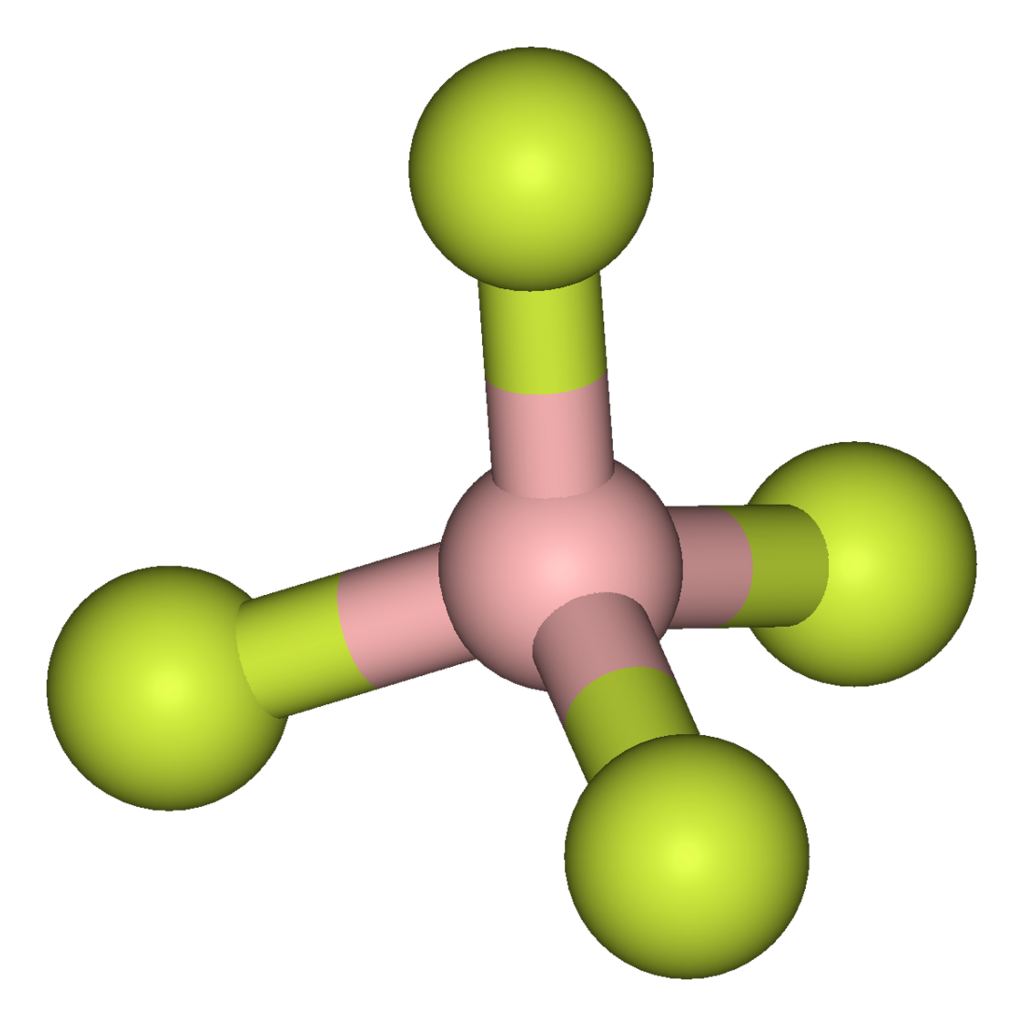
Hexafluorosilicic acid, derived from the processing of phosphate ores, emerges as a potent inorganic acid boasting a distinctive molecular
structure comprising silicon bonded to six fluoride ions. This unique composition underpins its efficacy in water treatment processes.
Mechanisms of Utilization:
The application of hexafluorosilicic acid in water treatment is predicated on several fundamental mechanisms:
1、Fluoride Ion Addition:
Hexafluorosilicic acid is commonly employed to fluoridate water supplies, aiming to enhance dental health by adjusting fluoride levels.
Upon addition to water, hexafluorosilicic acid dissociates to release fluoride ions (F-). These fluoride ions combine with hydroxyapatite in tooth enamel,
forming fluorapatite, which is more resistant to acid attacks, thus reducing the incidence of dental caries.
2、pH Regulation and Acid-Base Balance Optimization:
As a weak acid, hexafluorosilicic acid contributes to pH regulation and alkalinity control in water treatment processes. Upon dissolution,
it releases hydrogen ions (H+), which can neutralize alkaline substances and adjust pH levels. This ensures optimal conditions for subsequent
treatment steps and helps prevent scaling in distribution systems.
3、Corrosion Mitigation:
Hexafluorosilicic acid serves as an effective agent for preventing corrosion within water distribution systems. It achieves this by creating a durable
protective layer on metal surfaces, effectively shielding them from corrosive reactions. This protective film helps prolong the lifespan of pipelines,
storage tanks, and other essential infrastructure components, all while maintaining the integrity of water quality standards.
4、Scale Prevention:
In hard water, hexafluorosilicic acid reacts with calcium and magnesium ions to form insoluble precipitates, thereby preventing scale formation.
These precipitates, typically calcium fluoride (CaF2) and magnesium fluoride (MgF2), inhibit the deposition of scale on surfaces and equipment,
improving operational efficiency.
5、Microbial Management:
Possessing inherent biocidal properties, hexafluorosilicic acid aids in controlling microbial proliferation in water systems. Its incorporation into
treatment processes mitigates the risk of microbial contamination, ensuring the safety of potable water.

In summary, hexafluorosilicic acid emerges as a versatile asset in the arsenal of water treatment strategies. Its multifaceted mechanisms of action and broad applicability underscore its indispensability in safeguarding water quality, promoting public health, and fostering sustainable water management practices. By harnessing the unique properties of hexafluorosilicic acid, water treatment professionals can address the dynamic challenges of water quality management with efficacy and precision.
Exploring the Chemical Properties of Ammonium Fluoroborate and its Application in Metal Heat Treatment
The Versatile Application of Potassium Fluoride in Agriculture
Related Article
Discover why 70% hydrofluoric acid is preferred globally — balancing reactivity, safety, and cost-efficiency for glass, metal, and semiconductor industries.
Why International Buyers Prefer Purchasing Hydrofluoric Acid with 70% Concentration

FSSF Chemical leads you to discover the industrial uses of fluoroboric acid (HBF₄), including applications in electroplating, metal cleaning, catalysis, pharmaceuticals, and battery technology.
The Comprehensive Industrial Applications of Fluoroboric Acid (HBF4)