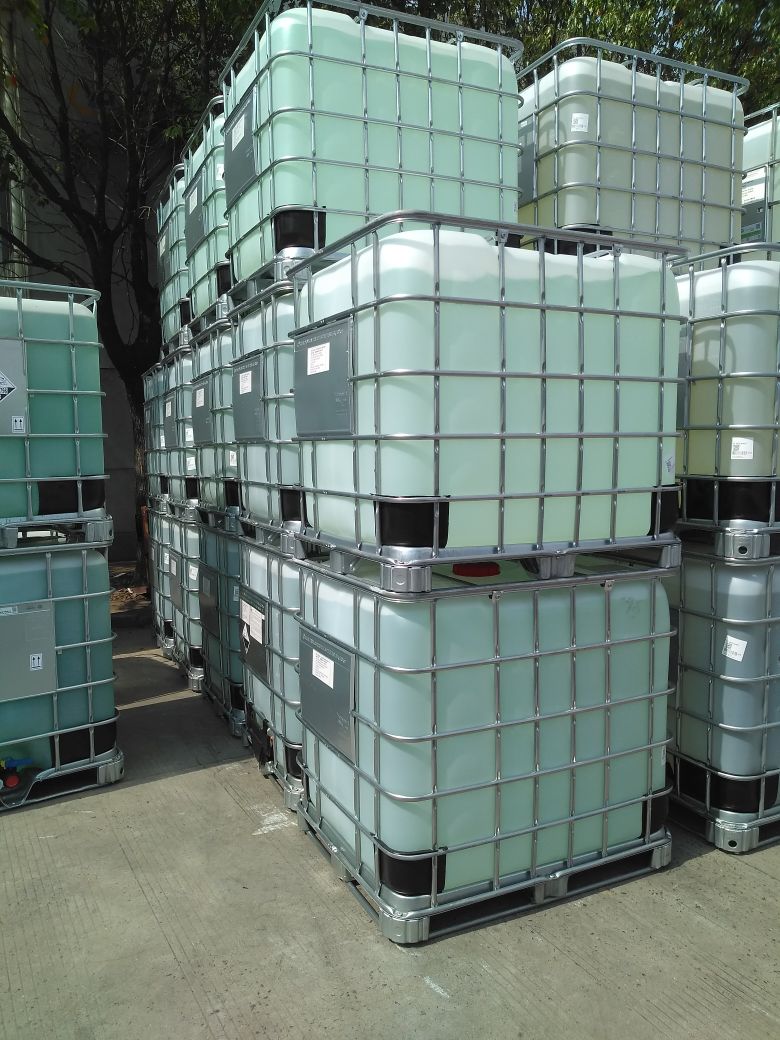
How Fluozirconic Acid is Used as a Functional Coating Additive in Paint Manufacturing
2024-12-07
Fluozirconic acid (H2ZrF6), a zirconium-based compound, plays a pivotal role in the development and production of advanced coatings. This article explores in detail
how this versatile chemical is integrated into the paint manufacturing process as a functional additive, improving adhesion, durability, and corrosion resistance of coatings
across multiple industries.

What is Fluozirconic Acid?
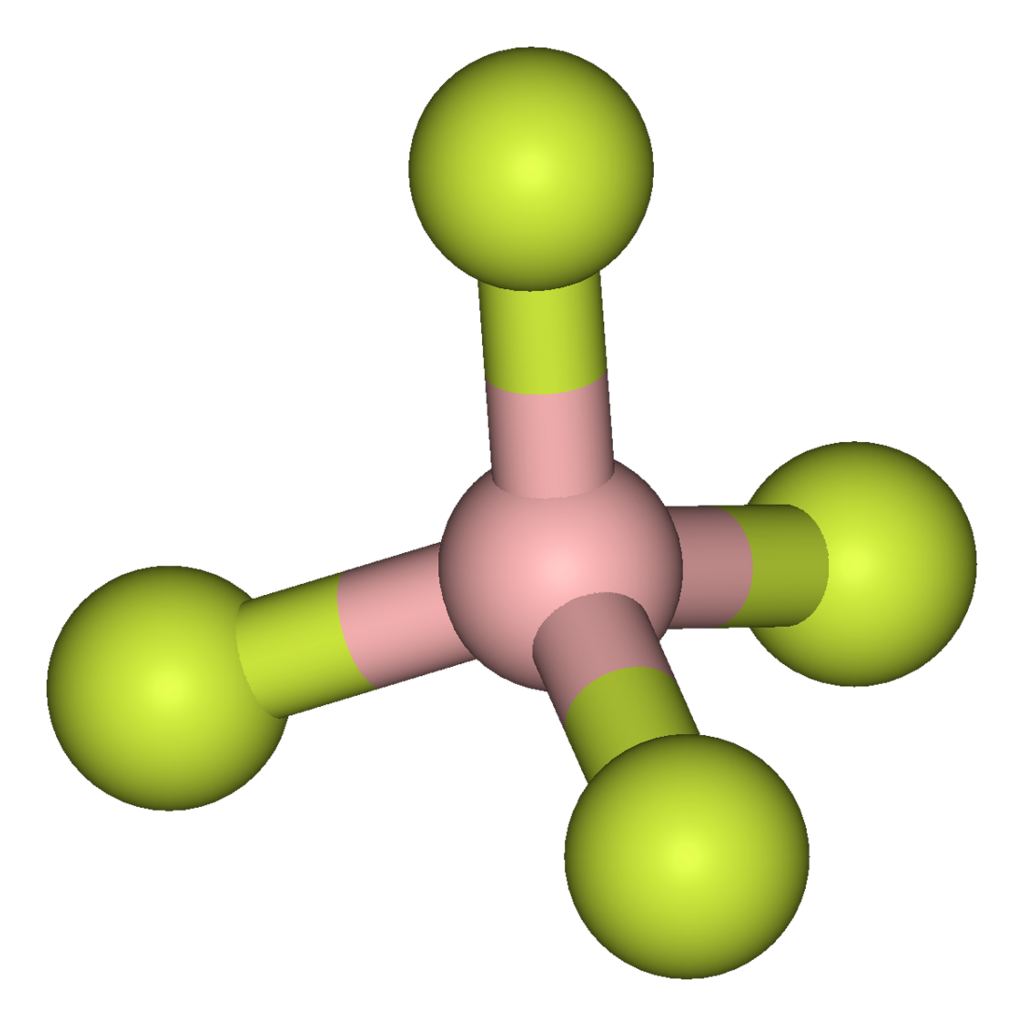
Fluozirconic acid is a colorless, water-soluble inorganic acid that contains zirconium and fluoride ions. Its chemical structure enables it to react effectively with various surfaces,
forming stable zirconium-based layers. This characteristic is central to its role in enhancing the performance of coatings.
The unique properties of fluozirconic acid include:
1. High reactivity with metals: It chemically modifies metal surfaces to improve coating adherence.
2. Corrosion resistance: It forms protective layers that prevent degradation of the substrate.
3. Eco-friendliness: Unlike traditional chromium-based treatments, fluozirconic acid is less toxic and aligns with environmental regulations.
Applications of Fluozirconic Acid in Paint Manufacturing
1. Substrate Pretreatment
Before paint application, substrates such as steel, aluminum, and alloys must be treated to ensure the coating adheres effectively and provides long-term protection.

● Metal Surface Cleaning and Activation
During the pretreatment phase, fluozirconic acid is used to clean metal surfaces by removing oxides, grease, and other contaminants. It reacts with the metal surface
to create a clean, reactive base, which is critical for adhesion.
● Zirconium Conversion Coating
The acid reacts with the metal to form a zirconium-based conversion layer. This layer:
① Chemically bonds to the metal substrate.
② Improves the adhesion of primers and paints.
③ Provides a base layer resistant to corrosion.
This step is particularly important in industries like automotive manufacturing, where paint adhesion and durability are critical.
2、Enhancing Corrosion Resistance
One of the most significant challenges in coating applications is protecting the substrate from environmental degradation. Fluozirconic acid directly addresses this challenge:
● Barrier Layer Formation
The zirconium-based conversion layer acts as a barrier, reducing the interaction between the metal and corrosive agents like water, oxygen, and salt. This helps prevent rust
and other forms of corrosion.
● Electrochemical Protection
The conversion layer lowers the substrate's electrochemical activity, minimizing galvanic reactions that lead to metal degradation.
These properties are especially valuable in marine and industrial coatings, where substrates are exposed to highly corrosive environments.
3、Improving Paint Adhesion
Strong adhesion between the substrate and the coating is critical to the durability and functionality of painted surfaces. Fluozirconic acid improves adhesion in several ways:
● Chemical Bonding
The acid creates chemical bonds between the substrate and the primer, forming a stable foundation for subsequent paint layers.
● Minimizing Surface Defects
By reacting with surface impurities, fluozirconic acid prevents delamination, blistering, and peeling of the paint.
This feature is particularly beneficial in aerospace coatings, where adhesion must withstand extreme temperature fluctuations and mechanical stress.
4、Functionality in Advanced Coating Systems
Fluozirconic acid also plays a role in modern, high-performance coating systems:
● Automotive Paint Systems
It is used in the pretreatment phase to enhance adhesion and corrosion resistance of the primer layer. Automotive coatings need to maintain their
appearance and protective qualities despite exposure to harsh weather, pollutants, and physical wear.
● Protective Coatings for Industrial Equipment
Fluozirconic acid-treated coatings are commonly applied to machinery and equipment operating in corrosive environments, extending their lifespan
and reducing maintenance costs.
● Marine Coatings
The acid’s ability to resist saltwater corrosion makes it essential in paints used for ships, oil rigs, and offshore platforms.
How Fluozirconic Acid Works
The functional role of fluozirconic acid can be understood by examining its chemical interactions and processes:
1. Formation of a Conversion Layer
When applied to a metal surface, fluozirconic acid reacts with the substrate’s oxides to form a zirconium-based layer. This layer is chemically bonded
to the substrate and provides a stable foundation for subsequent coatings.
2. Increased Surface Energy
The treated surface becomes more hydrophilic, improving the wetting properties of paints and primers. This ensures uniform application and stronger adhesion.
3. Synergy with Coating Components
Fluozirconic acid interacts with resins and binders in paint formulations, enhancing the crosslinking and overall durability of the final coating.
Benefits of Fluozirconic Acid in Paint Manufacturing
1、Eco-Friendly Alternative
Traditional chromate-based pretreatments are highly toxic and subject to strict environmental regulations. Fluozirconic acid offers a safer, environmentally
compliant alternative without compromising performance.
2、Enhanced Performance
Coatings that incorporate fluozirconic acid demonstrate superior durability, adhesion, and corrosion resistance, even in harsh conditions.
3、Versatility
Fluozirconic acid is compatible with various substrates, including steel, aluminum, and composites, making it a flexible choice for manufacturers across industries.
Fluozirconic acid has revolutionized the paint manufacturing process by enhancing the performance and durability of coatings. Its ability to improve adhesion,
provide corrosion resistance, and offer an environmentally friendly alternative to traditional treatments makes it a cornerstone of modern paint technology.
As industries continue to demand high-performance coatings, the role of fluozirconic acid is poised to expand further, driving innovation in sustainable and efficient
paint manufacturing processes. With its versatility and proven effectiveness, fluozirconic acid is set to remain an essential additive in the coatings industry for years to come.
The Application of Hexafluorosilicic Acid as a Wet Etching Agent in the Electronics Industry
The Use of Sodium Fluorosilicate as an Insecticide
Related Article
Discover why 70% hydrofluoric acid is preferred globally — balancing reactivity, safety, and cost-efficiency for glass, metal, and semiconductor industries.
Why International Buyers Prefer Purchasing Hydrofluoric Acid with 70% Concentration
FSSF Chemical leads you to discover the industrial uses of fluoroboric acid (HBF₄), including applications in electroplating, metal cleaning, catalysis, pharmaceuticals, and battery technology.
The Comprehensive Industrial Applications of Fluoroboric Acid (HBF4)