How and Why Fluorosilicic Acid (H₂SiF₆) is Used in Fertilizer Production
2024-09-28
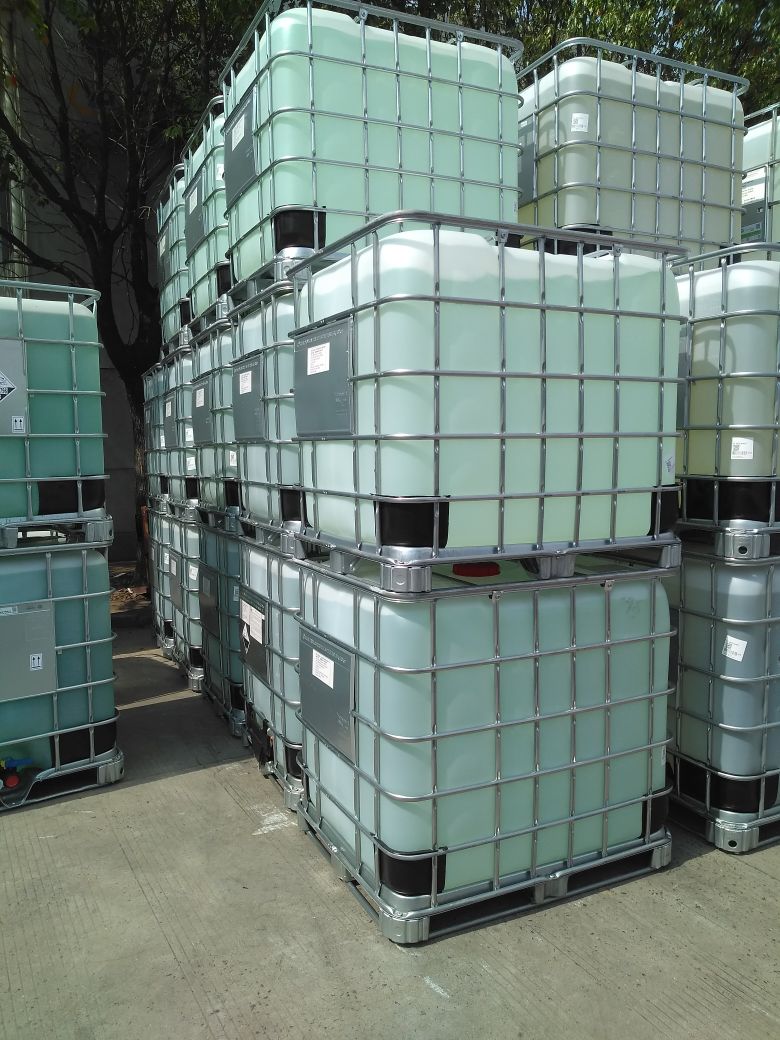
Fluorosilicic acid (H2SiF6) is a versatile chemical that finds application across various industries, including the production of fertilizers. This colorless liquid,
typically derived as a by-product from phosphate rock processing, plays a vital role in enhancing the effectiveness of phosphate fertilizers. To understand
its application in fertilizers, it's essential to delve into both the chemical principles behind fluorosilicic acid and its benefits to agriculture.

The Chemical Nature of Fluorosilicic Acid
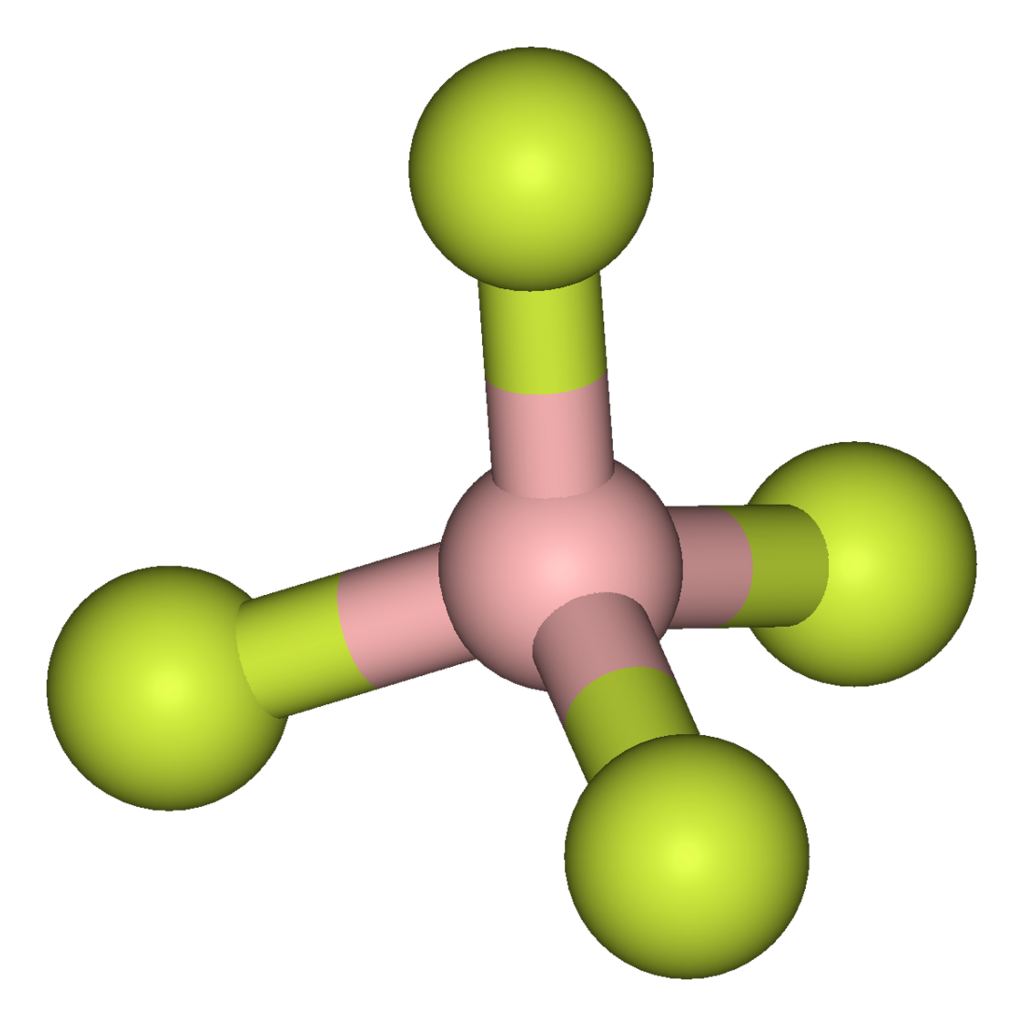
Fluorosilicic acid is an inorganic compound that dissociates in water into fluoride ions (F-) and silicic acid (H4SiO4). Its chemical structure consists
of two hydrogen atoms, six fluoride atoms, and a silicon atom, all tightly bonded. Upon dilution in water, it breaks down to form hydrofluoric acid (HF)
and silicic acid, with the fluoride ions serving as a key component for agricultural use.
The equation for its dissociation in water is as follows:

Hydrofluoric acid further dissociates into hydrogen ions (H+) and fluoride ions:

These fluoride ions are highly reactive and play an important role in agricultural chemistry.
Role of Fluorosilicic Acid in Fertilizer Production
The primary function of fluorosilicic acid in fertilizers is its ability to provide essential micronutrients to plants. Fluoride, being a critical element for both
plant and soil health, can help improve the overall nutrient absorption efficiency of fertilizers. Fluorosilicic acid serves two primary purposes in fertilizer production:
1、Phosphate Fertilizer Enhancement: Most fertilizers contain phosphates, which are essential for plant growth. During the manufacturing of phosphate fertilizers,
fluorosilicic acid is often added to enhance the solubility and bioavailability of phosphate compounds. The fluoride ions released from fluorosilicic acid can increase
the efficiency with which plants absorb phosphate from the soil, leading to better growth and yield.
2、Micronutrient Delivery: Fluorosilicic acid can also serve as a carrier for delivering micronutrients to plants. Micronutrients like zinc and iron are critical for
plant health but are required only in small quantities. Fluoride ions help solubilize these micronutrients, making them easier for plants to absorb. By acting as a chelating
agent, fluorosilicic acid improves the bioavailability of these nutrients, ensuring they can be effectively utilized by crops.
Chemical Reactions in the Soil
Once fertilizers containing fluorosilicic acid are applied to the soil, several important reactions take place that help release essential nutrients for plant uptake.
● Release of Fluoride Ions: As the fertilizer dissolves in the soil’s moisture, fluorosilicic acid dissociates into fluoride ions. These fluoride ions, in turn, help break
down complex phosphate compounds, converting them into more soluble forms that can be readily absorbed by plant roots.
● Interaction with Soil Minerals: Fluoride ions also interact with various minerals in the soil, such as calcium and magnesium. This can lead to the formation of
soluble fluorides that contribute to improved soil quality and structure. Additionally, fluoride ions help inhibit the formation of insoluble calcium phosphate, ensuring
that phosphate remains available to plants for a longer duration.
The overall reaction can be represented as:

In this reaction, calcium phosphate, which is a relatively insoluble form of phosphate, reacts with fluoride ions to form calcium fluoride (CaF2) and soluble phosphate
ions (PO43-). This solubilized phosphate is then easily absorbed by plants, facilitating more efficient nutrient uptake.
Benefits of Using Fluorosilicic Acid in Fertilizers
1、Increased Phosphate Availability: Fluorosilicic acid helps to solubilize phosphate compounds in fertilizers, making them more readily available to plants.
This increased availability ensures that plants receive an adequate supply of phosphorus, a key nutrient for root development and energy transfer.
2、Improved Nutrient Absorption: Fluoride ions help release micronutrients like zinc, iron, and manganese from the soil, ensuring that they are available for plant uptake.
These micronutrients are essential for various physiological processes, including photosynthesis and nitrogen fixation.
3、Enhanced Plant Growth and Yield: By improving the availability of both major nutrients (phosphates) and micronutrients, fertilizers containing fluorosilicic acid contribute
to better plant growth and higher crop yields. This makes it a valuable additive for modern agriculture, where maximizing productivity is a top priority.
4、Soil Structure Improvement: Fluorosilicic acid can interact with soil minerals to improve soil structure. Fluoride ions help break down mineral deposits, preventing soil
compaction and promoting better root penetration. This leads to healthier plants with stronger root systems.
5、Cost-Effective Additive: Since fluorosilicic acid is often produced as a by-product of phosphate fertilizer manufacturing, it is relatively inexpensive to source. This makes
it a cost-effective option for fertilizer producers looking to enhance the performance of their products without significantly increasing production costs.
Fluorosilicic acid plays a critical role in modern fertilizer production, improving the availability of key nutrients like phosphate and micronutrients to plants. By enhancing
nutrient absorption and promoting healthier plant growth, it contributes to higher crop yields and more efficient agricultural practices. However, its use must be carefully managed
to prevent environmental risks associated with excessive fluoride levels in the soil.
The chemical principles behind fluorosilicic acid's application in fertilizers, including its ability to solubilize phosphate and release essential micronutrients, make it a valuable
additive for improving agricultural productivity. As with all chemical inputs, balancing its benefits with environmental sustainability is key to its ongoing success in agriculture.
The Role of Zinc Fluorosilicate in Steel and Concrete Structures
Potassium Hexafluorotitanate (K2TiF6) in the Preparation of Efficient Optoelectronic Materials
Related Article
Discover why 70% hydrofluoric acid is preferred globally — balancing reactivity, safety, and cost-efficiency for glass, metal, and semiconductor industries.
Why International Buyers Prefer Purchasing Hydrofluoric Acid with 70% Concentration

FSSF Chemical leads you to discover the industrial uses of fluoroboric acid (HBF₄), including applications in electroplating, metal cleaning, catalysis, pharmaceuticals, and battery technology.
The Comprehensive Industrial Applications of Fluoroboric Acid (HBF4)