Exploring the Chemical Properties of Ammonium Fluoroborate and its Application in Metal Heat Treatment
2024-03-30
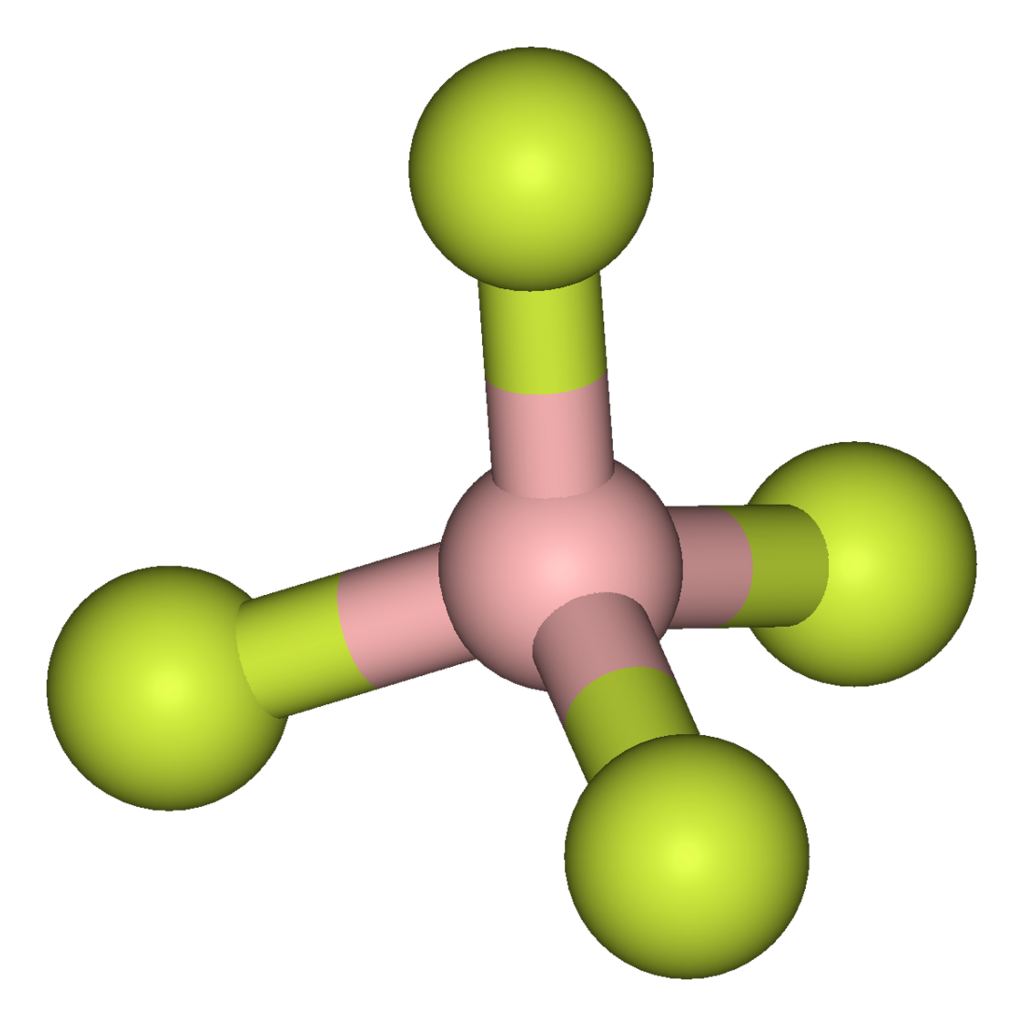
Ammonium fluoroborate, with the chemical formula NH₄BF₄, is a versatile compound known for its distinctive chemical properties. Its unique characteristics
make it a valuable component in various industrial processes, particularly in metal heat treatment applications. In this article, we will delve into the chemical
properties of ammonium fluoroborate and elucidate its significance in the realm of metalworking.

Chemical Properties of Ammonium Fluoroborate:
1. Solubility: Ammonium fluoroborate exhibits high solubility in water, facilitating its utilization in aqueous solutions for various chemical processes. This
property ensures easy handling and uniform distribution within solution matrices, essential for homogeneous treatment of metals during heat processing.
2. Acidic Nature: Due to the presence of the fluoride ion (F⁻), ammonium fluoroborate imparts acidic properties to solutions. The acidic character enables it to
participate in acid-catalyzed reactions, influencing metal surface interactions during heat treatment processes such as pickling and etching.
3. Fluoride Ion Release: Under appropriate conditions, NH₄BF₄ can release fluoride ions (F⁻) into solution. These fluoride ions play a crucial role in surface
modification reactions of metals, promoting the formation of protective fluoride layers that enhance corrosion resistance and surface finish.
4. Thermal Stability: Ammonium fluoroborate exhibits good thermal stability, making it suitable for applications involving elevated temperatures, such as metal
heat treatment. Its stability ensures consistent performance and reliability under thermal stress, contributing to process efficiency and reproducibility.
5. Complexation Ability: NH₄BF₄ has a propensity to form complexes with metal ions, influencing the kinetics and thermodynamics of various chemical reactions.
This complexation behavior is exploited in metal surface treatments, where the formation of stable complexes aids in the removal of surface contaminants and the
deposition of protective coatings.
6. Low Toxicity: Unlike some other fluorine-containing compounds, ammonium fluoroborate possesses relatively low toxicity, enhancing its safety profile for
industrial use. This characteristic is particularly advantageous in metalworking applications, where worker safety and environmental concerns are paramount.
Application in Metal Heat Treatment:
The distinctive chemical properties of ammonium fluoroborate render it indispensable in various aspects of metal heat treatment processes:
1、Surface Activation: Ammonium fluoroborate solutions are employed for surface activation of metals prior to heat treatment. The acidic nature of the solution
and the release of fluoride ions facilitate the removal of oxide layers and surface contaminants, promoting improved metallurgical bonding and uniform heat distribution
during subsequent processing steps.
2、Fluxing Agent: In soldering and brazing operations, NH₄BF₄ serves as a fluxing agent, facilitating the wetting and flow of molten filler metals on metal surfaces.
The formation of transient metal-flux complexes aids in the removal of surface oxides and promotes capillary action, ensuring strong and durable joints.
3、Quenching Medium: Ammonium fluoroborate solutions are utilized as quenching media in heat treatment processes such as martensitic hardening.
The rapid cooling properties of these solutions enable controlled phase transformations in metals, resulting in desired mechanical properties such as enhanced hardness
and toughness.
4、Surface Protection: The formation of fluoride-rich layers on metal surfaces through treatment with ammonium fluoroborate solutions provides effective corrosion
protection. These protective layers act as barriers against corrosive agents, extending the service life of metal components in demanding environments.

In conclusion, the chemical properties of ammonium fluoroborate confer upon it a multitude of functionalities crucial for metal heat treatment applications. Its solubility, acidity,
thermal stability, and complexation abilities, combined with low toxicity, make it an indispensable component in various industrial processes. From surface activation to fluxing
and quenching, NH₄BF₄ plays a pivotal role in enhancing the performance, durability, and longevity of metal products across diverse sectors of manufacturing and engineering.
Sodium Fluoroaluminate: Versatile Applications in the Metallurgical Industry
Exploring Hexafluorosilicic Acid's Contribution to Water Treatment
Related Article
Discover why 70% hydrofluoric acid is preferred globally — balancing reactivity, safety, and cost-efficiency for glass, metal, and semiconductor industries.
Why International Buyers Prefer Purchasing Hydrofluoric Acid with 70% Concentration

FSSF Chemical leads you to discover the industrial uses of fluoroboric acid (HBF₄), including applications in electroplating, metal cleaning, catalysis, pharmaceuticals, and battery technology.
The Comprehensive Industrial Applications of Fluoroboric Acid (HBF4)