Ammonium Hydrogen fluoride in the Textile Industry
2024-06-29
Ammonium hydrogen fluoride (NH4HF2), also known as ammonium bifluoride, is a chemical compound that plays a critical role
in various industrial applications due to its unique properties. In the textile industry, ammonium hydrogen fluoride is utilized for its
ability to improve dyeing processes, enhance fiber durability, and provide specialized surface treatments. This article delves into the
detailed applications and processes involving ammonium hydrogen fluoride in the textile sector.

Chemical Properties of Ammonium Hydrogen Fluoride
Ammonium hydrogen fluoride is a salt formed from the reaction of ammonia (NH3) and hydrofluoric acid (HF). It is highly soluble in water
and exhibits strong acidic properties. The compound is known for its ability to etch glass and metals, dissolve silicates, and react with various
organic and inorganic substances, making it a versatile reagent in industrial processes.
Applications in the Textile Industry
1、Fiber Treatment and Dyeing Enhancement
One of the primary uses of ammonium hydrogen fluoride in the textile industry is in the pre-treatment of fibers to improve dye uptake and
uniformity. Natural fibers like cotton, wool, and silk, as well as synthetic fibers like polyester and nylon, often contain impurities and natural
oils that can hinder dye absorption. Ammonium hydrogen fluoride effectively cleans these fibers, removing surface impurities and preparing
them for more efficient dyeing.
a、Impurity Removal: The compound's acidic nature allows it to break down and remove waxes, oils, and other contaminants from fiber
surfaces. This cleaning process ensures that the fibers are more receptive to dye molecules.
b、Improved Dye Penetration: By etching the fiber surface slightly, ammonium hydrogen fluoride creates micro-channels that facilitate
deeper dye penetration, resulting in more vibrant and uniform coloration.
c、Enhanced Color Fastness: Treated fibers exhibit improved color fastness, meaning the dyes are less likely to fade or wash out over time.
This is particularly important for fabrics intended for long-term use or exposure to harsh conditions.
2、Surface Modification and Functionalization
Ammonium hydrogen fluoride is also used to chemically modify the surface properties of textile fibers, imparting specific functional characteristics
such as hydrophobicity, hydrophilicity, and anti-static properties.
a、Hydrophobic Treatments: In applications where water resistance is desired, such as outdoor and performance textiles, ammonium hydrogen
fluoride can be used to modify fiber surfaces, making them repellent to water. This treatment involves creating a thin, durable coating on the fibers
that prevents water absorption while maintaining breathability.
b、Anti-Static Treatments: Synthetic fibers, especially those used in carpeting and upholstery, can generate static electricity, leading to discomfort
and attracting dust and dirt. Ammonium hydrogen fluoride can be used to apply anti-static finishes to these fibers, reducing static build-up and enhancing
the comfort and cleanliness of the finished products.
c、Surface Cleaning and Brightening: The compound's etching properties can also be used to clean and brighten textile surfaces, enhancing the overall
appearance and texture of fabrics.
3、Fiber Strengthening and Durability Enhancement
The chemical treatment of fibers with ammonium hydrogen fluoride can improve their mechanical properties, making them more resistant to wear and tear.
a、Durability Enhancement: Treated fibers exhibit increased resistance to abrasion and mechanical stress, extending the lifespan of the textile products.
This is particularly beneficial for industrial textiles, workwear, and other applications where durability is a key requirement.
b、Chemical Resistance: The treatment can also enhance the fibers' resistance to chemical degradation from exposure to harsh cleaning agents, solvents,
and other environmental factors.
4、Specialized Textile Processing
In addition to the broad applications mentioned above, ammonium hydrogen fluoride is used in specialized textile processes such as the production of
flame-retardant fabrics and high-performance textiles.
a、Flame Retardancy: By incorporating ammonium hydrogen fluoride into the fiber treatment process, textiles can be made more resistant to ignition
and flame spread. This is crucial for applications in home furnishings, transportation, and protective clothing.
b、High-Performance Textiles: For technical textiles used in aerospace, automotive, and medical applications, precise control over fiber properties is
essential. Ammonium hydrogen fluoride treatments allow for the fine-tuning of fiber characteristics to meet stringent performance standards.

Ammonium hydrogen fluoride is a valuable chemical in the textile industry, offering a range of applications from fiber treatment and dye enhancement to
surface modification and durability improvement. Its versatility and effectiveness make it an essential tool for producing high-quality, high-performance textiles.
However, the handling and use of ammonium hydrogen fluoride require stringent safety measures to protect workers and the environment. By leveraging the
unique properties of this compound, the textile industry can achieve significant advancements in product quality and performance.
The Industrial Application of Fluorosilicic Acid as an Opacifier in Enamel
Potassium Fluotitanate in the Production of Specialized Electronic Materials and Components
Related Article
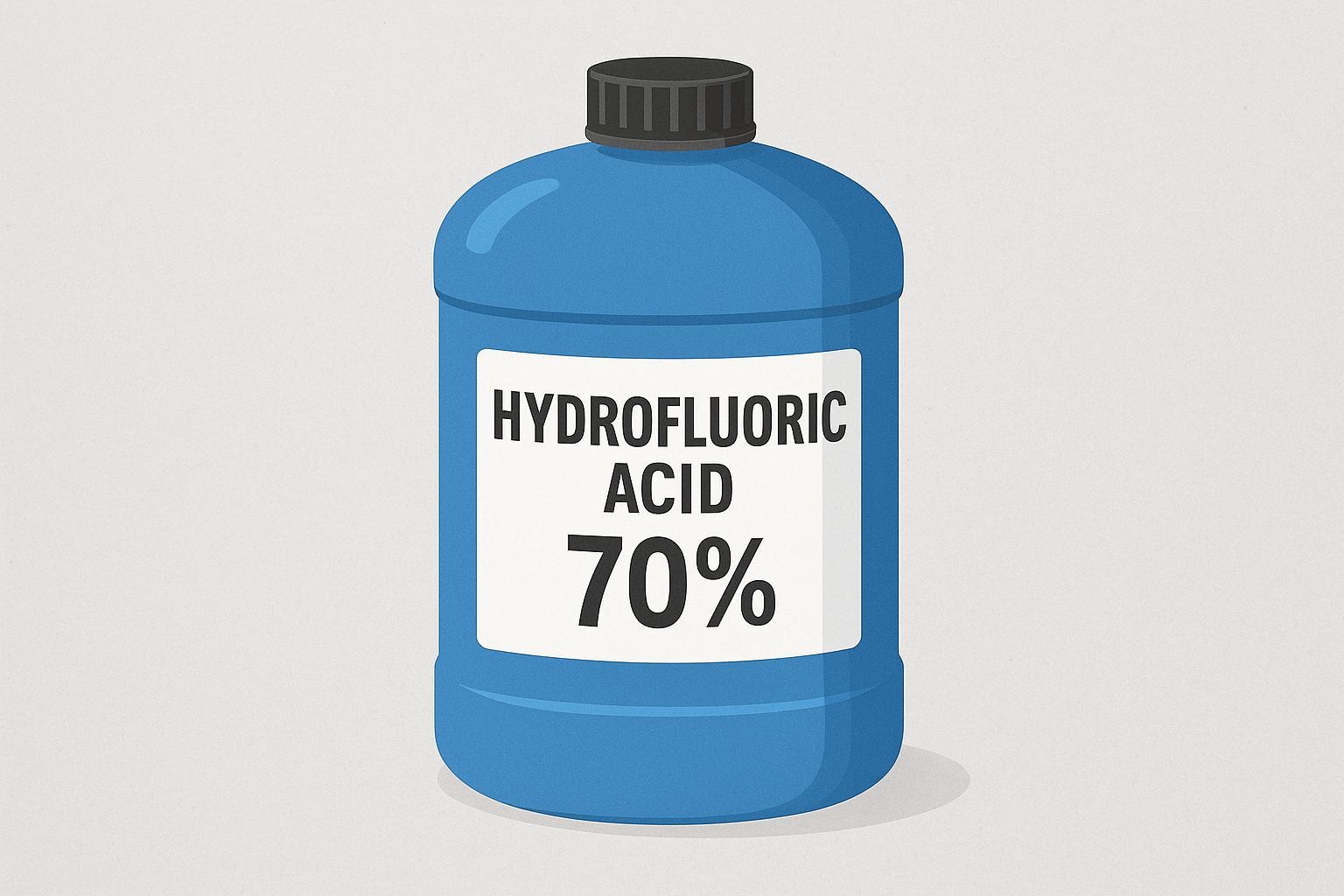
Discover why 70% hydrofluoric acid is preferred globally — balancing reactivity, safety, and cost-efficiency for glass, metal, and semiconductor industries.
Why International Buyers Prefer Purchasing Hydrofluoric Acid with 70% Concentration
FSSF Chemical leads you to discover the industrial uses of fluoroboric acid (HBF₄), including applications in electroplating, metal cleaning, catalysis, pharmaceuticals, and battery technology.
The Comprehensive Industrial Applications of Fluoroboric Acid (HBF4)