Ammonium Fluorosilicate in Herbicides
2024-05-07
Ammonium fluorosilicate, also known as ammonium hexafluorosilicate or ammonium silicofluoride, is a compound commonly employed in herbicides.
Its application in weed control is facilitated by its unique properties and mechanisms of action. In this article, we will delve into the reasons behind its
use in herbicides, how it is applied, and the advantages it offers compared to other weed control methods.
Ammonium fluorosilicate is an inorganic compound with the chemical formula (NH4)2SiF6. It is typically found in the form of white crystals or powder.
This compound is soluble in water and forms acidic solutions.
Mechanism of Action in Herbicides:
The effectiveness of ammonium fluorosilicate as a herbicide lies in its ability to disrupt essential processes in plants, ultimately leading to their demise.
Upon application, the compound dissociates into fluoride ions (F-) and silicic acid (H2SiF6). Fluoride ions interfere with crucial enzymatic reactions in plants,
disrupting their metabolism and inhibiting growth. Additionally, silicic acid disrupts cell wall formation, further impeding plant development.
Application of Ammonium Fluorosilicate in Herbicides:
Herbicides incorporating ammonium fluorosilicate are typically formulated as liquid concentrates or granular products for ease of application.
These formulations may contain additional ingredients such as surfactants, adjuvants, and other herbicidal compounds to enhance efficacy and ensure
uniform distribution.
Liquid formulations are commonly applied using sprayers, which allow for precise targeting of weeds while minimizing contact with desirable plants.
Granular formulations, on the other hand, are often spread evenly over the soil surface, where they gradually release the active ingredient into the
root zone of target plants.
Advantages Over Other Herbicides:
1. Selective Targeting: One of the notable advantages of herbicides containing ammonium fluorosilicate is their ability to selectively target weeds
while minimizing harm to desirable plants. This selective action reduces the risk of collateral damage to crops or ornamental vegetation.
2. Residual Activity: Herbicides incorporating ammonium fluorosilicate exhibit residual activity in the soil, providing prolonged weed control compared
to some other herbicidal agents. This extended activity helps in preventing weed regrowth and ensures long-lasting suppression.
3. Broad Spectrum Control: While being selective in their action, herbicides with ammonium fluorosilicate offer broad-spectrum control against a wide
range of weed species. This versatility makes them suitable for use in various agricultural, horticultural, and landscaping settings.
4. Low Application Rates: Due to its potency, herbicides containing ammonium fluorosilicate can be applied at relatively low rates compared to some
alternative herbicidal products. This not only reduces the quantity of chemical required for effective weed control but also contributes to cost-effectiveness
and environmental sustainability.
5、Weather Resistance: Ammonium fluorosilicate-based herbicides exhibit resistance to weathering factors such as rainfall, ensuring their efficacy under
diverse environmental conditions. This weather resistance enhances their reliability and consistency in weed management practices.

In conclusion, ammonium fluorosilicate serves as a valuable component in herbicides, offering selective and efficient weed control with minimal
environmental impact. Its incorporation into herbicidal formulations underscores ongoing efforts to develop effective and sustainable solutions for
weed management in agriculture and landscaping. By understanding its mechanisms and advantages, stakeholders can make informed decisions
regarding weed control strategies, promoting both productivity and environmental stewardship.
The Application of Zinc Fluorosilicate in Gypsum
Explore The Applications of Sodium Tetrafluoroborate in Oilfield
Related Article
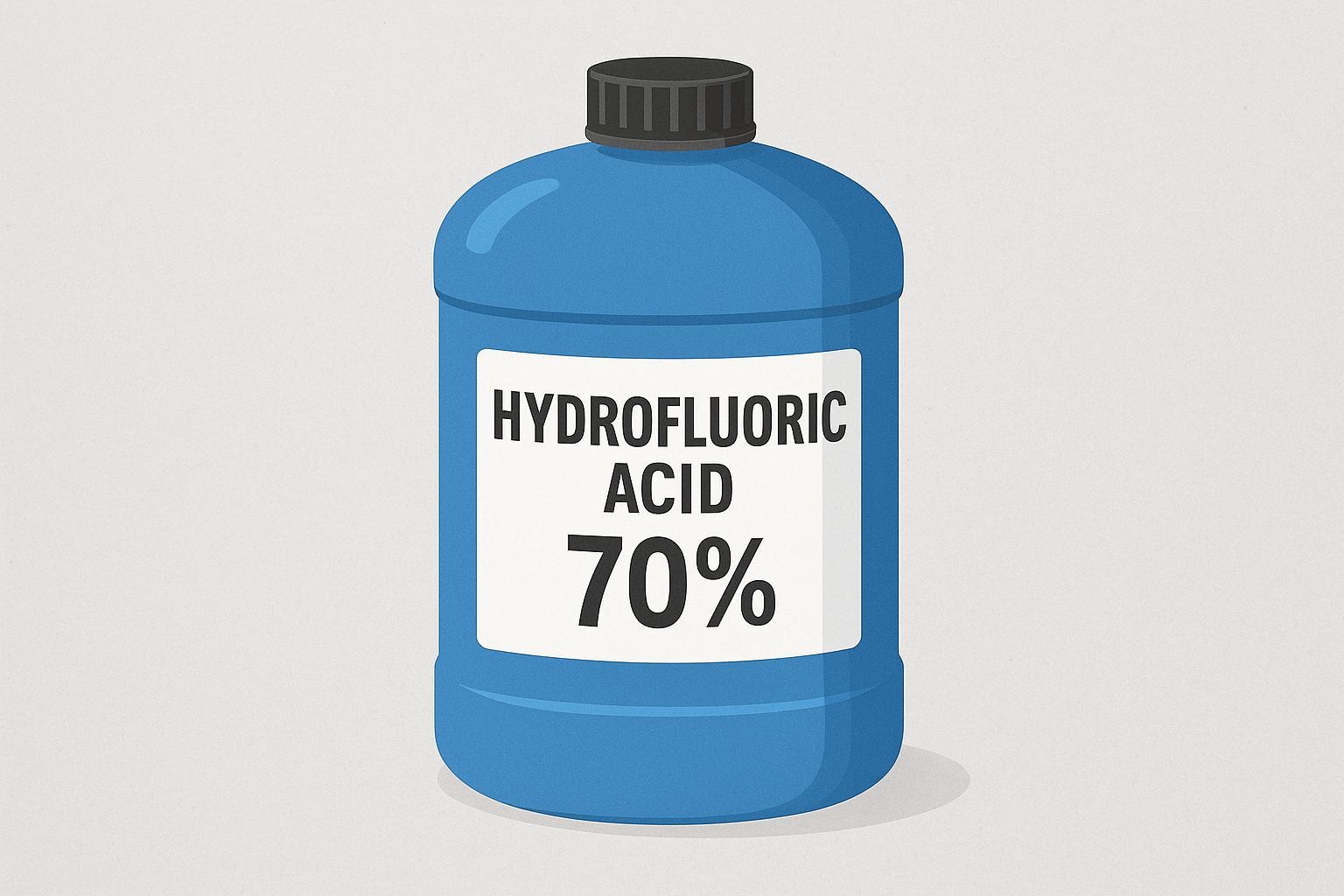
Discover why 70% hydrofluoric acid is preferred globally — balancing reactivity, safety, and cost-efficiency for glass, metal, and semiconductor industries.
Why International Buyers Prefer Purchasing Hydrofluoric Acid with 70% Concentration

FSSF Chemical leads you to discover the industrial uses of fluoroboric acid (HBF₄), including applications in electroplating, metal cleaning, catalysis, pharmaceuticals, and battery technology.
The Comprehensive Industrial Applications of Fluoroboric Acid (HBF4)