Ammonium Fluoroborate in Supercapacitor Electrolytes
2024-07-09
Supercapacitors, also known as ultracapacitors, are energy storage devices that bridge the gap between conventional capacitors and batteries.
They combine the rapid charge and discharge capabilities of capacitors with the energy storage potential of batteries, making them ideal for applications
requiring quick bursts of energy and high power density. The performance of supercapacitors is heavily influenced by the materials used in their construction,
particularly the electrolyte. Ammonium fluoroborate (NH4BF4) has emerged as a key component in supercapacitor electrolytes, offering several advantages
that enhance the overall performance of these devices.
Chemical Properties of Ammonium Fluoroborate
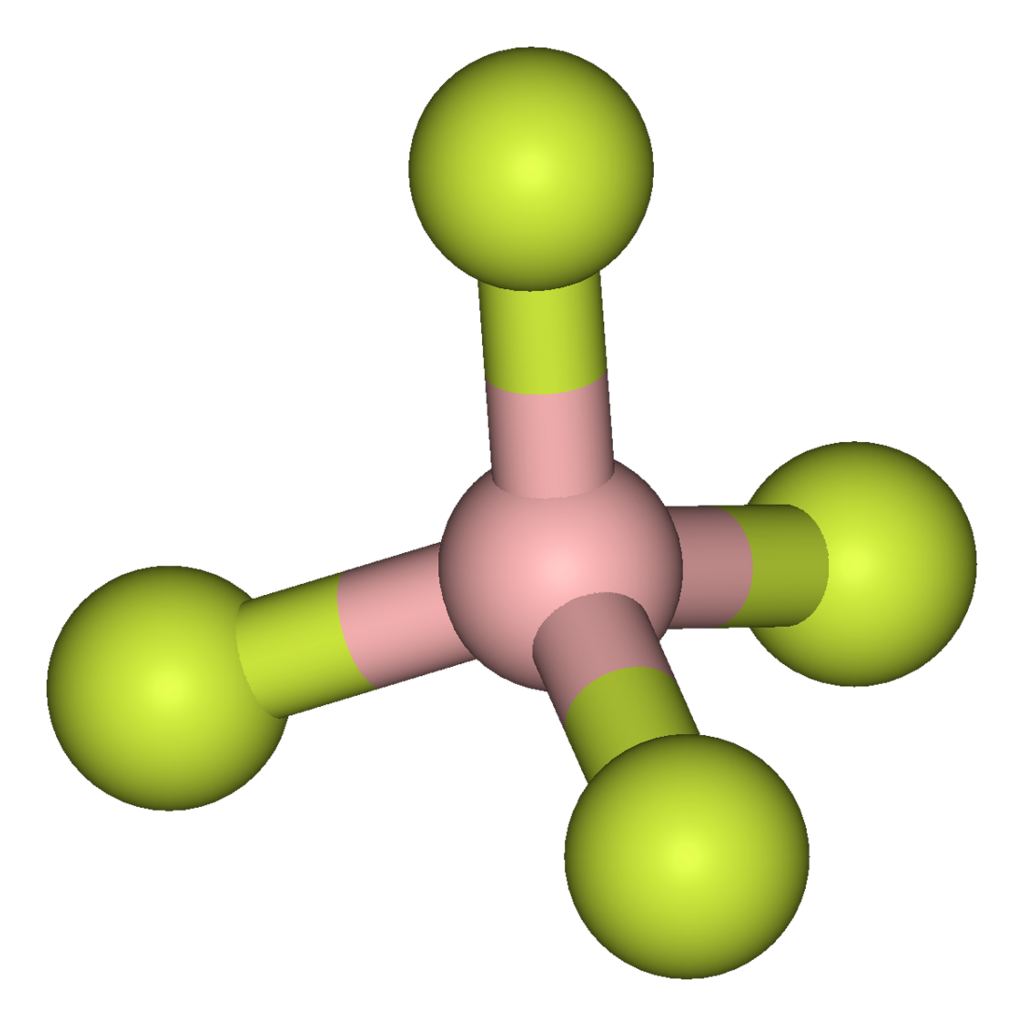
Ammonium fluoroborate is an inorganic compound composed of ammonium ions (NH4+) and fluoroborate anions (BF4-). It is a white crystalline solid that is soluble
in water and various organic solvents. The fluoroborate ion is notable for its stability and ability to form complexes with various cations, which contributes to its effectiveness
in electrolyte solutions.

High Ionic Conductivity
One of the primary reasons ammonium fluoroborate is used in supercapacitor electrolytes is its high ionic conductivity. In an electrolyte solution, NH4BF4 dissociates
into NH4+ and BF4- ions, which move freely and carry electric charge between the electrodes. This high ionic mobility ensures efficient charge transport, minimizing
internal resistance and improving the overall power density of the supercapacitor.
Wide Electrochemical Window
The electrochemical stability window of an electrolyte determines the voltage range over which the electrolyte remains stable without decomposing.
Ammonium fluoroborate exhibits a wide electrochemical window, allowing supercapacitors to operate at higher voltages. This is crucial for increasing the
energy density of the device, as the energy stored in a capacitor is proportional to the square of the voltage (E = 1/2 CV2). By enabling higher operating
voltages, NH4BF4 helps supercapacitors store more energy.
Chemical Stability
The chemical stability of an electrolyte is essential for the long-term performance and durability of supercapacitors. Ammonium fluoroborate is chemically stable,
meaning it does not easily decompose or react with other components in the electrolyte or with the electrode materials. This stability reduces the risk of electrolyte
degradation, which can lead to performance loss over time. As a result, supercapacitors with NH4BF4-based electrolytes tend to have longer lifespans and maintain
their performance over more charge-discharge cycles.
Low Resistance
Internal resistance within a supercapacitor can significantly affect its efficiency and power output. Ammonium fluoroborate helps reduce the internal resistance of the
electrolyte, thereby improving the power density of the device. This low resistance is partly due to the high ionic conductivity of NH4BF4 and its ability to form a uniform
and stable ionic environment within the electrolyte.
Compatibility with Various Solvents
Ammonium fluoroborate is compatible with a wide range of solvents, both aqueous and organic. This versatility allows for the formulation of electrolytes tailored to
specific supercapacitor applications. For instance, NH4BF4 can be dissolved in solvents like acetonitrile (ACN) and propylene carbonate (PC) to create high-performance
electrolytes with enhanced conductivity and stability. These organic solvents can further extend the electrochemical stability window and improve the temperature tolerance
of the electrolyte.
Combination with Ionic Liquids
In recent years, the use of ionic liquids (ILs) in supercapacitor electrolytes has gained attention due to their unique properties, such as low volatility, high thermal stability,
and wide electrochemical windows. Ammonium fluoroborate can be combined with ionic liquids to create hybrid electrolytes that capitalize on the strengths of both components.
The resulting electrolytes often exhibit superior performance, including higher ionic conductivity, better thermal stability, and extended operating voltage ranges.
Practical Applications and Future Prospects
The incorporation of ammonium fluoroborate into supercapacitor electrolytes has practical implications for various industries. In automotive applications, supercapacitors
are used for regenerative braking systems, where they capture and store energy during braking and release it during acceleration. The high power density and
rapid charge-discharge capabilities of NH4BF4-based supercapacitors make them ideal for this purpose. Similarly, in renewable energy systems, supercapacitors
can provide quick bursts of energy to stabilize power grids and smooth out fluctuations in energy supply.

Looking forward, research is ongoing to further optimize the use of ammonium fluoroborate in supercapacitor electrolytes. Scientists are exploring new solvent systems,
hybrid electrolytes, and advanced electrode materials to push the boundaries of supercapacitor performance. Additionally, efforts are being made to improve the environmental
sustainability and cost-effectiveness of NH4BF4 production and use.
Ammonium fluoroborate plays a critical role in advancing the performance of supercapacitor electrolytes. Its high ionic conductivity, wide electrochemical window,
chemical stability, low resistance, and compatibility with various solvents make it an ideal choice for enhancing the energy and power density of supercapacitors.
As research and development continue, the potential for NH4BF4-based electrolytes to revolutionize energy storage systems remains promising, paving the way for
more efficient and durable supercapacitors in a wide range of applications.
Sodium Fluoride as an Insecticide
The Industrial Application of Fluorosilicic Acid as an Opacifier in Enamel
Related Article
Discover why 70% hydrofluoric acid is preferred globally — balancing reactivity, safety, and cost-efficiency for glass, metal, and semiconductor industries.
Why International Buyers Prefer Purchasing Hydrofluoric Acid with 70% Concentration

FSSF Chemical leads you to discover the industrial uses of fluoroboric acid (HBF₄), including applications in electroplating, metal cleaning, catalysis, pharmaceuticals, and battery technology.
The Comprehensive Industrial Applications of Fluoroboric Acid (HBF4)