The Role of Ammonium Fluoride in Aluminum Surface Passivation: Enhancing Corrosion Resistance
2024-10-18
Aluminum is one of the most widely used metals across multiple industries, thanks to its favorable properties such as lightweight, high strength-to-weight ratio,
and excellent corrosion resistance. However, to optimize aluminum’s performance in harsh environments, particularly in the aerospace, automotive, and electronics
industries, a surface treatment known as passivation is often applied. Passivation involves the chemical treatment of the aluminum surface to enhance its natural oxide
layer, which offers added protection against corrosion and oxidation. One of the chemicals commonly used in this process is ammonium fluoride (NH₄F). This article delves
into the specific role of ammonium fluoride in aluminum passivation, its benefits, and the practical applications of this treatment.
What is Ammonium Fluoride?
Ammonium fluoride is an inorganic compound with the chemical formula NH₄F. It appears as a white crystalline solid and is highly soluble in water. This compound is
known for its reactive nature, particularly with metal surfaces, where it can assist in removing oxide layers and preparing surfaces for further chemical treatments.
In aluminum passivation, ammonium fluoride’s unique properties make it an ideal agent for enhancing the protective characteristics of aluminum surfaces.

Understanding Aluminum Passivation and Its Importance
Aluminum naturally forms a thin oxide layer when exposed to oxygen. This oxide layer, while somewhat protective, is typically not enough to withstand
the harsh environmental conditions found in applications like aviation, marine, and industrial settings. Passivation of aluminum involves applying a controlled
chemical treatment to increase the thickness and resilience of this oxide layer, which enhances the metal’s resistance to corrosion, oxidation, and other forms of degradation.
Passivation with ammonium fluoride is particularly effective because it not only strengthens the oxide layer but also helps prepare the aluminum surface for any further
coating or finishing processes, such as painting or anodizing. This double-action makes ammonium fluoride treatment especially valuable in industries where aluminum
parts are exposed to corrosive conditions or where they require additional coatings for aesthetic or functional reasons.
How Ammonium Fluoride Works in Aluminum Passivation
The process of using ammonium fluoride in aluminum passivation typically follows a series of carefully controlled steps:
1、Surface Preparation:
The first stage of the passivation process is surface preparation, where any dirt, grease, or contaminants on the aluminum surface are removed. This step may
involve mechanical cleaning or the use of organic solvents. For optimal results, the aluminum surface must be completely clean before ammonium fluoride is applied.
2、Application of Ammonium Fluoride Solution:
Once the aluminum is thoroughly cleaned, a solution of ammonium fluoride is applied to the surface. The concentration of ammonium fluoride in this solution is carefully
controlled based on the specific requirements of the application. This solution is typically applied in a bath, where the aluminum is submerged, or as a spray in some automated
settings. The ammonium fluoride solution interacts with the natural oxide layer on the aluminum surface, selectively etching away imperfections and preparing a uniform surface
for further oxidation.
3、Chemical Reaction with the Aluminum Oxide Layer:
Ammonium fluoride plays a key role in refining the aluminum oxide layer. It reacts with the aluminum oxide, Al₂O₃, breaking it down in a controlled manner to remove any weak
points or inconsistencies. This controlled etching results in a smooth, uniform surface where a new oxide layer can develop with enhanced protective properties.
4、Formation of a New Protective Oxide Layer:
After the ammonium fluoride treatment, the aluminum is usually rinsed to remove any residual chemicals. The freshly exposed aluminum then naturally re-oxidizes in air or
through an additional oxidizing step to form a new, thicker oxide layer. This new oxide layer is stronger, more uniform, and better equipped to resist corrosion and oxidation,
thereby extending the longevity of the aluminum.
5、Post-Treatment and Optional Coatings:
In many cases, after the passivation process, the aluminum surface is further coated with paint, anodizing layers, or other protective films. The ammonium fluoride treatment
improves the adhesion of these coatings, making the final product not only more durable but also aesthetically pleasing.
Benefits of Using Ammonium Fluoride in Aluminum Passivation
The use of ammonium fluoride in aluminum passivation has several advantages:
● Enhanced Corrosion Resistance:
The primary benefit of ammonium fluoride passivation is its ability to create a more durable oxide layer. This layer acts as a barrier against moisture, salts, and other corrosive
elements, preventing these substances from reaching the aluminum and causing damage.
● Improved Surface Smoothness:
Ammonium fluoride effectively smoothens the aluminum surface by removing impurities and creating a uniform substrate. This smoothness is crucial for applications where the
aluminum must be coated, as it ensures that coatings or paints will adhere evenly and without defects.
● Increased Adhesion for Coatings:
The passivated aluminum surface has improved adhesion properties, making it an ideal substrate for additional coatings, whether for aesthetic, functional, or protective
purposes. This is particularly useful in industries that require colored or textured aluminum surfaces, such as automotive and electronics manufacturing.
● Enhanced Durability in Extreme Conditions:
Aluminum parts treated with ammonium fluoride passivation show improved durability under extreme environmental conditions, such as high humidity,
saline atmospheres, or industrial pollutants. This makes the treatment highly desirable in aerospace, marine, and outdoor applications.
Applications of Ammonium Fluoride-Passivated Aluminum
Due to the advantages mentioned, ammonium fluoride passivation is widely applied in various fields. Here are a few examples:
1、Aerospace Industry:
In aerospace engineering, aluminum is often used for components exposed to high altitudes and extreme temperatures. Ammonium fluoride passivation enhances these
components’ resistance to corrosion, ensuring the longevity and reliability of critical parts such as fuselages, wings, and structural supports.
2、Automotive Industry:
Many automotive components, including engine parts, chassis elements, and exterior panels, are made of aluminum. By passivating these parts with ammonium fluoride,
manufacturers can increase their corrosion resistance and lifespan, especially in regions with high humidity or salted roads.
3、Marine Applications:
Aluminum is widely used in marine applications, where the material is exposed to saltwater and humidity. Ammonium fluoride passivation helps to create a robust oxide layer
that shields aluminum from salt-induced corrosion, making it an ideal treatment for boats, docks, and offshore structures.

4、Electronics and Electrical Engineering:
Aluminum passivation is also beneficial for electronic devices that use aluminum enclosures or heat sinks. In these applications, the improved surface smoothness and
increased corrosion resistance offered by ammonium fluoride treatment prevent oxidation, thus extending the functional lifespan of these components.
Ammonium fluoride has proven to be an invaluable agent in the passivation of aluminum surfaces. Its ability to remove surface imperfections, create a uniform substrate,
and improve the durability of aluminum components makes it highly useful across multiple industries. From aerospace to marine applications, ammonium fluoride passivation
enables aluminum to withstand the harshest environments, all while enhancing adhesion for additional coatings and ensuring a smooth, corrosion-resistant finish. As industries
continue to demand more from aluminum materials, the role of ammonium fluoride in passivation is likely to grow, supporting the production of safer, more resilient, and
longer-lasting aluminum products.
The Application of Potassium Tetrafluoroborate (KBF4) in the Electronics Industry
The Role of Zinc Fluorosilicate in Steel and Concrete Structures
Related Article
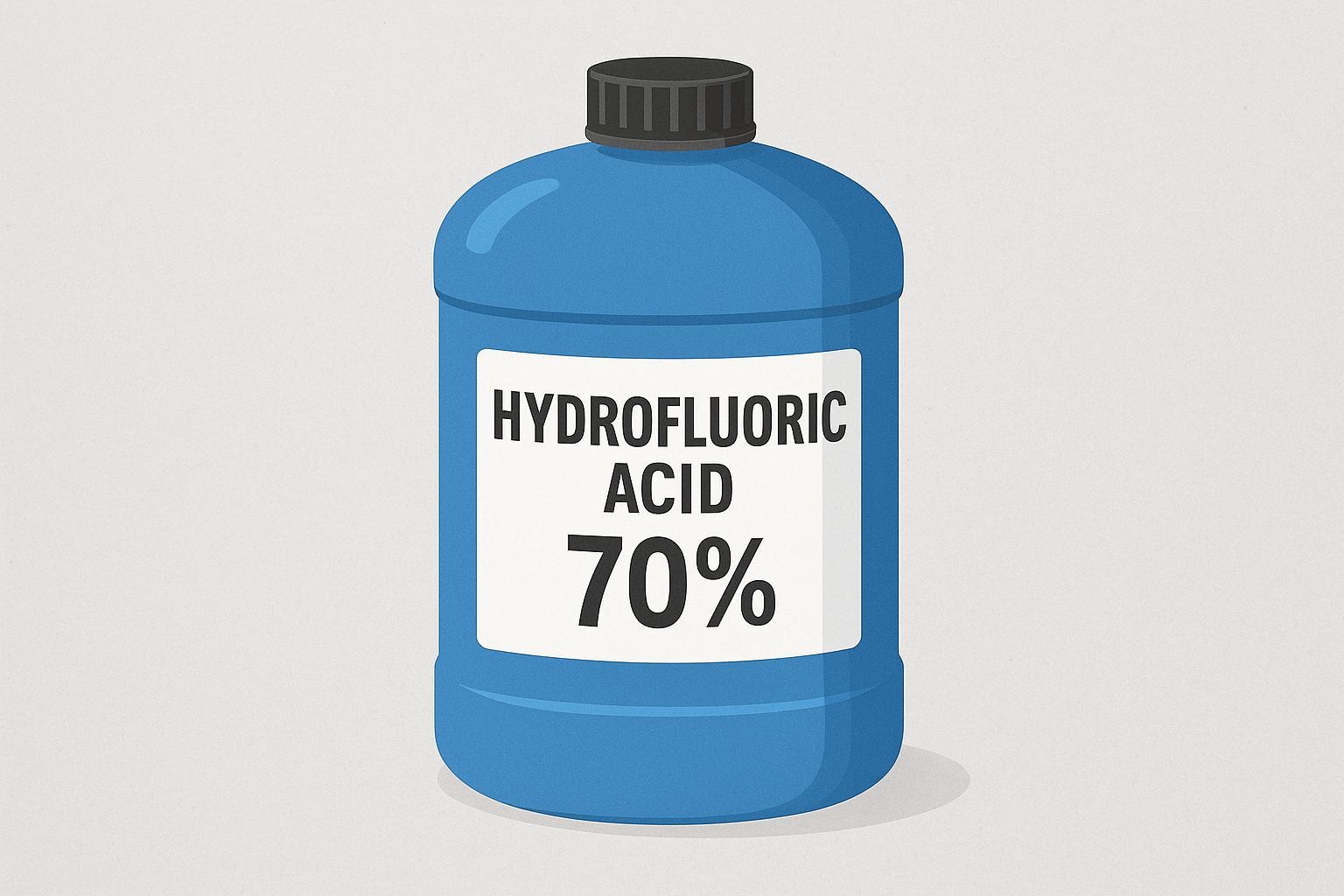
Discover why 70% hydrofluoric acid is preferred globally — balancing reactivity, safety, and cost-efficiency for glass, metal, and semiconductor industries.
Why International Buyers Prefer Purchasing Hydrofluoric Acid with 70% Concentration
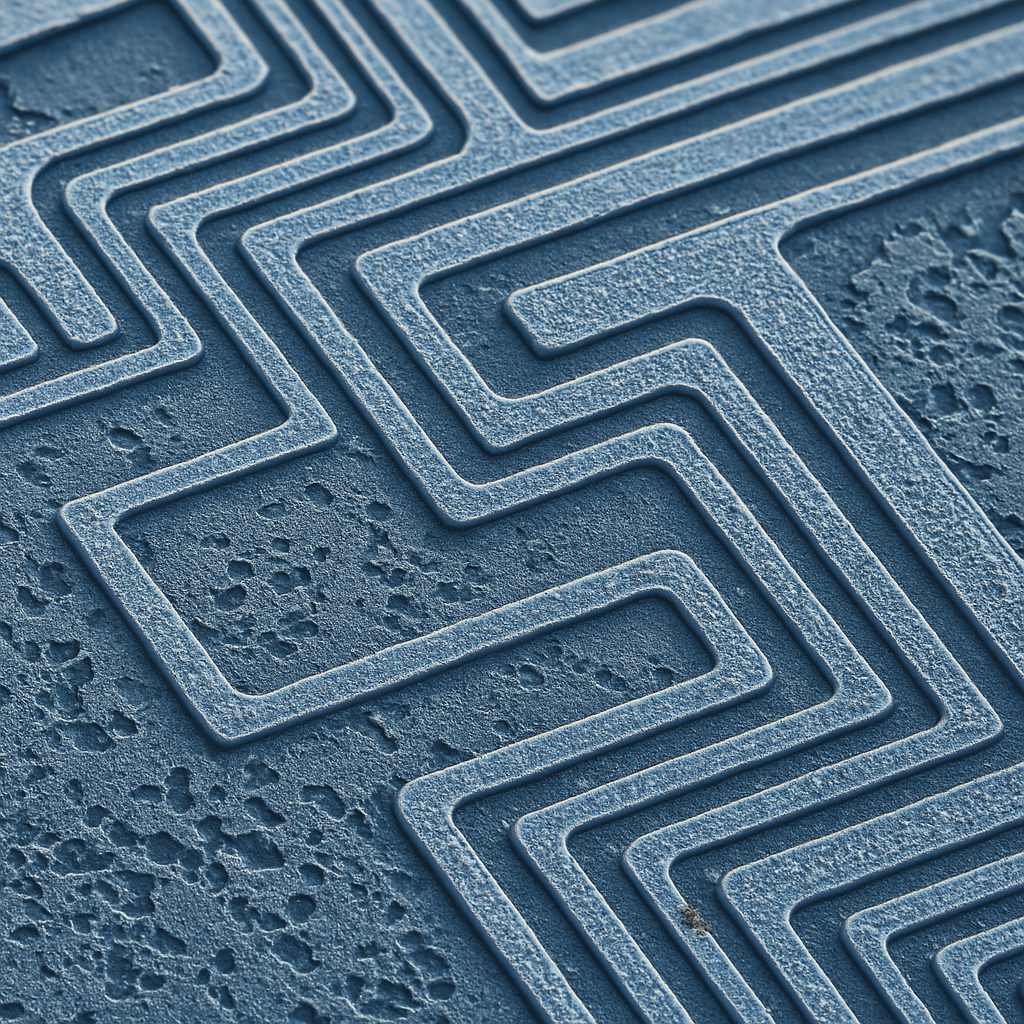
FSSF Chemical leads you to discover the industrial uses of fluoroboric acid (HBF₄), including applications in electroplating, metal cleaning, catalysis, pharmaceuticals, and battery technology.
The Comprehensive Industrial Applications of Fluoroboric Acid (HBF4)