Ammonium Fluoride: Enhancing the Glass Etching Process
2023-07-01
Glass etching agents are widely utilized chemical etchants that create minuscule indentations or protrusions on
glass surfaces, a fundamental aspect of the glass etching process. Ammonium fluoride stands out as a frequently
employed additive in glass etching. Its inclusion significantly enhances the efficacy of the etchant, leading to
improved efficiency and superior etching quality.

To begin, ammonium fluoride plays a crucial role in augmenting the reactivity of glass etchants. Throughout the etching process,
the etchant must engage in a chemical reaction with the glass surface to produce a compound amenable to etching.
The incorporation of ammonium fluoride serves to catalyze this chemical reaction, consequently elevating the reactivity of
the etchant and enhancing the overall efficiency of the etching procedure.
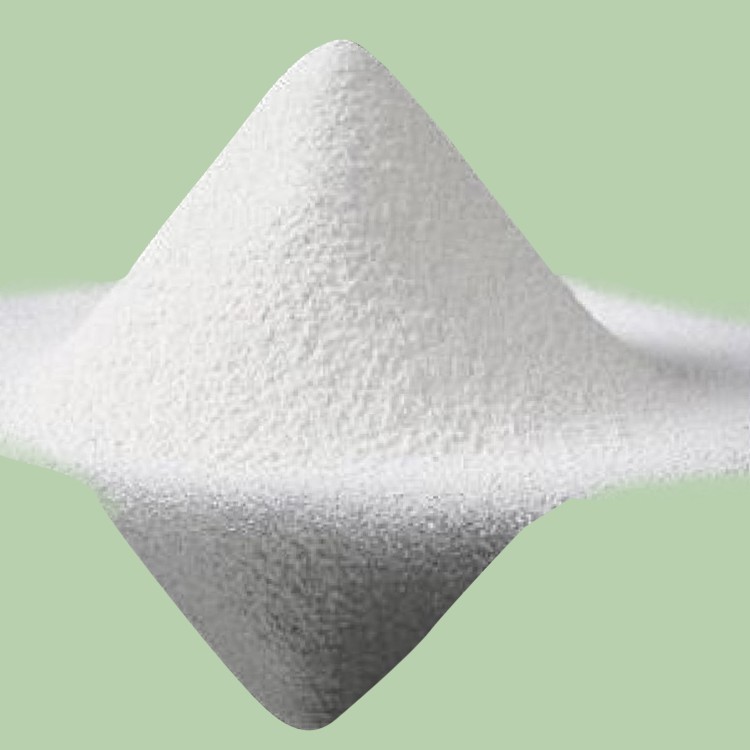
Furthermore, ammonium fluoride contributes to the enhancement of glass etchant quality. Within the etching process,
the quality of glass surface etching directly influences the overall outcome. The inclusion of ammonium fluoride ensures
a more uniform interaction between the etchant and the glass surface, resulting in an improved etching quality while
minimizing issues like uneven etching and surface roughness.
Moreover, ammonium fluoride serves to lower the etching temperature of glass etchants. Excessively high etching temperatures
during the etching process can result in undesirable issues like glass surface deformation and cracking. Incorporating ammonium fluoride
effectively mitigates this concern by reducing the etching temperature, thus curbing the incidence of such problems and bolstering the
overall stability and reliability of the etching process.

To sum up, ammonium fluoride holds significant importance as a glass etchant additive. Its contributions encompass heightened
etchant reactivity, enhanced etching quality, reduced etching temperatures, all leading to elevated efficiency and superior overall
quality in the etching process.
Ammonium Bifluoride-Enhancing Electronic Component Cleaning
Why Choose Ammonium Fluorosilicate in Brewing?
Related Article
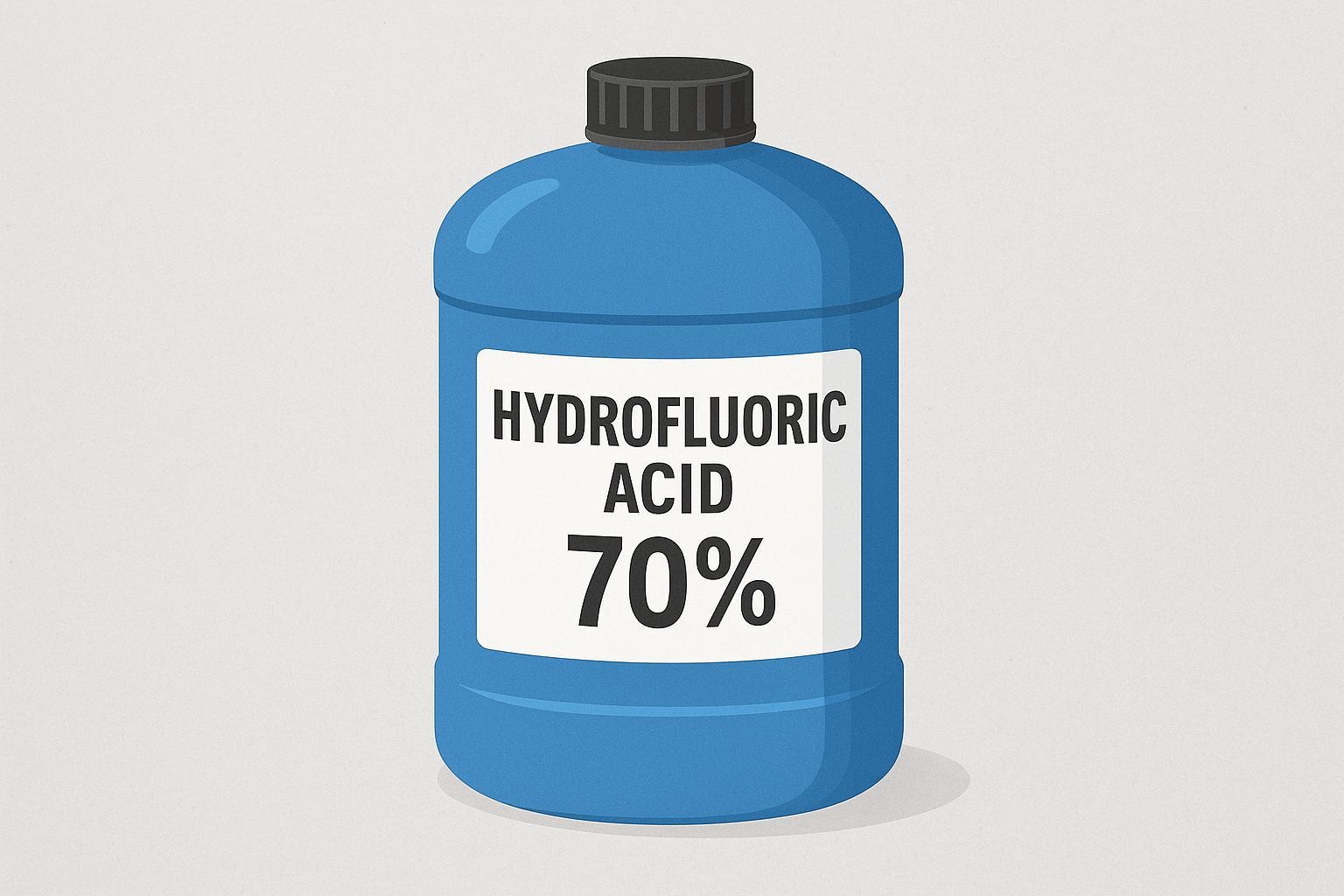
Discover why 70% hydrofluoric acid is preferred globally — balancing reactivity, safety, and cost-efficiency for glass, metal, and semiconductor industries.
Why International Buyers Prefer Purchasing Hydrofluoric Acid with 70% Concentration

FSSF Chemical leads you to discover the industrial uses of fluoroboric acid (HBF₄), including applications in electroplating, metal cleaning, catalysis, pharmaceuticals, and battery technology.
The Comprehensive Industrial Applications of Fluoroboric Acid (HBF4)