Enhancing Metal Beauty: The Art of Anodizing with Ammonium Bifluoride
2023-09-12
Anodizing, the electrochemical process of enhancing the surface of metals, plays a pivotal role in modern industry.
It provides a dual benefit of improved corrosion resistance and aesthetic appeal. Among the many chemicals
employed in anodizing, ammonium bifluoride (NH4HF2) stands as a key player. In this comprehensive exploration,
we delve into the art and science of anodizing, with a particular focus on the remarkable contributions of ammonium bifluoride
in achieving impeccable results. From its chemical properties to its diverse applications, we unveil the secrets of this potent compound
that transforms ordinary metals into extraordinary components.

The Artistry in Anodizing
Imagine a sleek, aluminum iPhone casing, or a shimmering titanium bicycle frame. These objects of desire owe their allure to anodizing,
a process that combines science and artistry. Anodizing involves immersing a metal, usually aluminum or titanium, in an electrolytic bath
and passing an electric current through it. This process creates a protective oxide layer on the metal's surface, which not only fortifies
it against corrosion but also offers an enchanting canvas for artistic expression.

The Key Player - Ammonium Bifluoride
The star of our journey, ammonium bifluoride, enters the stage as an indispensable component of the anodizing bath.
This compound holds two critical functions:
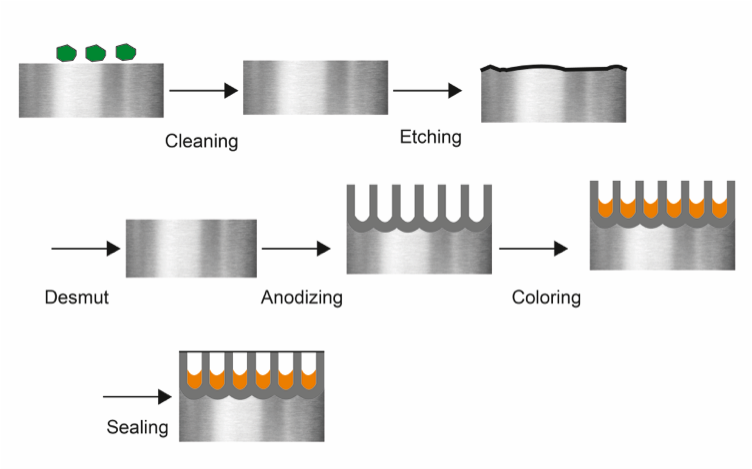
1、Surface Cleaning and Preparation: Before anodizing can commence, the metal must undergo meticulous cleaning.
Even microscopic impurities can compromise the quality of the oxide layer. Ammonium bifluoride acts as a potent
cleaning agent, stripping away oxides, scales, and contaminants from the metal's surface, leaving it pristine and
ready for transformation.
2、Dissolution of Aluminum Oxide: The most astonishing feat of ammonium bifluoride lies in its ability to dissolve the initial
layer of aluminum oxide that forms on the metal's surface. This is the key to achieving uniform anodized coatings. As the
oxide layer dissolves, it creates microscopic pores, the size and distribution of which can be controlled to achieve specific
properties, such as durability and coloration.
Precision Engineering with Ammonium Bifluoride
Ammonium bifluoride's unique chemical properties empower precision engineering in anodizing. The compound operates
as a selective etchant, targeting only the aluminum oxide while leaving the underlying metal untouched. This selective
dissolution process allows for:
1、Controlled Pore Formation: By adjusting the concentration and temperature of the ammonium bifluoride solution,
engineers can control the size and density of the pores within the oxide layer. This control is vital for achieving desired
surface characteristics.
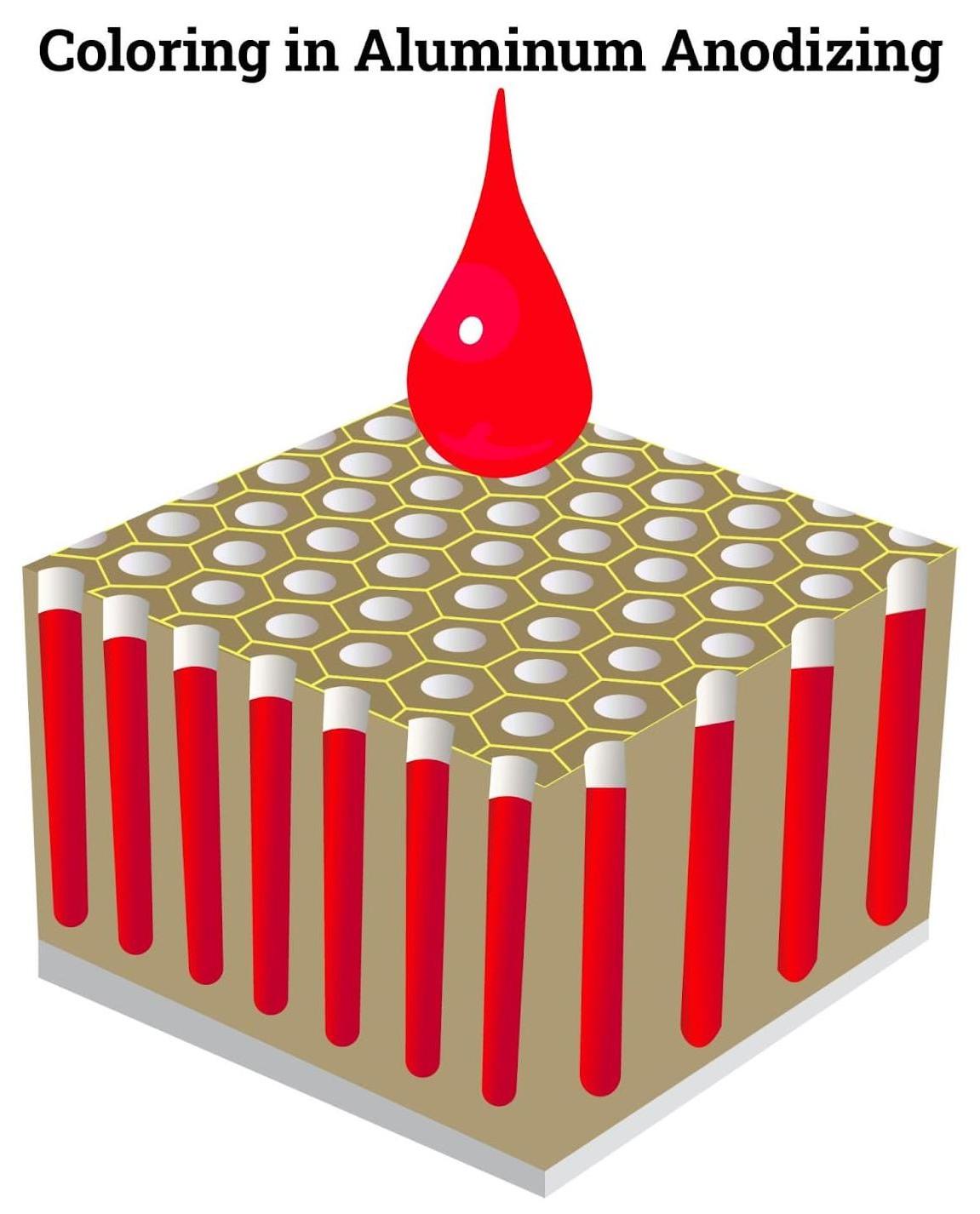
2、Color Customization: The porous nature of the anodized layer, coupled with ammonium bifluoride's influence,
allows for the absorption and retention of dyes or pigments. This opens the door to anodized components in a wide
spectrum of colors, making it not just functional but also aesthetically pleasing.
In the context of anodizing, Ammonium Bifluoride transforms metals into enduring works of art. It takes on the roles of
a diligent preparer, a selective etcher, and an alchemical catalyst to create anodized surfaces that are not only durable
but also visually captivating. This compound bridges the gap between artistry and functionality, enhancing the realms
of architecture, design, and engineering. Anodizing with Ammonium Bifluoride is not just science; it's an art form that
elevates metals to new heights of beauty and resilience.
Potassium Fluoride's Diverse Applications in Medicine and Pharmaceuticals
The Pharmaceutical Applications of Sodium Fluoride
Related Article
Discover why 70% hydrofluoric acid is preferred globally — balancing reactivity, safety, and cost-efficiency for glass, metal, and semiconductor industries.
Why International Buyers Prefer Purchasing Hydrofluoric Acid with 70% Concentration

FSSF Chemical leads you to discover the industrial uses of fluoroboric acid (HBF₄), including applications in electroplating, metal cleaning, catalysis, pharmaceuticals, and battery technology.
The Comprehensive Industrial Applications of Fluoroboric Acid (HBF4)