Potassium Fluoroborate's Crucial Role in Aluminum and Magnesium Refining
2023-12-14
Aluminum and magnesium, two versatile metals widely used in various industries, owe their purity and exceptional properties
to a remarkable refining agent – potassium fluoroborate. In this article, we'll delve into the fascinating world of metal refining
and explore how potassium fluoroborate plays a pivotal role in enhancing the quality of aluminum and magnesium.
Before we dive into the specifics of potassium fluoroborate, let's briefly understand the refining process for aluminum and
magnesium. Both metals are extracted from their ores through a series of intricate steps, including electrolysis and various
chemical treatments. However, these processes often leave impurities that can compromise the metals' quality and performance.
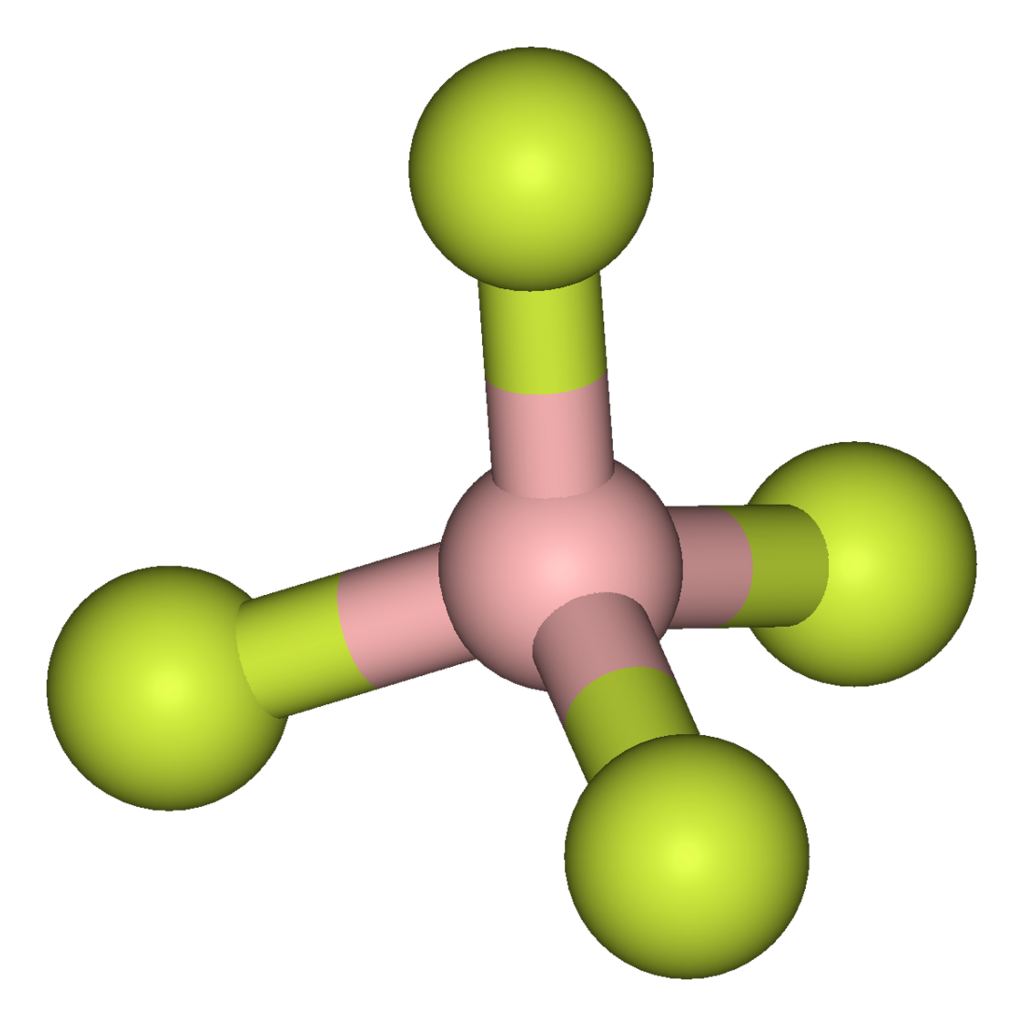
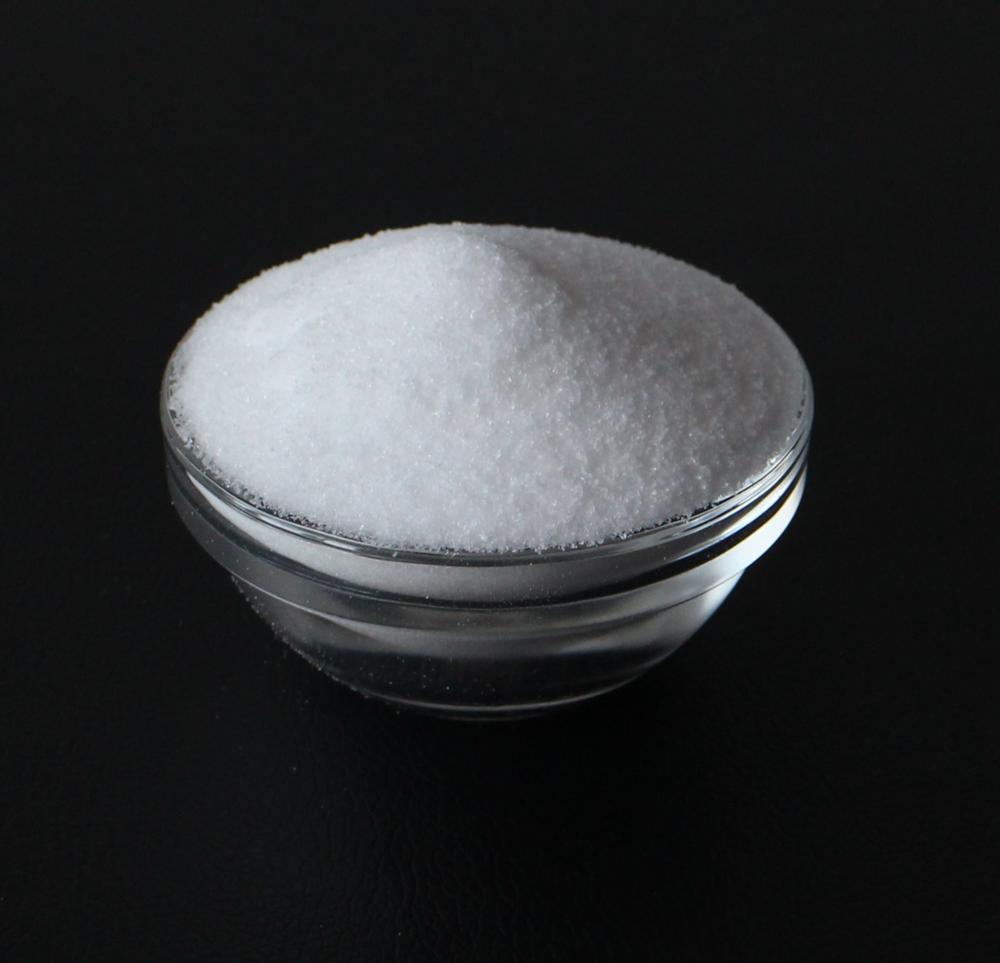
Potassium fluoroborate, a compound containing potassium, boron, and fluorine, emerges as a superhero in the refining narrative.
Its unique properties make it an ideal agent for purifying aluminum and magnesium.
1、Fluxing Agent:
Potassium fluoroborate acts as a fluxing agent during the refining process. Fluxing agents are substances that promote the fusion of
metals and facilitate the removal of impurities. In the case of aluminum and magnesium, potassium fluoroborate aids in the separation
of impurities from the molten metal, ensuring a cleaner end product.
2、Deoxidizing Power:
The presence of oxygen is a common impurity in metal production. Potassium fluoroborate excels as a deoxidizing agent, effectively
removing oxygen from the molten metal. This process is crucial for enhancing the metals' mechanical properties and preventing undesirable
reactions during subsequent manufacturing stages.
3、Reducing Impurities:
Metals like aluminum and magnesium often contain unwanted elements like silicon, iron, and copper. Potassium fluoroborate reacts with these
impurities, forming stable compounds that can be easily removed. This reduction in impurities contributes to the metals' improved conductivity,
corrosion resistance, and overall quality.
4、Temperature Regulation:
Maintaining precise temperatures during the refining process is vital. Potassium fluoroborate aids in temperature control by stabilizing the
molten metal, preventing fluctuations that could negatively impact the final product's integrity.
Applications in Aluminum Refining:
Aluminum, known for its lightweight and corrosion-resistant properties, is a staple in industries ranging from aerospace to packaging.
Potassium fluoroborate is extensively used in aluminum refining to ensure that the metal meets stringent quality standards.
- Alloy Production:
Potassium fluoroborate is a key player in the production of aluminum alloys. By precisely controlling impurities, it allows
manufacturers to tailor aluminum alloys with specific properties, such as increased strength, durability, and heat resistance.
- Electronics Industry:
High-purity aluminum is crucial for the electronics industry. Potassium fluoroborate contributes to the production
of ultrapure aluminum, which is essential for manufacturing electronic components like semiconductors and capacitors.
Applications in Magnesium Refining:
Magnesium, recognized for its low density and high strength-to-weight ratio, finds applications in automotive, aerospace, and
medical industries. Potassium fluoroborate plays a crucial role in refining magnesium to meet the demanding requirements of these applications.
- Aerospace Industry:
The aerospace industry demands magnesium with exceptional purity and strength. Potassium fluoroborate assists in achieving these standards,
ensuring that magnesium alloys used in aircraft components offer the required strength and reliability.

- Biomedical Applications:
In medical implants and devices, magnesium alloys are preferred due to their biocompatibility. Potassium fluoroborate ensures that magnesium used
in biomedical applications is free from impurities, making it suitable for implantable devices.
Innovation in the world of metal refining, epitomized by the use of potassium fluoroborate, is shaping the properties and applications of aluminum
and magnesium. As industries continue to advance, the demand for high-quality, precisely refined metals will only grow. Potassium fluoroborate's ability
to enhance the purity and performance of aluminum and magnesium underscores its significance in the intricate dance of metallurgy, pushing the boundaries
of what these remarkable metals can achieve in the modern world.
Fire-Resistant Wool: The Role of Potassium Fluorozirconate
Fluorosilicic Acid: A Catalyst for Sustainable Lead Refining Innovation
Related Article
Discover why 70% hydrofluoric acid is preferred globally — balancing reactivity, safety, and cost-efficiency for glass, metal, and semiconductor industries.
Why International Buyers Prefer Purchasing Hydrofluoric Acid with 70% Concentration

FSSF Chemical leads you to discover the industrial uses of fluoroboric acid (HBF₄), including applications in electroplating, metal cleaning, catalysis, pharmaceuticals, and battery technology.
The Comprehensive Industrial Applications of Fluoroboric Acid (HBF4)