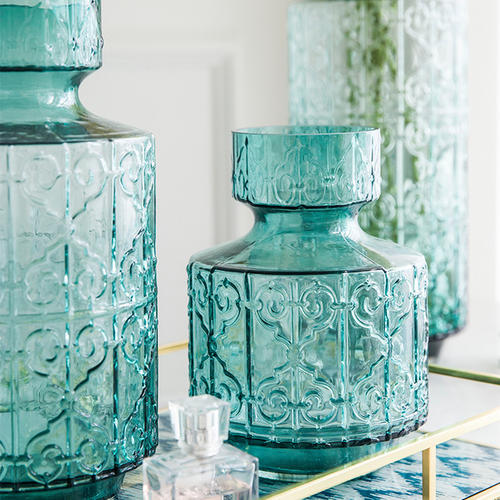
How is the pattern on the glass created?
2023-05-27
Glass, a translucent solid, primarily consists of quartz (Silicon Dioxide). Its exceptional feature lies in
its transparency, making it a versatile material used in the manufacturing of window panes, optical instruments,
and a wide array of chemical and household containers. Remarkably, glass exhibits resistance to a host of
corrosive substances, including hydrochloric acid, sulfuric acid, nitric acid, and even aqua regia, with only caustic soda
capable of causing minor surface erosion. Therefore, when the need arises to engrave intricate patterns on glass,
it becomes imperative to seek out a chemical agent with the capacity to etch or 'gnaw' into its surface.
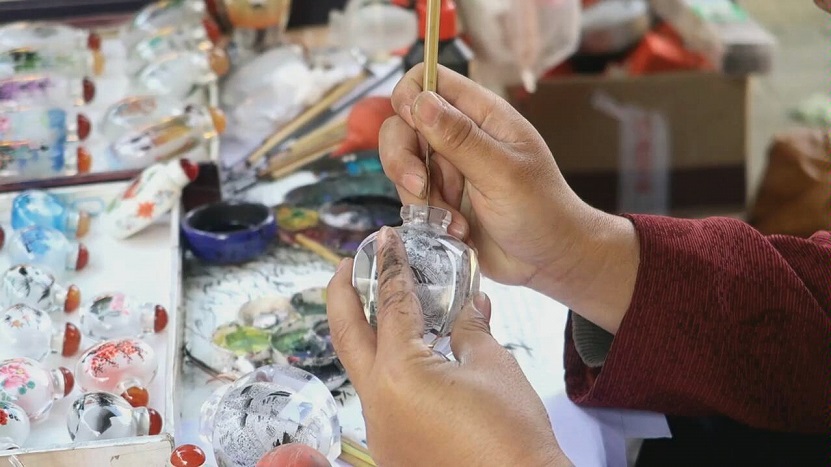
Hydrofluoric acid emerges as the ideal substance capable of etching glass, serving as a valuable ally for artisans
engaged in glass pattern engraving. The process begins with a meticulous application of a dense paraffin layer onto
the glass's surface. With this protective layer in place, artisans can deftly employ tools to etch intricate patterns into t
he paraffin, revealing the underlying glass. In the subsequent phase, a carefully measured quantity of hydrofluoric acid
is applied to the exposed glass surface. Upon contact, the hydrofluoric acid initiates a controlled 'etching' process,
gently removing a fine layer from the glass. The final step involves the removal of the paraffin layer, unveiling a mesmerizing
array of patterns adorning the glassware, a testament to the artistry of its creator.
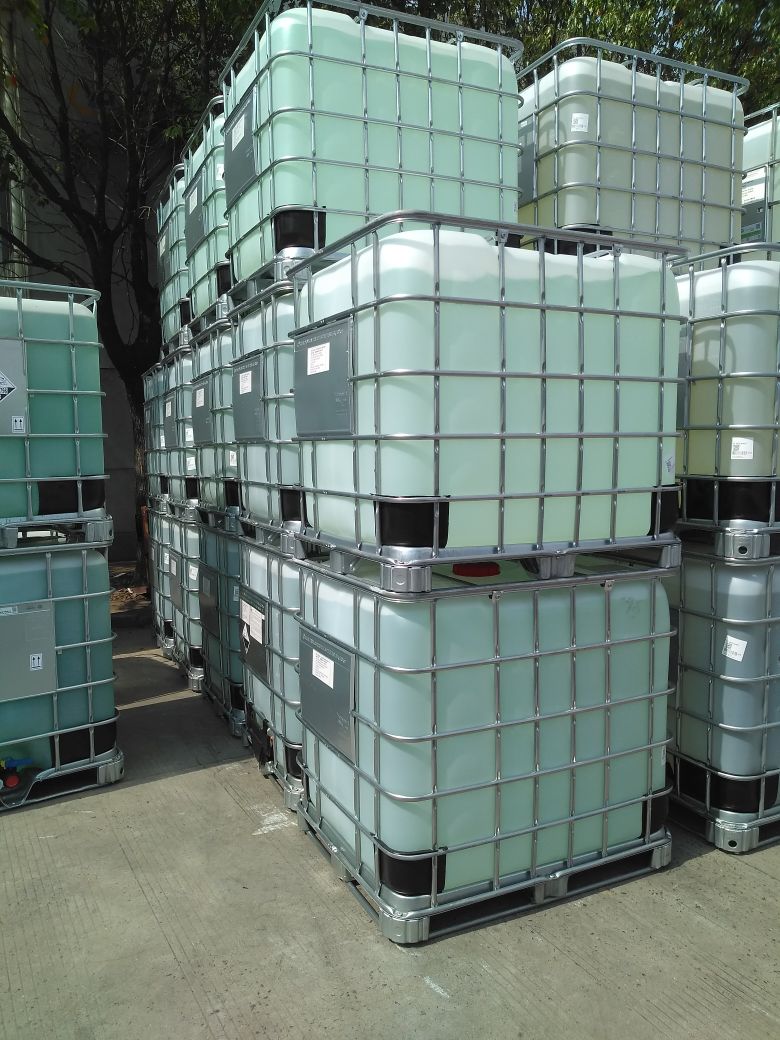
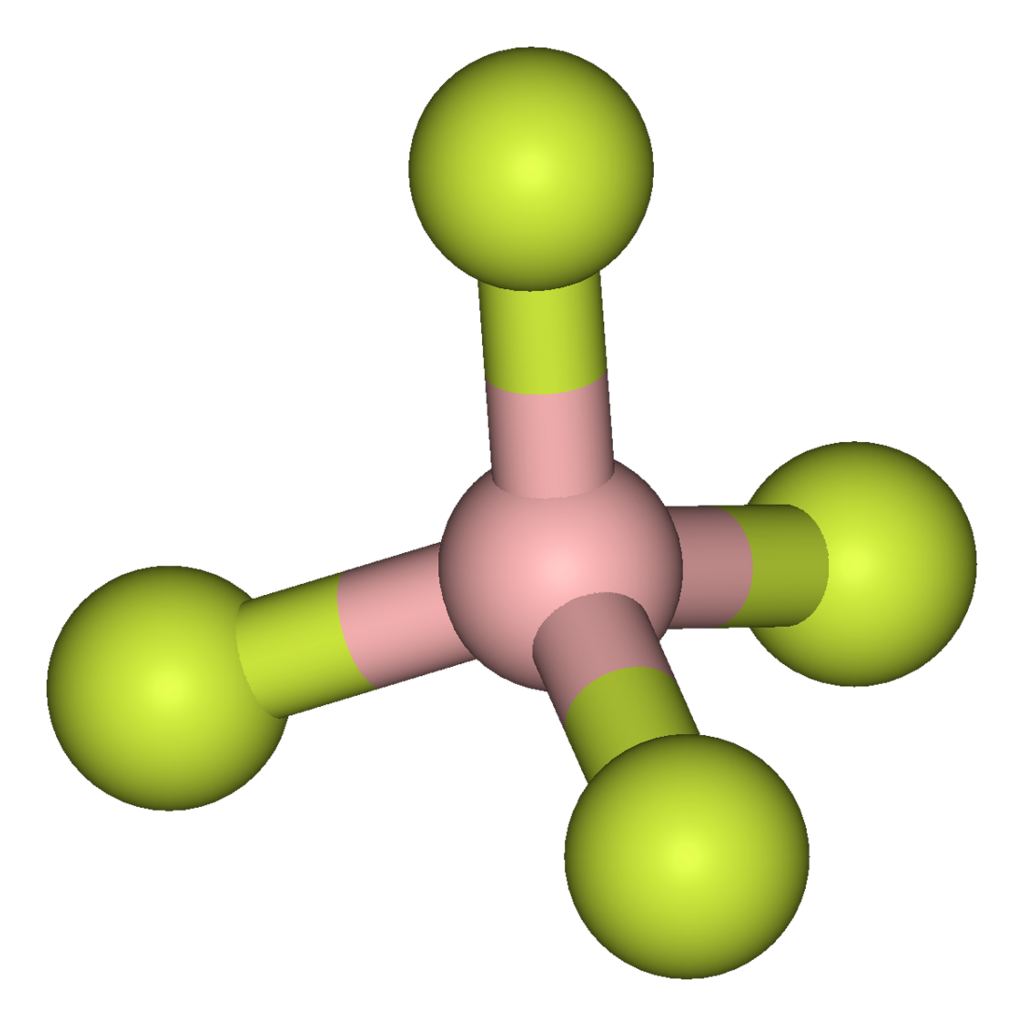
Hydrofluoric acid, often abbreviated as HF, is a water solution of hydrogen fluoride gas. This chemical substance is characterized
by its colorless to yellowish smoked appearance and possesses a distinctive pungent odor. Hydrofluoric acid stands out due to its
extreme corrosiveness, readily engaging in reactions with a wide spectrum of both metals and non-metals.
Notably, hydrofluoric acid exhibits an exceptional affinity for compounds containing silicon. This property is particularly significant
when it comes to its application in glass carving. Hydrofluoric acid solution is created by dissolving hydrogen fluoride gas in water.
What makes it indispensable for glass etching is its unique ability to interact with silica, which is the primary component of glass.
This distinctive trait sets hydrofluoric acid apart from other strong acids, as it can effectively 'etch' or carve glass, a task that other
acids cannot accomplish. A solution with a mass concentration of just 1.5% hydrofluoric acid can be employed for precision glass
carving purposes, making it an invaluable tool for artisans and craftsmen.
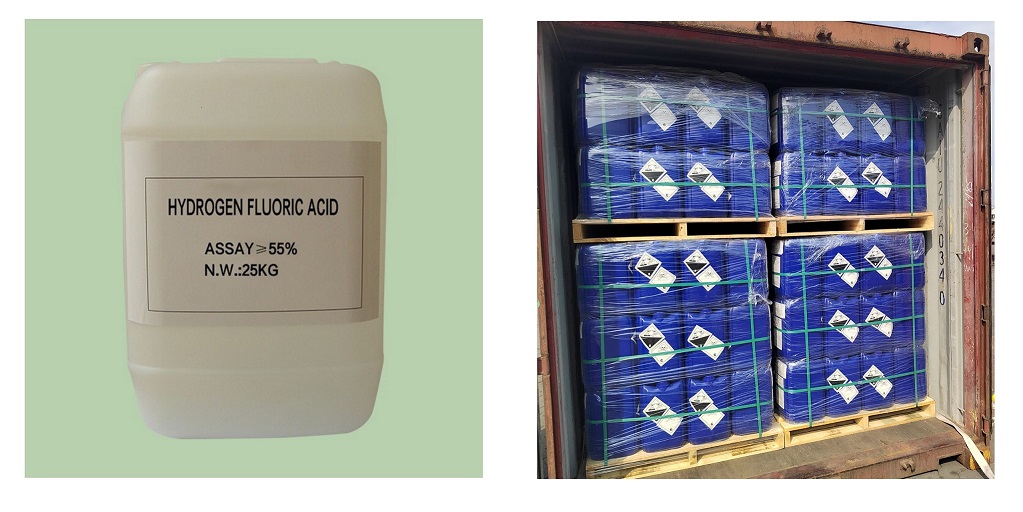
Hydrofluoric acid is a ubiquitous presence in various industrial sectors, playing a pivotal role in the creation of carbon-fluorine
industrial products, such as the refrigerants used in common appliances like refrigerators and air conditioners. Its unique capacity
to dissolve oxides makes it an invaluable tool in the refinement of aluminum and uranium, ensuring the high quality and purity of these metals.
Beyond these essential applications, hydrofluoric acid finds further utility in a diverse array of industrial processes. It aids in the
meticulous removal of residual sand from castings, promoting a clean and polished finish, while also facilitating precise
fermentation control. Additionally, it is integral to electropolishing techniques and serves as a powerful agent for cleaning
corroded semiconductor silicon wafers, a crucial step in electronics manufacturing.
In industrial refineries, hydrofluoric acid takes on a catalytic role, enabling the alkylation of isobutane and butane, a process central
to the production of valuable chemical compounds. Furthermore, it is deployed to eliminate oxygenated impurities from the surface
of stainless steel, a procedure commonly referred to as the "acid dip" method. This application ensures the longevity and resilience
of stainless steel components across various industries.
In essence, hydrofluoric acid's versatility and exceptional chemical properties make it an indispensable component in numerous
industrial processes. Its multifaceted contributions underscore its paramount significance in modern industrial practices.

Foshan Nanhai Shuangfu Chemicals Co., Ltd is a leading manufacturer specializing in the production of high-quality hydrofluoric acid
at competitive prices. Our dedicated team is committed to delivering not only exceptional products but also outstanding service, ensuring
timely and reliable product delivery.

Why Choose Ammonium Fluorosilicate in Brewing?
The Usage of Ammonium Bifluoride
Related Article
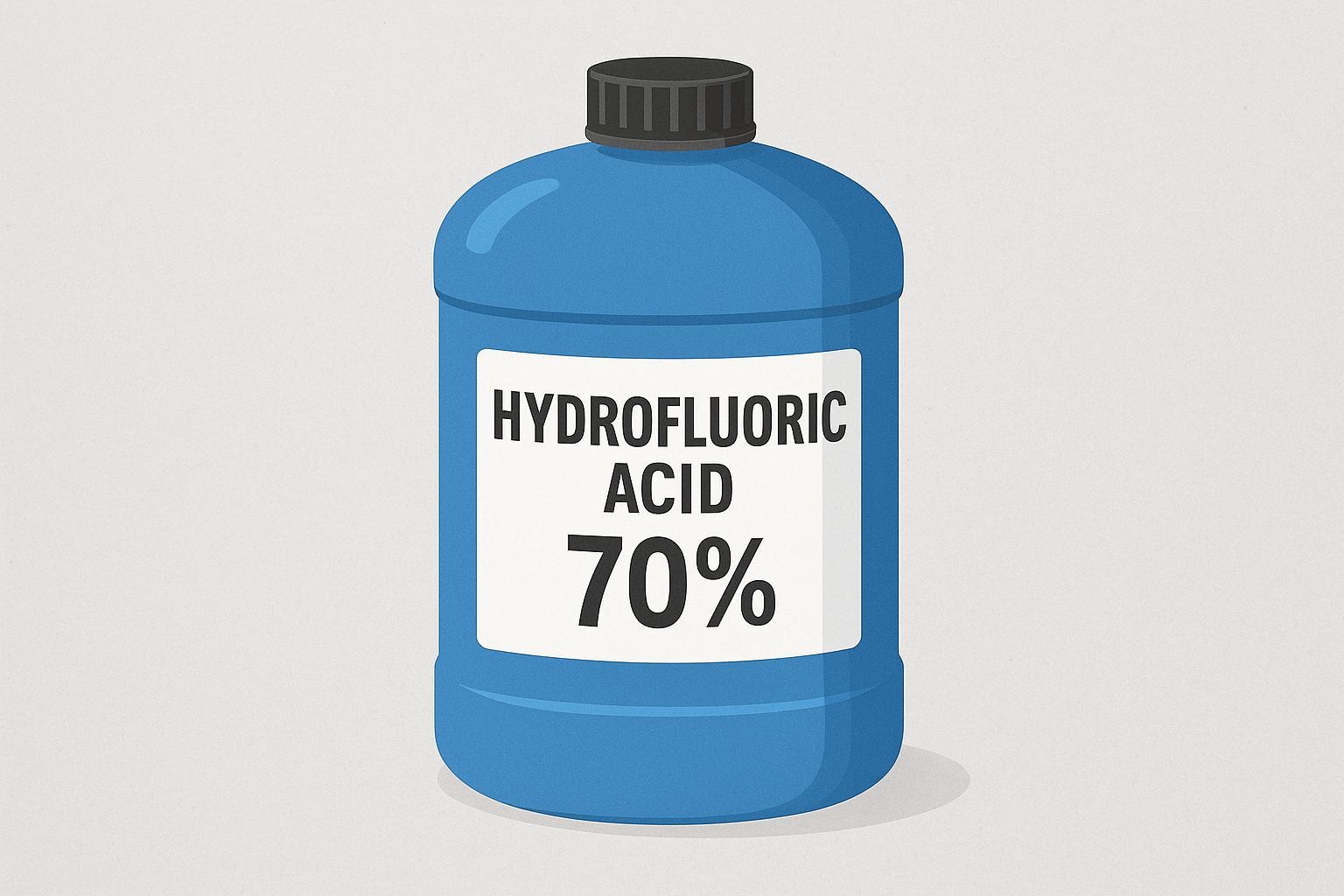
Discover why 70% hydrofluoric acid is preferred globally — balancing reactivity, safety, and cost-efficiency for glass, metal, and semiconductor industries.
Why International Buyers Prefer Purchasing Hydrofluoric Acid with 70% Concentration
FSSF Chemical leads you to discover the industrial uses of fluoroboric acid (HBF₄), including applications in electroplating, metal cleaning, catalysis, pharmaceuticals, and battery technology.
The Comprehensive Industrial Applications of Fluoroboric Acid (HBF4)