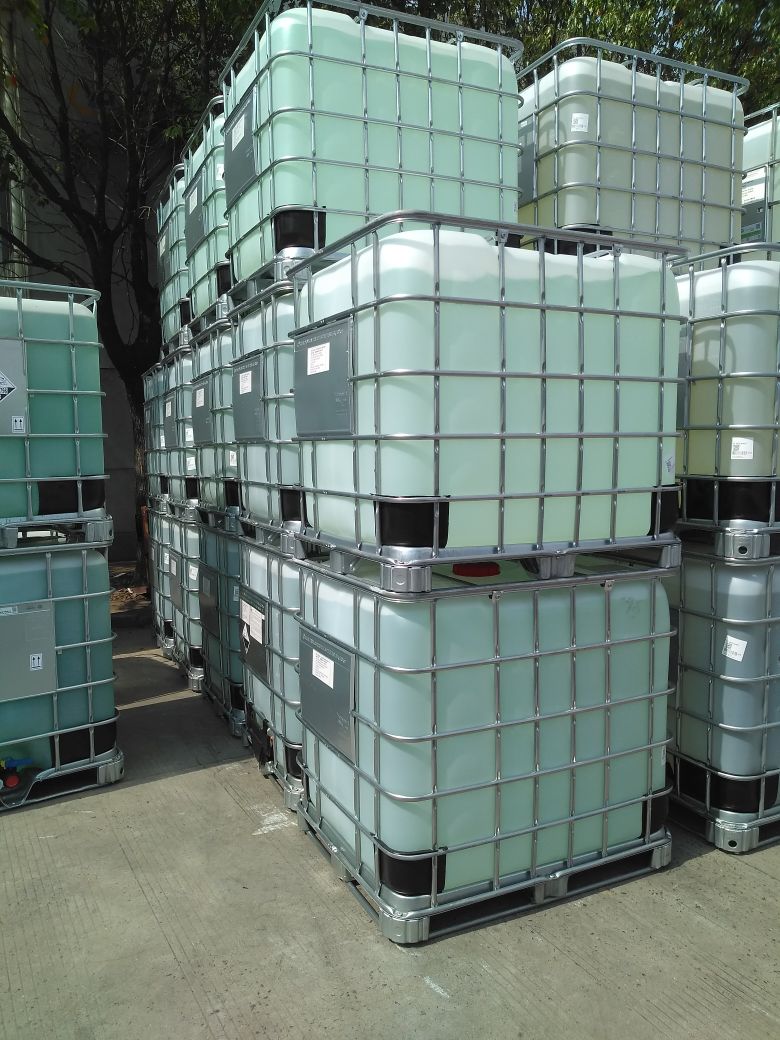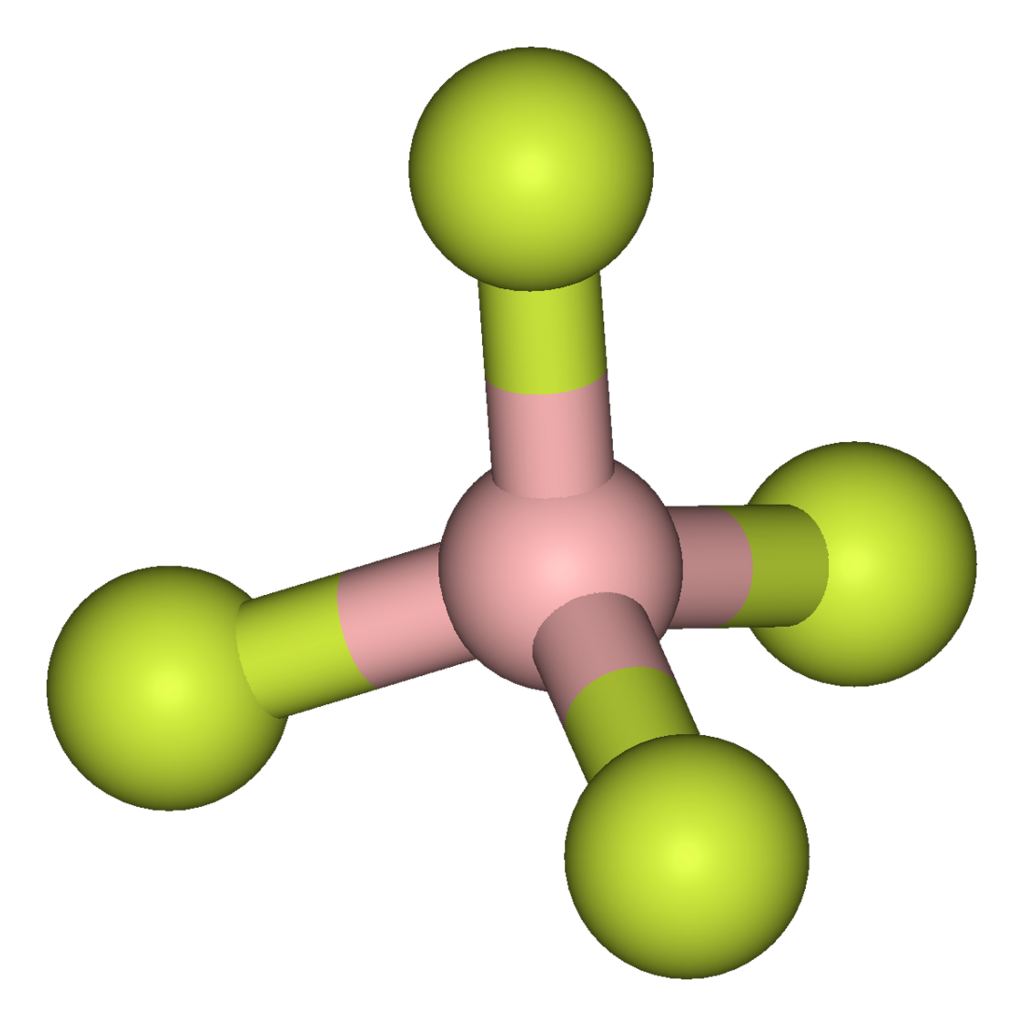
Hydrofluoric Acid: Manufacturing and Application in Refrigerants for Refrigerators and Cooling Devices
2024-02-18
Hydrofluoric acid (HF) plays a pivotal role in the realm of refrigeration technology, serving as a key component
in the production of refrigerants widely utilized in refrigerators and cooling devices. This article delves into
the manufacturing process of hydrofluoric acid and its subsequent application as a refrigerant, exploring the intricate chemistry
and technological advancements that make it an indispensable element in the cooling systems of everyday appliances.
Ⅰ. Hydrofluoric Acid Manufacturing:
Hydrofluoric acid is industrially produced through the reaction of fluorspar (calcium fluoride, CaF2) with sulfuric acid (H2SO4).
The chemical equation for this reaction is as follows:

The resulting hydrofluoric acid is then purified to meet the stringent requirements of various applications, including its use
as a refrigerant. The manufacturing process involves careful control of reaction conditions and purification steps to ensure the
desired concentration and purity of the final hydrofluoric acid product.
Ⅱ. Hydrofluoric Acid as a Refrigerant:
1. Basic Principles of Refrigeration:
Refrigeration is based on the principles of phase transition and heat absorption. Hydrofluoric acid, with its low boiling point and pressure,
is well-suited for the refrigeration cycle. The refrigeration cycle involves compression, condensation, expansion, and evaporation processes
to control temperature effectively.
2. Hydrofluoric Acid Refrigerants:
Hydrofluoric acid is a precursor to various hydrofluorocarbons (HFCs), a class of refrigerants widely used in the refrigeration and
air conditioning industry. Common hydrofluoric acid-derived refrigerants include R134a and R410a, known for their low environmental
impact compared to their predecessors.
3. Production of Hydrofluorocarbons (HFCs):
Hydrofluoric acid undergoes fluorination reactions to produce HFCs. For instance, the reaction of hydrofluoric acid with chlorofluorocarbons (CFCs) yields HFCs:

This process ensures the development of environmentally friendly refrigerants with reduced ozone-depleting potential.
Ⅲ. Application in Refrigerators and Cooling Devices:
1、Domestic Refrigerators:
Hydrofluoric acid-derived refrigerants are extensively used in domestic refrigerators, contributing to efficient cooling and temperature control.
The refrigeration cycle in these appliances relies on the properties of the chosen hydrofluoric acid-based refrigerant.

2、Industrial Cooling Systems:
Large-scale cooling systems in industries, including those used in food processing and chemical manufacturing,
utilize hydrofluoric acid-based refrigerants. These systems play a crucial role in maintaining optimal temperatures for various industrial processes.
3、Air Conditioning Units:
Hydrofluoric acid-derived refrigerants are prevalent in air conditioning units, ensuring effective heat exchange and cooling in both residential and commercial settings.
4、Transportation Refrigeration:
Refrigerated transportation, such as refrigerated trucks and containers, often employs hydrofluoric acid-based refrigerants to preserve the freshness of perishable goods during transit.
5、Medical and Laboratory Refrigeration:
Precision cooling is essential in medical and laboratory settings. Hydrofluoric acid-derived refrigerants are chosen for their reliability
and precise temperature control, critical in storing sensitive materials and medications.
Hydrofluoric acid, through its intricate manufacturing process and subsequent role in the production of environmentally friendly refrigerants,
has become a linchpin in the world of refrigeration technology. Its application in refrigerators, air conditioning units, industrial cooling systems,
and various other domains underscores its versatility and importance in maintaining controlled temperatures across diverse applications.
As technological advancements continue, the evolution of hydrofluoric acid-based refrigerants will likely contribute to more sustainable and
efficient cooling solutions in the future.
The Growing Role of Zinc Fluorosilicate in Textile Post-Washing Treatments
The Application of Magnesium Fluoride as Fire Retardant
Related Article
Discover why 70% hydrofluoric acid is preferred globally — balancing reactivity, safety, and cost-efficiency for glass, metal, and semiconductor industries.
Why International Buyers Prefer Purchasing Hydrofluoric Acid with 70% Concentration

FSSF Chemical leads you to discover the industrial uses of fluoroboric acid (HBF₄), including applications in electroplating, metal cleaning, catalysis, pharmaceuticals, and battery technology.
The Comprehensive Industrial Applications of Fluoroboric Acid (HBF4)