Fluoroboric Acid: Revolutionizing Oil Production Through Science and Sustainability
2023-09-28
In the fascinating world of oil exploration and production, science plays a vital role in enhancing productivity and
maintaining the longevity of oil wells. One such scientific marvel is fluoroboric acid, a powerful chemical agent
used extensively in the oil and gas industry. In this article, we will explore the multifaceted role of fluoroboric acid
in oilfields and how it contributes to the efficient extraction of black gold buried beneath the Earth's surface.

The Chemistry Behind Fluoroboric Acid
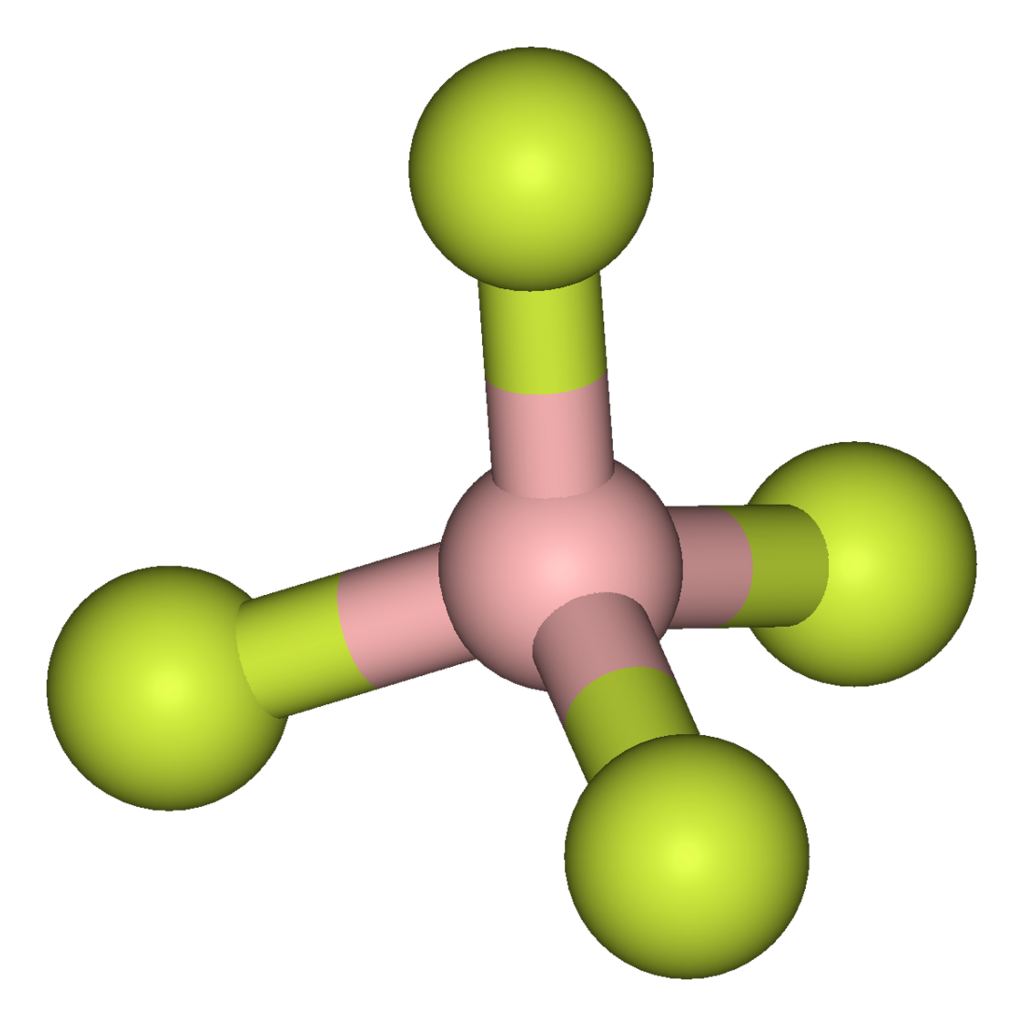
Fluoroboric acid, often denoted as HBF4, is a strong acid with unique properties. It is formed by mixing
hydrofluoric acid (HF) with boric acid (H3BO3). The resulting compound is a highly corrosive and reactive substance
known for its ability to dissolve various minerals and deposits commonly found in oil wells.
1: Removing Deposits and Scale
Oil wells are not just holes in the ground; they are complex systems where oil, water, and natural gas are extracted from
deep beneath the Earth's surface. Over time, various deposits and scales accumulate in these wells, reducing their efficiency
and potentially causing blockages.

1.1: Carbonate Scale Removal
One of the most common challenges in oil well management is dealing with carbonate scale. This scale forms from the
precipitation of calcium and magnesium carbonates present in the produced water as it interacts with the carbon dioxide
in the formation. The accumulation of carbonate scale in the wellbore and production equipment can drastically reduce oil
flow and well productivity.
Fluoroboric acid comes to the rescue by dissolving carbonate scale effectively. When injected into the well, it reacts with the
carbonate scale, converting it into soluble compounds, which are then easily removed during production operations. This process,
known as acidizing, rejuvenates the well, restoring its flow capacity and ultimately increasing oil production.
1.2: Silica and Sulphide Removal
In addition to carbonate scale, oil wells can also suffer from the buildup of silica and sulfide deposits. These materials can clog
the pores of the reservoir rock, leading to decreased oil flow. Fluoroboric acid, with its potent acid properties, can dissolve these
troublesome deposits, improving the permeability of the reservoir and enhancing oil recovery rates.
2: Preventing Scaling Issues
Scale prevention is as important as scale removal in the world of oil production. Fluoroboric acid plays a crucial role in mitigating
scaling issues, ensuring that oil wells continue to operate efficiently.
2.1: Water Treatment
Produced water often contains various dissolved salts, including calcium, magnesium, and iron. When this water is brought to the
surface and heated, these salts tend to precipitate and form solid deposits, known as water scale. Water scale can clog pipes,
pumps, and production equipment, leading to costly maintenance and production downtime.
Fluoroboric acid can be used as a scale inhibitor. It helps maintain the solubility of these salts, preventing them from precipitating
and forming scale. This application ensures the uninterrupted flow of produced water and reduces the risk of equipment damage.
2.2: Corrosion Protection
Corrosion is a significant concern in the oil and gas industry. It can weaken equipment, pipelines, and well casings, potentially
leading to leaks and environmental hazards. Fluoroboric acid, when appropriately formulated and applied, can act as a corrosion
inhibitor. It forms a protective film on metal surfaces, preventing the corrosive action of acids and other aggressive fluids present in the well.
3: Enhanced Oil Recovery (EOR)
Enhanced Oil Recovery techniques are employed to extract more oil from reservoirs, especially those with declining production rates.
Fluoroboric acid contributes to EOR efforts in several ways.
3.1: Matrix Acidizing
Matrix acidizing is a process that involves injecting fluoroboric acid into the reservoir rock to create channels and pathways for oil to flow
more easily. By dissolving minerals in the rock matrix, the acid increases permeability and stimulates the movement of oil towards the
wellbore. This technique can significantly boost production rates, especially in older wells that have experienced declining output.
3.2: Fracture Acidizing
In some reservoirs, hydraulic fracturing (fracking) is used to increase the flow of oil. Fluoroboric acid can be injected into fractures created
during fracking to further enhance their permeability. The acid dissolves minerals that may have blocked these fractures, ensuring that they
remain open and allowing oil to flow more freely.

4: Environmental Considerations and Safety
While fluoroboric acid offers numerous benefits in the oilfield, it's essential to highlight the importance of responsible use and environmental
stewardship. Fluoroboric acid is a potent chemical that must be handled with care to prevent harm to both workers and the environment.
4.1: Safety Precautions
Operators in the oil and gas industry must adhere to strict safety protocols when working with fluoroboric acid. Protective gear, proper
ventilation, and emergency response plans are essential to minimize the risks associated with its use.
4.2: Environmental Impact
Efforts should be made to contain and manage the acid to prevent accidental spills and contamination of soil and water. Spill containment
measures, such as berms and secondary containment systems, should be in place to safeguard the environment.
In the world of oilfield operations, fluoroboric acid emerges as a versatile and powerful tool. Its ability to dissolve deposits, prevent scaling
issues, and enhance oil recovery makes it a valuable asset in the quest for efficient oil production. However, its use demands responsibility
and caution to ensure the safety of workers and the protection of the environment. As technology and knowledge continue to evolve, we can
expect even more innovative applications of fluoroboric acid in the oil and gas industry, further advancing our ability to harness the Earth's hidden treasures.
The Wonder of Sodium Fluoride: How It Acts as a Setting Accelerator and Its Applications
Applications and Principles of Magnesium Fluorosilicate (MgSiF6·6H2O) in Floor Curing
Related Article
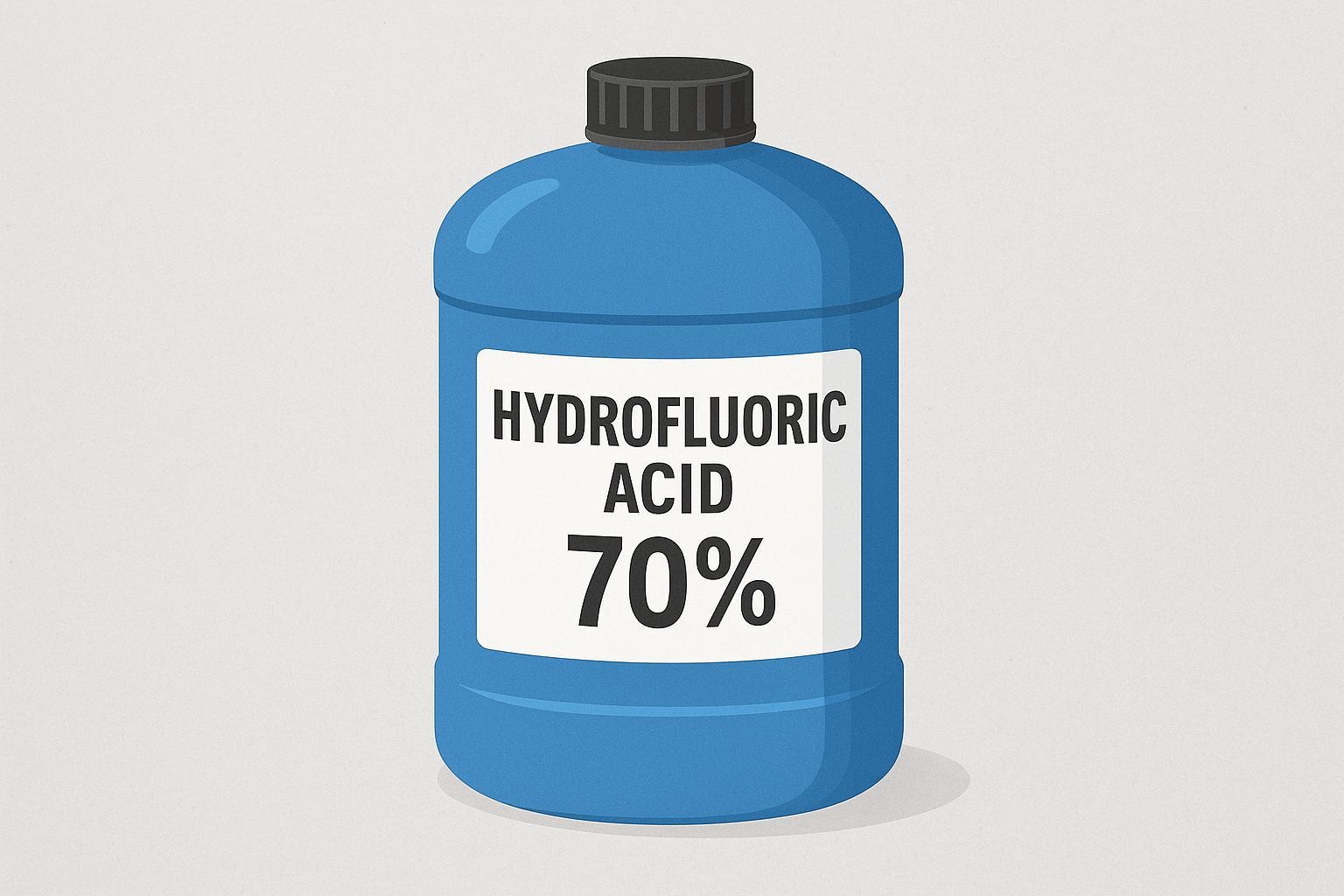
Discover why 70% hydrofluoric acid is preferred globally — balancing reactivity, safety, and cost-efficiency for glass, metal, and semiconductor industries.
Why International Buyers Prefer Purchasing Hydrofluoric Acid with 70% Concentration

FSSF Chemical leads you to discover the industrial uses of fluoroboric acid (HBF₄), including applications in electroplating, metal cleaning, catalysis, pharmaceuticals, and battery technology.
The Comprehensive Industrial Applications of Fluoroboric Acid (HBF4)