Ammonium Fluoroborate: Empowering Resin Coatings
2024-01-06
Resin coatings, as an advanced material in constant development and innovation, consist primarily of resin, solvent,
additives, and pigments, providing versatile solutions across various surfaces. With technological advancements,
resin coatings have expanded their applications beyond traditional fields like construction and automotive,
reaching into high-tech sectors such as electronics, aerospace, and energy. Ammonium tetrafluoroborate,
commonly known as ammonium fluoroborate, emerges as a prevalent inorganic flame retardant that significantly
enhances the flame-resistant properties when incorporated into resin coatings.

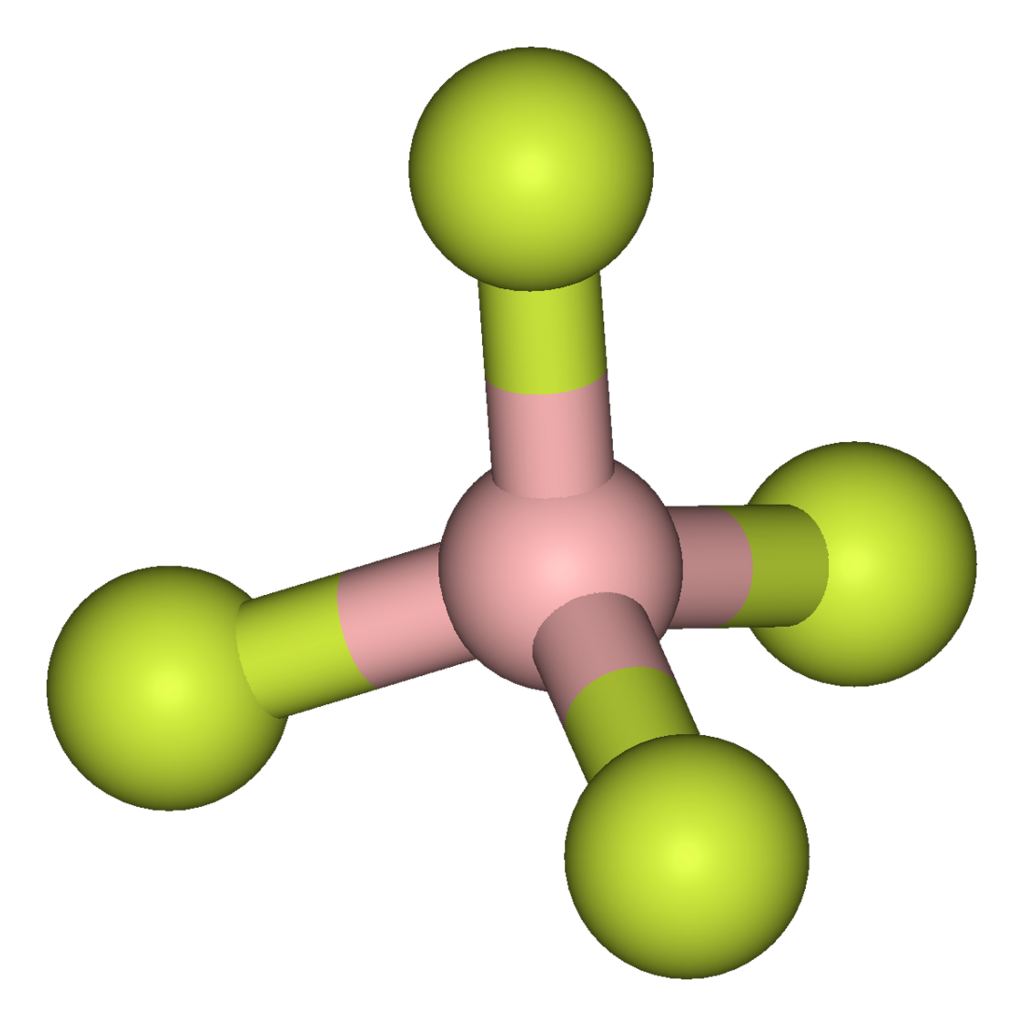
Chemically represented as NH4BF4, ammonoum fluoroborate is a white crystalline solid composed of ammonia and
tetrafluoroboric acid anions. Possessing good solubility in both water and certain organic solvents, this inorganic salt,
devoid of organic carbon structures, exhibits resistance to combustion under elevated temperatures. Additionally,
ammonium fluoroborate undergoes decomposition at high temperatures, releasing fluorine elements with effective
flame-retardant properties. By absorbing and decomposing heat, it reduces the heat released during material heating,
thereby further slowing down flame propagation.
In the catalytic principles of ammonium fluoroborate in resin coatings, its strong acidic nature is pivotal. The hydrogen
ions (H⁺) within act as acidic catalysts, facilitating esterification and aldol condensation reactions in the coating.
In esterification reactions, the acidic catalyst accelerates the reaction between alcohols and carboxylic acids,
forming ester structures, enhancing the coating's chemical resistance and hardness.

In reactions involving aldol condensation, such as the condensation of aldehydes and alcohols, the strong acidic catalyst
similarly accelerates the reaction, aiding in the coating's cross-linking and hardening.

These cross-linking reactions contribute to increased coating hardness and abrasion resistance, while the heightened cross-linking
degree enhances the coating's chemical resistance against corrosion and erosion.
The application domains of ammonium fluoroborate as a resin coating additive span various industries:
1、Paint and Coating Industry: ammonium fluoroborate is commonly utilized as a catalyst and additive in resin coatings to enhance
hardness, abrasion resistance, and chemical durability, making coatings suitable for diverse environmental conditions.
2、Fire Retardant Coatings: Its fluorine content endows it with flame retardant properties, making it widely applied in fire retardant
coatings to improve flame resistance and reduce material combustion risks.
3、Metal Coating Advancements: Within the domain of metal coating, ammonium fluoroborate acts as a catalyst, fostering the curing
and cross-linking processes of resin coatings applied to metal surfaces. This catalytic action not only improves corrosion resistance but
also enhances wear resistance, marking a significant stride in the evolution of robust and durable metal coatings.
4、Electronics and Electrical Equipment: Optimizing coating performance to make it more suitable for protecting and insulating
electronic components.
5、Architectural and Decorative Coatings: Elevating coating durability and stain resistance to address challenges in various indoor
and outdoor environments.
6、Automotive Coating: Enhancing coating performance for improved scratch resistance and weather resistance, commonly used for
surface protection and aesthetics in automotive manufacturing.

7、Aerospace Sector: Meeting high-performance coating requirements in aerospace environments, contributing to the enhancement
of resin coating performance.
In summary, ammonium fluoroborate plays a dual role as a flame retardant and catalyst in resin coatings, significantly enhancing their
performance and becoming an indispensable component in coating technology.
The Vital Contribution of Sodium Bifluoride in Electrolytic Processes
The Importance of Ammonium Fluorosilicate in Aluminum and Its Alloys Passivation
Related Article
Discover why 70% hydrofluoric acid is preferred globally — balancing reactivity, safety, and cost-efficiency for glass, metal, and semiconductor industries.
Why International Buyers Prefer Purchasing Hydrofluoric Acid with 70% Concentration

FSSF Chemical leads you to discover the industrial uses of fluoroboric acid (HBF₄), including applications in electroplating, metal cleaning, catalysis, pharmaceuticals, and battery technology.
The Comprehensive Industrial Applications of Fluoroboric Acid (HBF4)