How Hydrofluoric Acid Is Used in Glass Cleaning
2024-11-16
Hydrofluoric acid (HF) is a powerful, highly reactive acid known for its unique ability to dissolve glass and etch silica-based materials. This property makes it both
incredibly useful and potentially dangerous. Despite its risks, hydrofluoric acid plays an essential role in specific glass-cleaning applications, particularly in industries
where high-precision, contaminant-free surfaces are required. This article explores the fascinating ways HF is used in glass cleaning, detailing the procedures, precautions,
and real-world applications.

The Chemistry Behind Hydrofluoric Acid’s Effect on Glass
Hydrofluoric acid’s effectiveness in glass cleaning is due to its strong reactivity with silica (SiO2), the primary component in most glass types. Unlike other acids that
merely react with surface contaminants, HF chemically bonds with silica, creating soluble silicon fluoride compounds that can be easily washed away. This reaction not
only removes surface debris but can also remove thin layers of glass, achieving a higher level of purity and smoothness on the surface.
In chemical terms, the reaction is:

This reaction demonstrates HF’s ability to break down glass at a molecular level, making it uniquely suited for applications where the utmost cleanliness is essential.
Why Use Hydrofluoric Acid for Glass Cleaning?
Certain industries depend on ultra-clean glass surfaces, as any microscopic residue can impact functionality. Some key industries include:
● Semiconductor Manufacturing: High-purity glass is essential in semiconductor production to avoid contamination, which can impair microcircuit performance.
HF’s unique properties enable it to clean surfaces to the degree needed for such sensitive applications.
● Optics and Photonics: Glass lenses and optical components need to be contaminant-free for precise light transmission, as even minimal impurities can distort
optical signals in scientific instruments.
● Laboratory Glassware: In analytical chemistry, residue-free glassware is crucial for accurate experiments, especially in trace analysis. HF helps achieve the high
purity required for consistent and reproducible results.
The Process of Glass Cleaning with Hydrofluoric Acid
1、Preparation: Initially, glass is pre-washed with a neutral detergent to remove general contaminants. This is followed by rinsing with deionized water to ensure no
residues interfere with HF’s action. Proper preparation is critical to achieve a consistent, clean finish.
2、Hydrofluoric Acid Application: A diluted HF solution (typically 1-5%) is applied to the glass surface. HF works quickly, and the solution is left on the glass briefly—
usually just a few seconds—to avoid excessive etching. This controlled contact time ensures the surface is cleaned effectively without damaging the glass.

3、Rinsing and Neutralization: After the HF solution dissolves surface contaminants, the glass is immediately rinsed with deionized water, which removes both the acid
and dissolved silica. In some cases, a neutralizing agent like sodium bicarbonate is used to eliminate any remaining HF traces, ensuring safety for further handling.
4、Drying and Final Inspection: The cleaned glass is dried in a cleanroom or controlled environment to prevent airborne contaminants from adhering to the surface. A final
inspection confirms that the surface meets the desired cleanliness and smoothness standards. If necessary, any residual impurities are re-treated for maximum purity.
Safety Precautions When Using Hydrofluoric Acid
Given hydrofluoric acid’s highly toxic and corrosive nature, strict safety measures are required in any facility handling it. HF is one of the few acids that can penetrate skin and
react with calcium in the body, posing risks of severe chemical burns and systemic toxicity. To ensure safe handling:
● Personal Protective Equipment (PPE): Workers use acid-resistant gloves, goggles, face shields, and full-body protective clothing.
● Ventilation: Facilities must have fume hoods and proper ventilation, as HF vapors can be harmful if inhaled.
● Antidote Access: Calcium gluconate gel, an antidote for HF exposure, is kept on hand and applied immediately if skin contact occurs, helping to neutralize the acid.
Proper training and emergency procedures are crucial to safely manage HF in industrial applications.
Real-World Applications of HF in Glass Cleaning
1、High-Tech Manufacturing: Companies that produce delicate glass components, such as LCD screens and camera lenses, rely on HF to remove microscopic
contaminants without leaving scratches or residues.
2、Semiconductor Industry: HF is essential in semiconductor manufacturing, where silicon wafers are cleaned and prepared for microcircuit fabrication. Even microscopic
particles can interfere with circuitry, so HF’s thorough cleaning properties are indispensable.
3、Scientific Research and Laboratories: Laboratory-grade glassware cleaned with HF is essential in analytical and research labs to prevent cross-contamination and enable
high-precision chemical analysis. HF ensures glassware is free of residues, enhancing experiment accuracy.
The use of hydrofluoric acid in glass cleaning highlights the balance between harnessing a powerful tool and maintaining stringent safety practices. While its applications in glass
cleaning offer unmatched effectiveness for high-precision industries, handling it requires expertise and caution. As technology advances, researchers continue to explore safer,
alternative methods, but for now, HF remains irreplaceable in applications where extreme cleanliness and precision are critical.
The Application of Ammonium Fluorosilicate as a Chemical Polishing Agent in Industry
How Fluotitanic Acid Enhances Passivation in Stainless Steel and Aluminum Alloys for Industrial Corrosion Resistance
Related Article
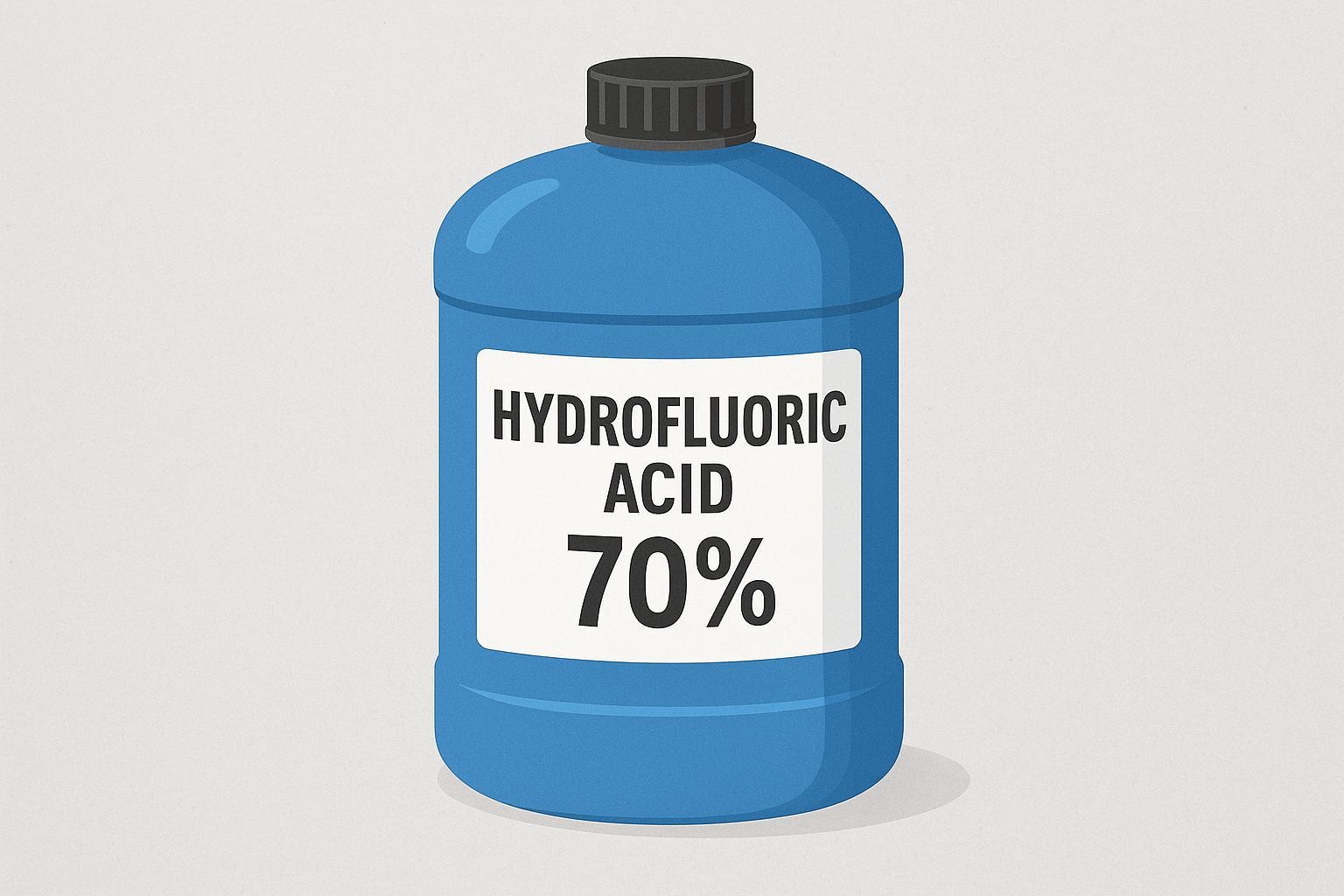
Discover why 70% hydrofluoric acid is preferred globally — balancing reactivity, safety, and cost-efficiency for glass, metal, and semiconductor industries.
Why International Buyers Prefer Purchasing Hydrofluoric Acid with 70% Concentration
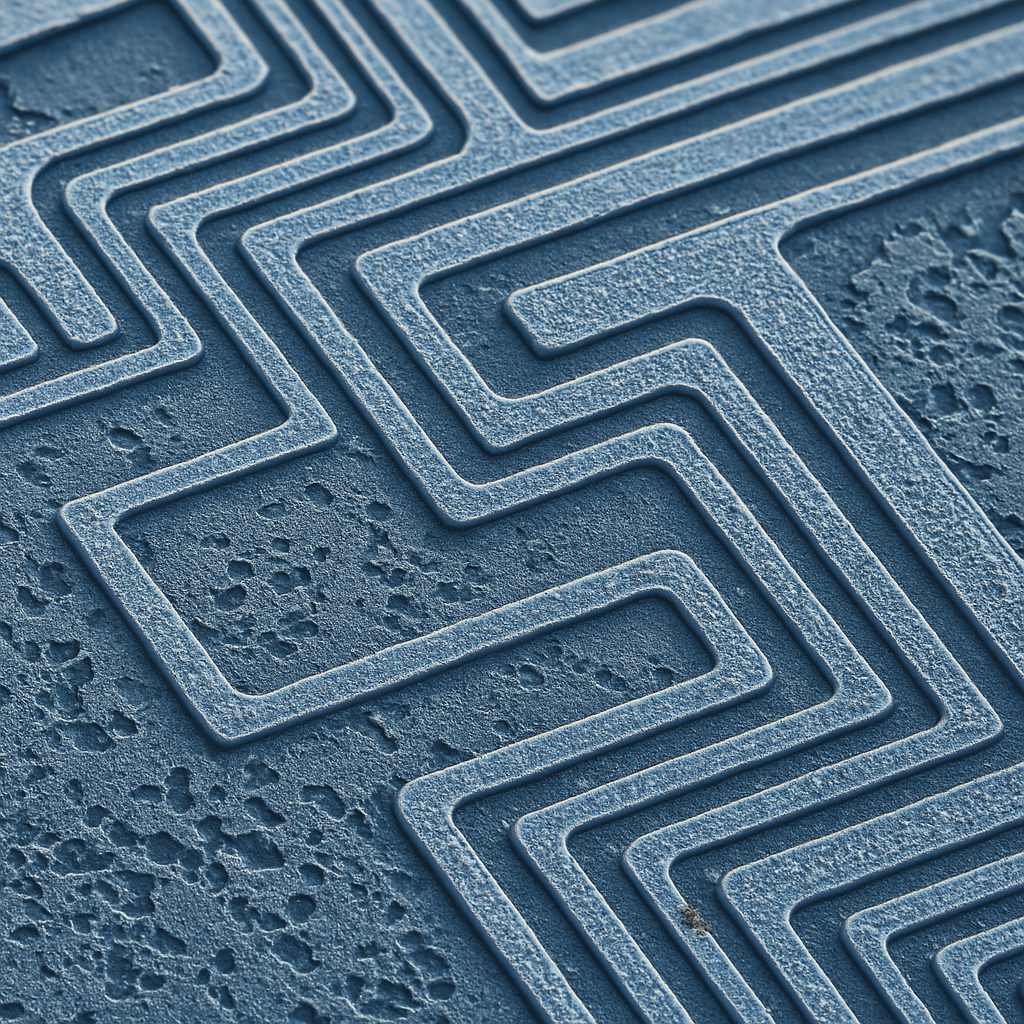
FSSF Chemical leads you to discover the industrial uses of fluoroboric acid (HBF₄), including applications in electroplating, metal cleaning, catalysis, pharmaceuticals, and battery technology.
The Comprehensive Industrial Applications of Fluoroboric Acid (HBF4)