The Comprehensive Industrial Applications of Fluoroboric Acid (HBF4)
2025-07-30
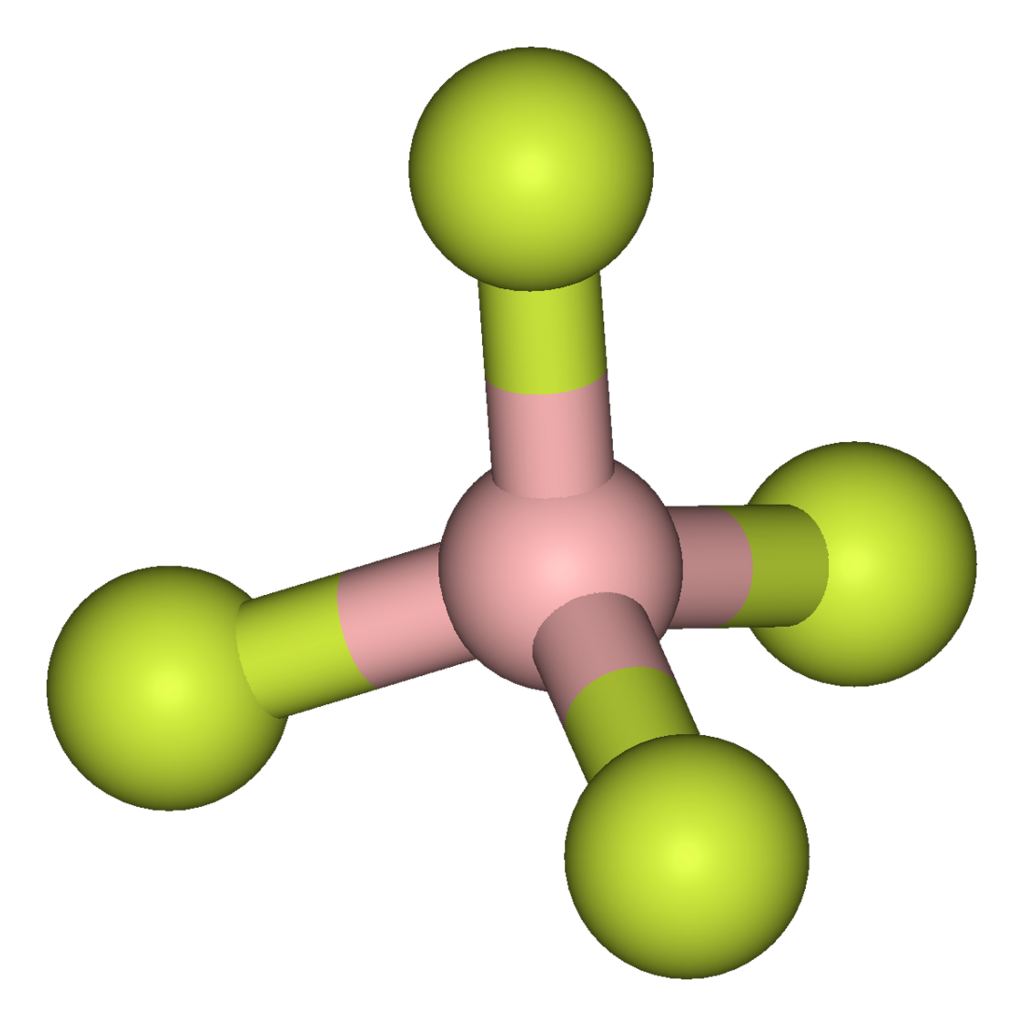
Fluoroboric acid (HBF4) is an inorganic compound that consists of a protonated hydrogen ion (H+) and the tetrafluoroborate anion (BF4-). This highly corrosive,
colorless liquid is widely used across multiple industries due to its strong acidity, unique chemical reactivity, and compatibility with various metal ions. In this article,
we explore the comprehensive applications of fluoroboric acid in industrial processes, covering its use in electroplating, metal treatment, catalyst production, cleaning
agents, and pharmaceutical synthesis.
1、Electroplating and Surface Finishing
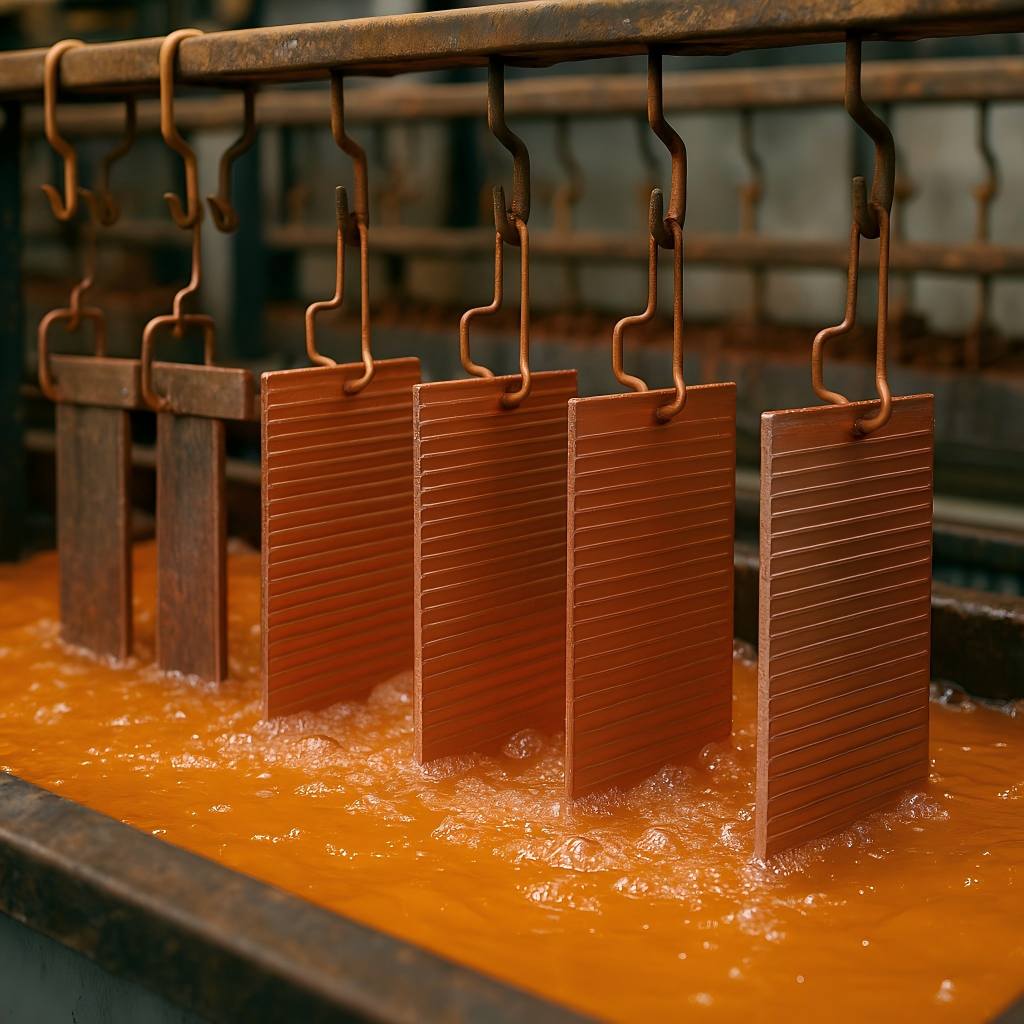
One of the most important applications of fluoroboric acid lies in the electroplating industry. It serves as a source of the tetrafluoroborate ion, which is commonly used in
plating baths for metals such as tin, lead, copper, and zinc.
● Tin and Tin-Lead Electroplating: Fluoroboric acid is a major component in tin and tin-lead plating baths. It offers excellent solubility for metal fluoroborates (like Sn(BF4)2),
which results in stable and highly conductive solutions. The resulting coatings are smooth, ductile, and provide effective corrosion resistance, making them ideal for electronic
components and printed circuit boards.
● Bright Copper Plating: Fluoroboric acid is used in copper fluoroborate baths for bright copper deposition. These baths allow high current density operation and provide
uniform and adherent coatings. The absence of sulfate ions in these systems also reduces internal stress in the deposit.
● Zinc Fluoroborate Plating: In certain applications, zinc fluoroborate solutions made with HBF4 are preferred over zinc sulfate or chloride baths, especially when high-speed
plating is required.
2、Metal Cleaning and Pickling
Fluoroboric acid is used as a metal cleaner and pickling agent to remove oxides and scale from the surfaces of various metals such as aluminum, brass, copper, and steel.
● Pre-Treatment of Metal Surfaces: Before electroplating or painting, metal surfaces need to be free of rust and contaminants. Fluoroboric acid acts as an effective cleaning
agent that dissolves oxide films and exposes a fresh metallic surface for further treatment.
● Aluminum and Brass Cleaning: It is particularly effective in cleaning aluminum and its alloys, where traditional acids like hydrochloric or sulfuric acid might cause undesirable
surface reactions. The fluoroborate ion forms stable complexes with aluminum, resulting in controlled etching and minimal hydrogen embrittlement.
3、Catalyst Manufacturing
In the chemical industry, fluoroboric acid plays a crucial role as a reagent or precursor in the production of metal tetrafluoroborates, which are used as Lewis acid catalysts in
various organic syntheses.
● Friedel-Crafts Alkylation and Acylation: Some BF4- salts act as strong Lewis acids and are used to catalyze alkylation and acylation reactions in the pharmaceutical and
fragrance industries.
● Polymerization Catalysts: Fluoroboric acid-derived compounds can also be used in the polymer industry as initiators or catalysts for cationic polymerization of monomers
such as isobutylene and styrene, aiding in the manufacture of synthetic rubbers and resins.
4、Pharmaceutical and Fine Chemical Synthesis
In pharmaceuticals, fluoroboric acid is sometimes used as a fluorinating agent or as a counterion in the formation of fluoroborate salts of active pharmaceutical ingredients (APIs).
● Salt Formation: BF4- salts are often preferred in drug synthesis when a non-coordinating anion is needed. These salts improve the solubility and stability of certain drug molecules.
● Intermediates Production: HBF4 may also be used to introduce the tetrafluoroborate group into intermediates during multi-step synthesis processes in medicinal chemistry.
5、Etching and Chemical Milling
Due to its ability to dissolve metal oxides and react with silicates, fluoroboric acid is employed in etching processes in the electronics and glass industries.
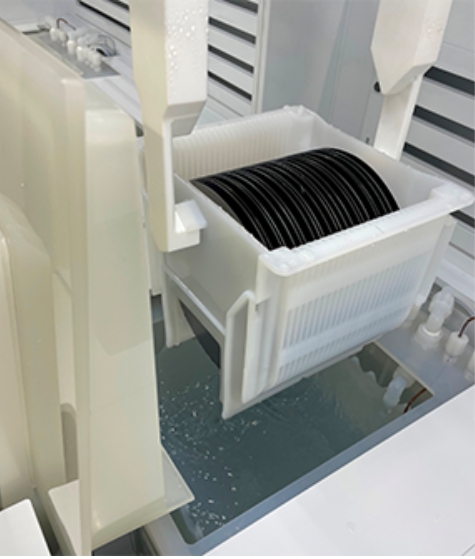
● Etching of Semiconductor Wafers: In semiconductor fabrication, HBF4 can be used in combination with other acids to etch metal or dielectric layers precisely. Its use is favored
when fluoride chemistry is needed without introducing free fluoride ions that might cause contamination.
● Glass Surface Modification: Fluoroboric acid is also used for controlled etching of glass surfaces, particularly in decorative glass finishing and specialty glass fabrication.

6、Battery and Energy Applications
Emerging research has also explored the use of fluoroboric acid in electrolyte formulations for batteries and supercapacitors.
● Lithium Battery Electrolytes: The tetrafluoroborate ion is commonly found in lithium salts such as LiBF4, which is used as a supporting electrolyte in lithium-ion batteries.
Though HBF4 itself is not used directly, it serves as a precursor in the synthesis of these salts.
● Ionic Liquids: Fluoroborate-based ionic liquids, derived from HBF4, are investigated for use as advanced electrolytes in electrochemical energy storage devices due to their
wide electrochemical stability windows and thermal stability.
7、Safety and Handling Considerations
While fluoroboric acid has valuable industrial uses, it is also a highly corrosive and toxic chemical. It can release hydrogen fluoride (HF) under certain conditions, especially
when heated or exposed to moisture.
● Protective Equipment: Workers must wear appropriate personal protective equipment (PPE), including acid-resistant gloves and goggles, when handling HBF4.
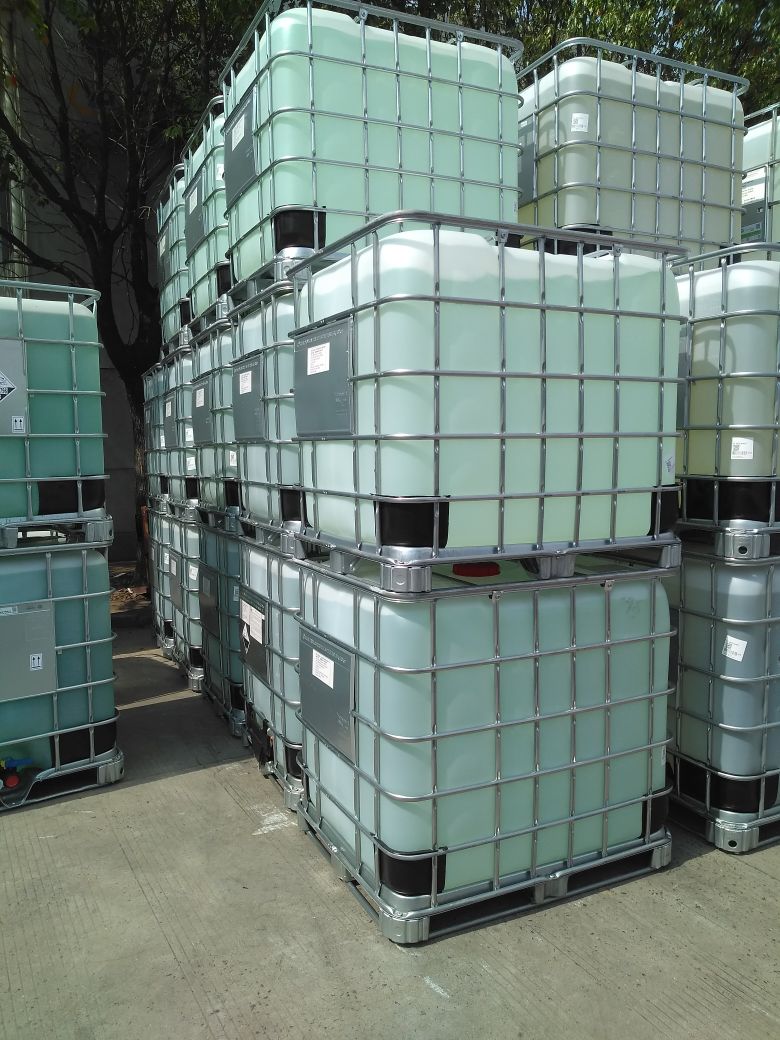
● Storage: It should be stored in tightly sealed containers made of fluoropolymer-lined or compatible plastic materials to prevent corrosion and degradation.
● Waste Treatment: Waste streams containing fluoroboric acid need to be neutralized and treated according to local environmental regulations, as uncontrolled release poses
environmental hazards.
Fluoroboric acid (HBF4) stands out as a highly versatile and functional compound in modern industrial chemistry. Its ability to deliver stable, conductive, and efficient solutions
makes it indispensable in electroplating and metal treatment, while its role in catalyst synthesis, etching, and pharmaceutical manufacturing reflects its deep integration into the
global value chain. Despite its corrosive nature, when handled properly, HBF4 enables manufacturers to meet high standards of product performance, efficiency, and innovation.
As industries continue to demand high-performance materials and precision chemical processing, the role of fluoroboric acid and its derivatives is expected to grow, especially in
green energy and advanced materials sectors.
At FSSF-Chemical, we supply high-quality fluoroboric acid and its derivatives for electroplating, catalysis, and precision chemical manufacturing. Contact our team today for product
specifications, MSDS, and expert support.
Why International Buyers Prefer Purchasing Hydrofluoric Acid with 70% Concentration
The Application and Optimization of Fluorosilicic Acid in Aluminum Electrolysis Production
Related Article
Discover why 70% hydrofluoric acid is preferred globally — balancing reactivity, safety, and cost-efficiency for glass, metal, and semiconductor industries.
Why International Buyers Prefer Purchasing Hydrofluoric Acid with 70% Concentration
Fluorosilicic acid (H2SiF6), a highly reactive inorganic compound, plays a pivotal role in modern aluminum electrolysis by optimizing electrolyte performance
and enhancing production efficiency.
and enhancing production efficiency.
The Application and Optimization of Fluorosilicic Acid in Aluminum Electrolysis Production